








Introduction:Are you new to coffee and feeling overwhelmed by the wide variety of coffee beans available? This article will delve into the optimal drinking window of specialty coffee beans, their degassing characteristics after roasting, and how to choose the beans that suit your taste. We also specially recommend representative beans from seven major producing regions in Africa, Asia, and Latin America to help beginners establish a complete flavor profile of different origins and find their own perfect cup of coffee.
Coffee, along with tea and cocoa, is one of the world’s three major beverages, and its unique flavors and cultural charm continue to attract newcomers to the world of coffee tasting. Many people who are just getting into coffee often face a common question: how to choose the one that best suits their palate among so many types of coffee beans? This article will guide you through understanding the characteristics of specialty coffee beans, mastering the best time to enjoy them, and recommending diverse regional flavors, so that even beginners can easily develop their own coffee preferences.
Optimal Drinking Window and Degassing Characteristics of Specialty Coffee Beans
Many beginners often mistakenly think that the storage method for coffee beans is similar to that of instant coffee, allowing them to be kept for up to a year. In reality, specialty coffee beans undergo a series of complex chemical and physical reactions after roasting, among which the “degassing phase” is particularly crucial. According to roasting experience, under non-saturated conditions, every kilogram of coffee beans releases approximately 6 to 10 liters of carbon dioxide, accounting for about 1% to 1.2% of the total bean weight, with around 35% of the gas being released within the first three days after roasting. Therefore, freshly roasted coffee beans are not suitable for immediate brewing.
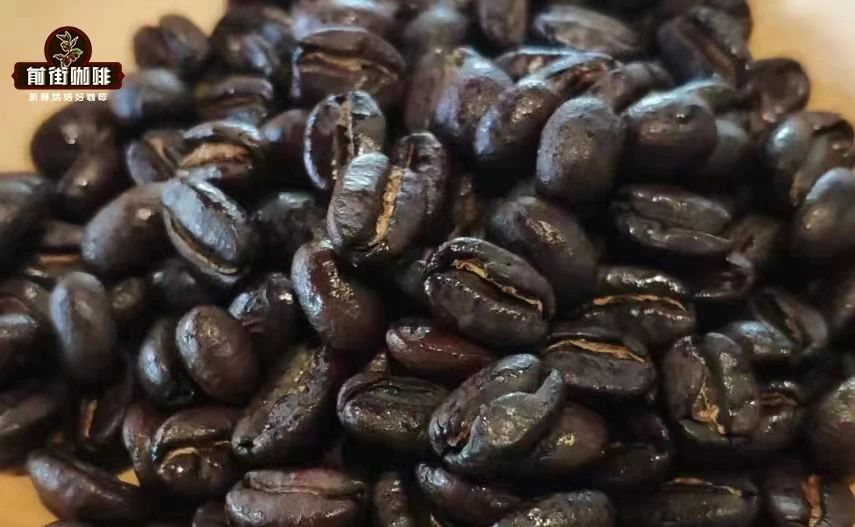
In the first few weeks after roasting, freshly roasted coffee beans exhibit the most vibrant flavor expression, typically reaching their flavor peak around one week post-roasting. During this period, the acidity is brighter, sweetness gradually increases, and astringency significantly decreases. However, as time goes on, the aroma gradually fades, usually within15 to 30 daysafter roasting, which is considered the optimal drinking window. If stored properly, the flavors of some coffee beans can last up to around 45 days. It’s important to note that if the surface of the coffee beans shows obvious oiliness—especially for medium to dark or dark roasted beans—it may have entered the flavor decline phase. If it is accompanied by woody or flat flavors, it is recommended to avoid consuming them.

Key Factors in Choosing Coffee Beans: Origin and Roast Date
When selecting coffee beans, information about the origin is crucial. Many retailers may only indicate the country name without providing specific information about the producing region or farm. Such broadly sourced beans often struggle to guarantee consistent flavor and quality. Truly high-quality specialty coffee beans can usually be traced back to a specific region, and even to traceable farms. In addition, consumers are advised to pay special attention to the roast date on the packaging, rather than just the expiration date. Generally speaking, freshly roasted beans in their optimal state can showcase the fullest aroma and complexity. It’s recommended to consume them within a month of purchase to enjoy the best tasting experience.
At the same time, it’s also important to consider the roast level of the coffee beans. Currently, the majority of specialty coffee on the market is medium-light to medium-dark roasted, accounting for over 80%. This roast level helps retain the beans’ original fruity acidity, floral notes, and fruity tones, but it is relatively more delicate, with flavor loss occurring more quickly over time. Dark roasted beans may have slightly higher flavor stability, but overly heavy roasting often masks the beans’ inherent regional characteristics, and they have an even shorter optimal drinking window, requiring careful selection.
Seven Regional Everyday Beans: Quickly Build Your Flavor Knowledge of Origins
To address the common issue faced by beginners of “not knowing where to start,” we have carefully selected coffee beans from seven representative producing regions across three continents to help you gradually explore the mysteries of different flavors. These regional everyday beans respectively showcase the fruity and floral profiles of Africa, the balanced flavors of Latin America, and the bold characteristics of Asia, making them excellent choices for those just starting out.
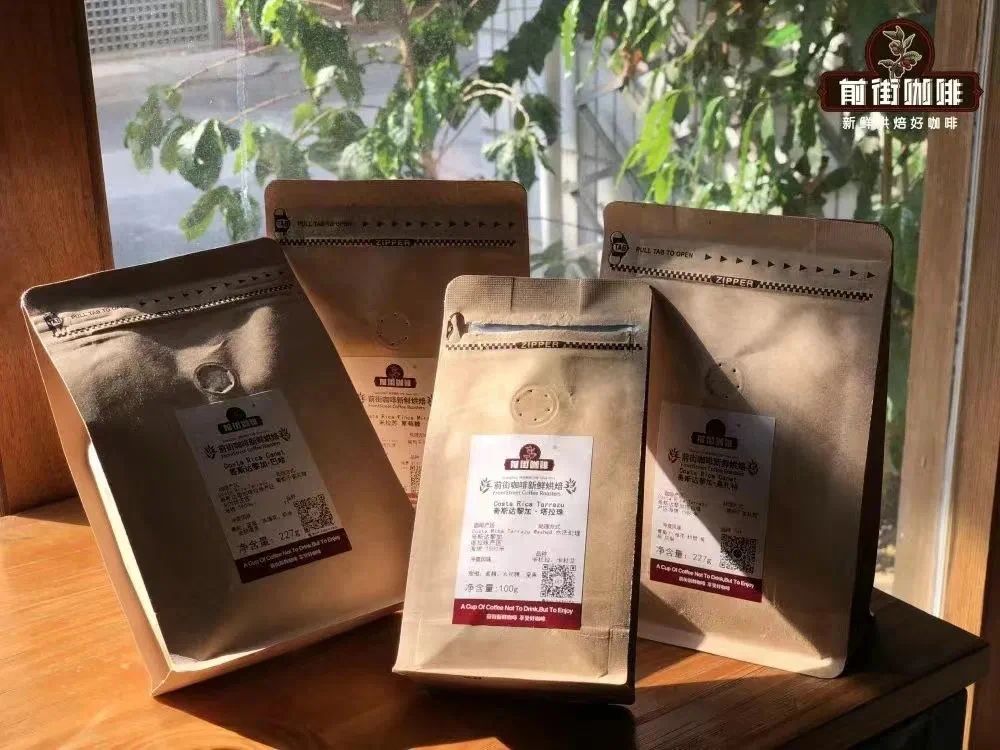
In terms of Latin American producing regions, Brazil’s Cerrado Red Bourbon is known for its mellow notes of nuts, chocolate, and cream, making it suitable for drinkers who prefer a rich mouthfeel. Colombia’s Huila displays a balance of gentle fruit acidity and dark chocolate, with its cultivation environment at altitudes of 1500-1800 meters giving it a rich caramel finish. Costa Rica’s Tarrazú coffee, processed with the washed method, presents bright notes of sweet orange, honey, and nuts, making it a favorite among many coffee beginners. Additionally, Guatemala’s Huehuetenango features distinct layers of berries and spices, ideal for those wanting to explore more complex flavors.
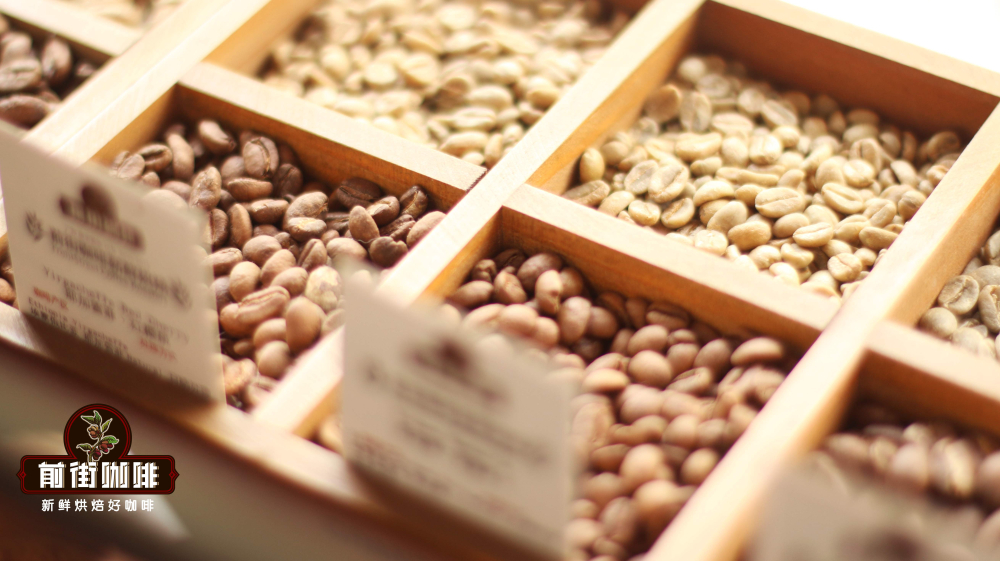
The African producing region is represented by Ethiopia’s Yirgacheffe, where the washed processing method preserves bright notes of jasmine, lemon, and berries. Its acidity is vibrant and layered, making it the top choice for lovers of floral and fruity flavors. Among Asian producing regions, Indonesia’s Lintong Mandheling, processed using the wet-hulled method, offers rich notes of toasted bread, nuts, and herbs, suiting those who prefer deeper flavors. Meanwhile, the Catimor variety from Baoshan, Yunnan, China, showcases a unique combination of melon, brown sugar, and black tea notes, making it a great choice that connects local and global coffee cultures.
Whether you prefer the bright, sweet acidity of floral and fruity profiles or the rich, robust flavors of nuts and chocolate, these seven regional everyday beans can help you quickly build an intuitive understanding of coffee flavors and find the cup that suits your taste best.
The above content is compiled by CoffeeHunters, a coffee news website.


