







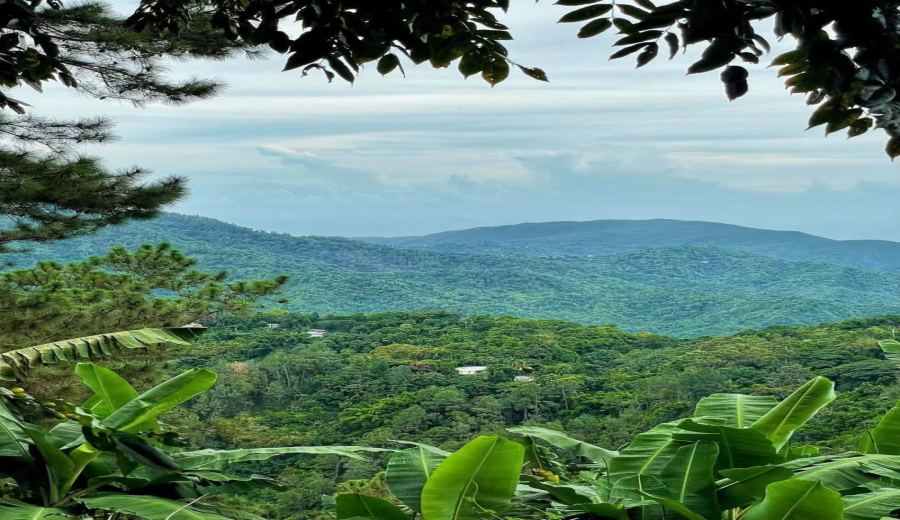
Introduction:Jamaican Blue Mountain coffee is renowned as one of the finest coffees in the world, thanks to its exceptional geographical environment and stringent quality control standards. This article delves into the natural conditions of the Blue Mountains, the distribution of producing regions, the grading system, and provides a detailed look at every step from harvesting, processing, roasting, to pour over brewing — helping you fully understand the flavor characteristics and tasting essentials of this top-tier global coffee.
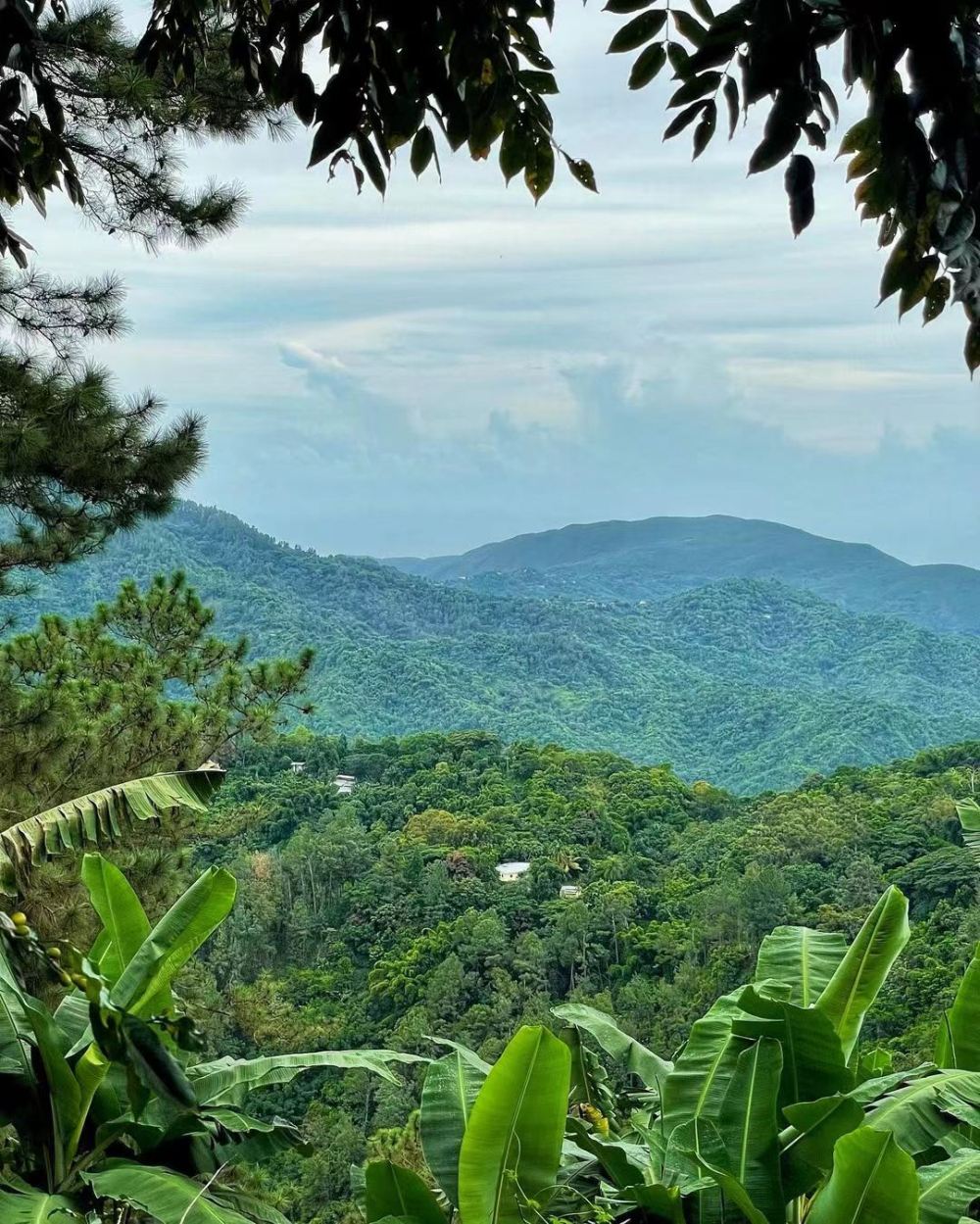
The reason Jamaican Blue Mountain coffee has become a model of specialty coffee worldwide lies in its unique terroir and extremely rigorous production process. The Blue Mountains are located in eastern Jamaica, where the climate is cool, moist, and often foggy, with annual rainfall reaching up to 1980 mm and an average temperature of about 27°C. Combined with fertile volcanic soil, these conditions create the unparalleled flavor profile of Blue Mountain coffee.
The mountain range is called the “Blue Mountains” because, under sunlight, the peaks reflect a deep blue hue reminiscent of the ocean. The main peak stands at 2256 meters, making it the highest point in the entire Caribbean region and one of the few high-altitude environments in the world suitable for cultivating premium coffee. Here, coffee trees are mostly planted on steep slopes, and the harvesting relies entirely on skilled female workers who hand-pick ripe coffee cherries to ensure that each bean meets the highest quality standards.
From the picking of coffee cherries, to depulping, fermentation, washing, drying, storage, and roasting, every step in the production of Blue Mountain coffee is executed with utmost precision. The harvested cherries must be depulped on the same day and undergo 12 to 18 hours of fermentation, followed by thorough washing with clean water and multiple screenings. Then they are spread on cement floors or thick mats to dry until the moisture content drops to 12% to 14%. Finally, they are stored in dedicated warehouses, awaiting the optimal time for roasting and grinding. This meticulous process results in a coffee with delicate, balanced, and multi-layered flavors.
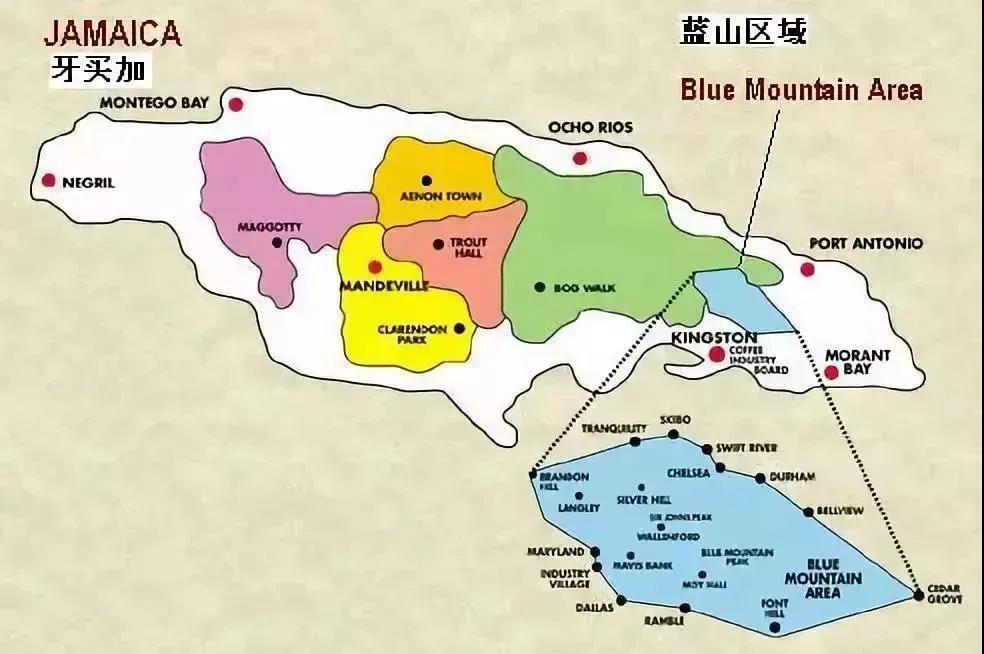
The history of Blue Mountain coffee dates back to the early 18th century. In 1717, King Louis XV of France ordered the cultivation of coffee in Jamaica, and by the mid-1720s, then Governor of Jamaica, Sir Nicholas Lawes, introduced Arabica seeds from Martinique, pioneering their planting in the Saint Andrew area. Today, the main producing regions of Blue Mountain coffee include Saint Andrew, Portland, and Saint Thomas — all located within the Blue Mountain range and possessing ideal growing conditions.
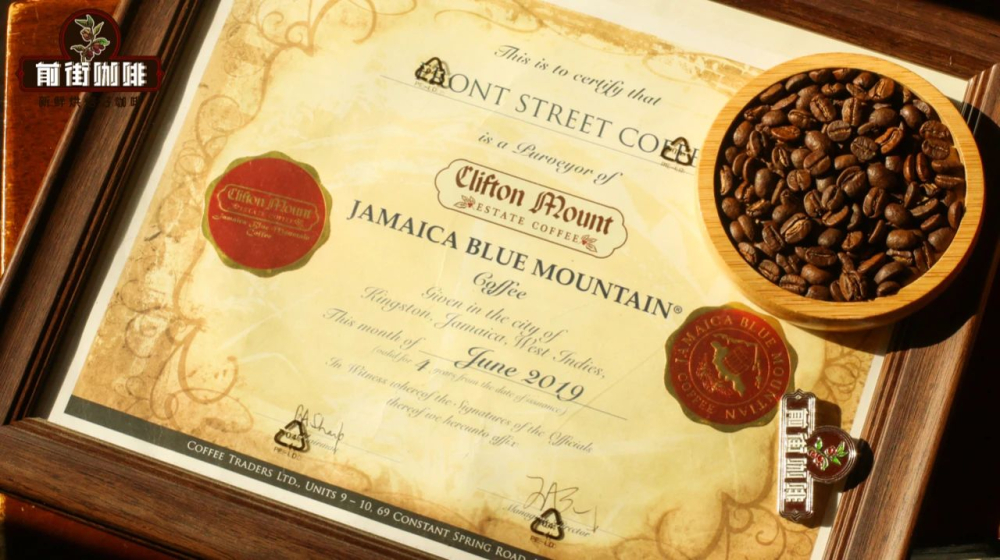
In 1950, the Jamaican government established the Coffee Industry Board of Jamaica, responsible for setting and enforcing coffee quality standards to ensure consistent export quality. This institution also issues official certified stamps and is one of the most authoritative coffee quality certification bodies internationally. Currently, there are six recognized labels that signify authentic Blue Mountain coffee origin: MBCE, MHCCT, PXXSH, Wallenford, Mavis Bank, and Blue Mountain (JAS).
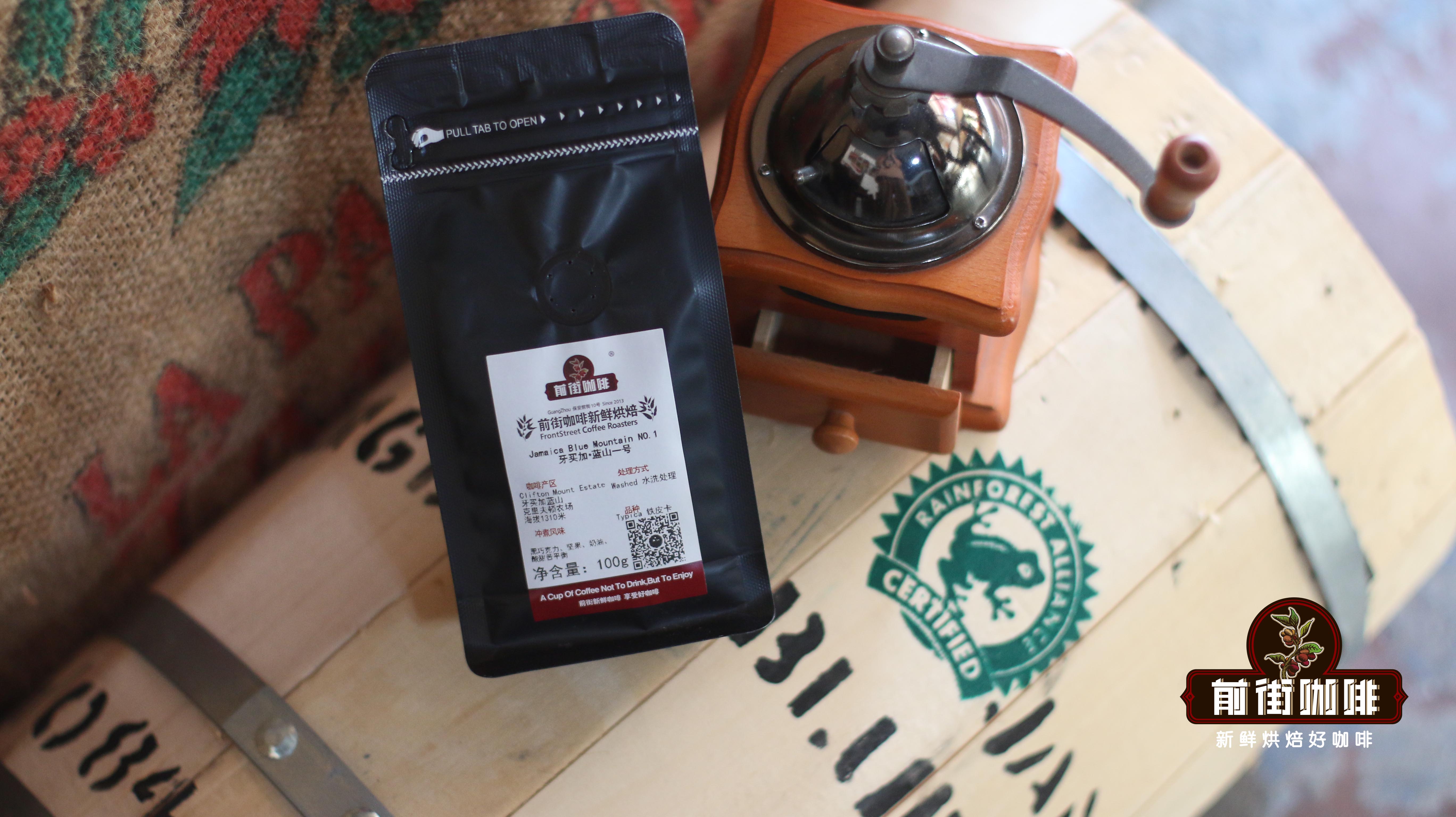
Blue Mountain coffee is divided into three main grades based on quality: Blue Mountain, High Mountain, and Jamaican Coffee, with Blue Mountain and High Mountain further subdivided into No. 1 and No. 2. The overall ranking is: Blue Mountain No. 1 > Blue Mountain No. 2 > High Mountain No. 1 > High Mountain No. 2 > Jamaican Coffee. Blue Mountain No. 1 is the highest grade, known for its rich, balanced flavor, moderate acidity and sweetness, with delicate fruity notes and a mellow aftertaste, making it the dream coffee for many enthusiasts.
The harvesting season for Blue Mountain coffee runs from June to November each year and is carried out entirely by hand, selecting only fully ripe coffee cherries. The beans then undergo processes such as washing, fermentation, cleaning, drying, hulling, and roasting, with each step subject to strict quality control. Notably, Blue Mountain coffee is not packaged in the common 60 kg jute sacks, but rather transported in 70 kg wooden barrels — a traditional packaging method unique to Jamaica on a global scale.
Due to Japan’s long-term significant investment and procurement of Blue Mountain coffee, approximately 90% of the global supply is exported to Japan, with the remaining 10% distributed to other countries, making Blue Mountain coffee extremely scarce and expensive in the global market. Even in European and American markets, the opportunity to taste genuine Blue Mountain No. 1 is very limited.
For roasting, a medium roast is recommended for Blue Mountain coffee to fully highlight its delicate balance of acidity and sweetness, as well as its rich complexity. During roasting, caramelization is a key factor influencing flavor, requiring precise control of temperature and time to bring out the coffee oils and aromatic compounds. The recommended roasting profile is: bean inlet temperature at 170°C, damper at 3; reaching 153°C at around 5 minutes 10 seconds with the beans turning yellow, then adjusting heat and airflow, entering first crack at 8 minutes 12 seconds, and finally dropping the beans at 201.3°C.
For brewing, Blue Mountain No. 1 coffee is best enjoyed via pour over to fully showcase its delicate aroma and rich body. It is recommended to use a KONO filter cone, with water temperature at 88°C, a coffee-to-water ratio of 1:15, using about 15g of coffee grounds ground to approximately EK43s-10.5 (75% passing through a #20 sieve). Begin with a 30-second bloom using 30g of water, then pour in a small circular motion centered on the grounds up to 125g and pause; continue pouring until reaching 225g when the coffee bed has settled halfway, then wait for the drip to finish before enjoying.
Once brewed, Blue Mountain No. 1 offers a rich and full-bodied aroma. The cup presents a smooth mouthfeel with notes of nuts and chocolate, a balanced acidity and sweetness, and a long, clean, and refreshing aftertaste. It is the classic choice for experiencing the true flavor of Blue Mountain coffee. Whether you're a coffee novice or a seasoned connoisseur, you can appreciate the unique charm of Blue Mountain coffee as the “King of Coffees.”
The above content is compiled by CoffeeHunters, a coffee news website.


