







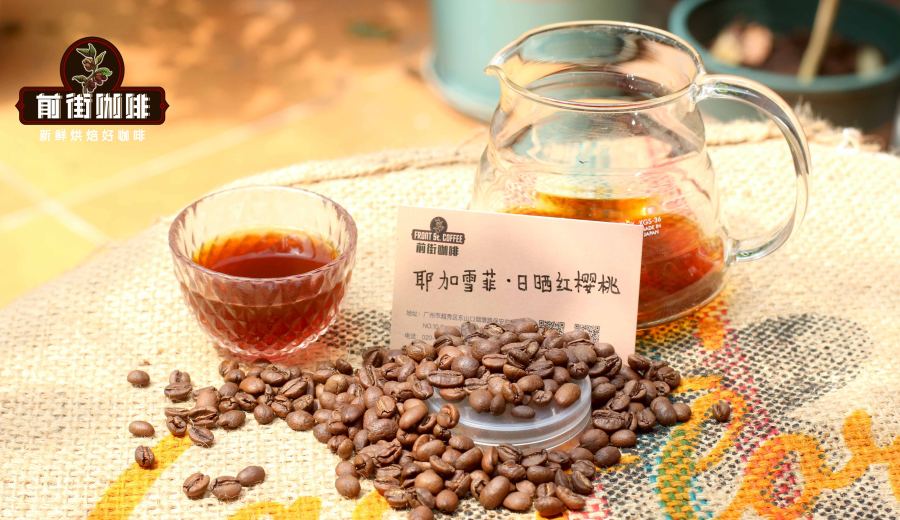
Introduction:The G1 natural-processed coffee beans meticulously handled by smallholder farmer Almaz Bekele from Ethiopia's Yirgacheffe region have garnered attention in the specialty coffee scene for their delicate tropical fruit notes and bright, well-balanced acidity and sweetness. With technical support and quality control from YCFCU, this batch of coffee not only demonstrates exceptional ripeness but also received high praise during cupping. This article will delve into the origin background, processing method, flavor characteristics of this coffee, and provide practical brewing references to help you fully appreciate this uniquely flavored natural G1 coffee.
Yirgacheffe in Ethiopia has long been a holy grail for global specialty coffee enthusiasts. The smallholder production model here has given rise to many remarkable coffee lots. Among them, the G1 natural coffee produced by smallholder Almaz Bekele and processed with assistance from YCFCU stands out with its intense tropical fruit aromas and distinct sweet flavor layers, earning favor from numerous professional cuppers. This coffee uses heirloom varieties, grown at altitudes between 1800 and 2200 meters, representing a typical high-altitude cultivation environment that allows the coffee cherries to ripen slowly and accumulate richer flavor compounds.
The processing method employs traditional natural sun-drying techniques, where the coffee cherries are hand-picked at optimal ripeness, selecting only those resembling red cherries to avoid unripe or overripe beans. Subsequently, these carefully selected coffee cherries are evenly spread on African raised beds to undergo prolonged natural drying under ample sunlight, typically lasting over two weeks. During this process, the coffee seeds continuously absorb sugars and fruity aromas from the pulp, resulting in intense sweetness and fruity notes. Throughout the drying period, workers frequently turn the coffee cherries to ensure even heat distribution and prevent mold or over-fermentation.
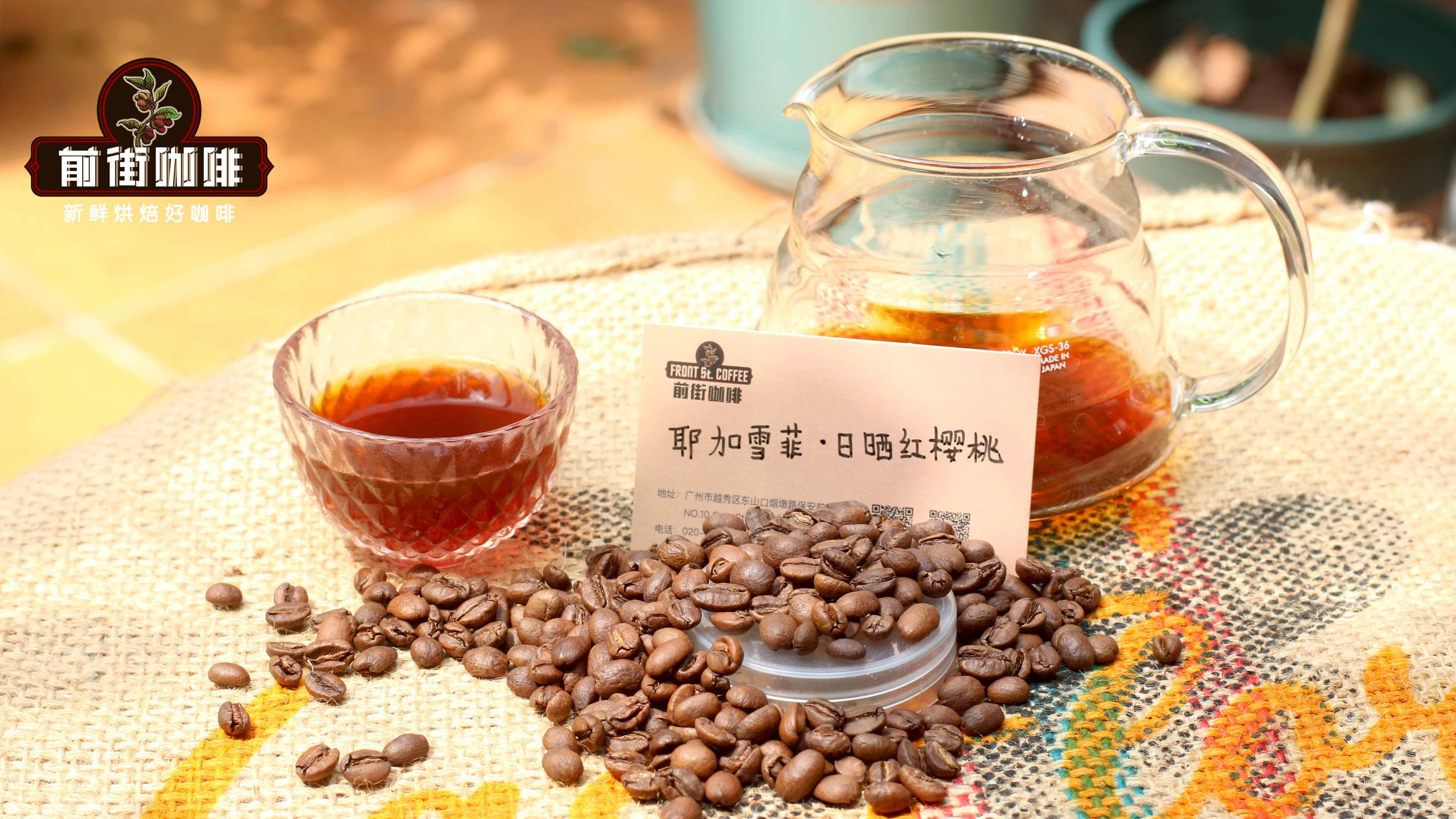
The final flavor profile of this natural G1 coffee produced by Almaz Bekele is quite captivating.During cupping, one can distinctly perceive aromas of tropical fruits such as mango and pineapple, paired with the fresh sweetness of white grapes, the berry character of blueberries, and the subtle orange blossom fragrance that emerges in the aftertaste, presenting a well-layered and balanced overall profile. The medium-light roast preserves bright acidity and delicate aromatics while imparting a rich, smooth mouthfeel and full sweetness, making it highly suitable for coffee drinkers who enjoy prominent fruitiness and complex layers.
Speaking of the driving force behind this coffee, one must mention YCFCU (Yirgacheffe Coffee Farmers Cooperative Union). Established in 2002, this organization has been dedicated to integrating over 26 small coffee farmer cooperatives in the Yirgacheffe region, serving approximately 300,000 smallholder farmers who cultivate their own land. In addition to providing technical guidance and market access, YCFCU invests significant resources in local infrastructure, such as building bridges, schools, and power systems, and regularly conducts training on planting and post-harvest processing techniques, substantially improving the production quality and income stability of smallholders.
It is through YCFCU's assistance that Almaz Bekele has transformed his small-scale coffee harvest into high-quality G1 natural lots through professional processes. Typically, such smallholder farmers produce extremely limited quantities each season, often just dozens to hundreds of bags, making each batch of coffee particularly precious. Under YCFCU's quality control, Almaz Bekele's natural lot this year demonstrated a flavor level approaching that of renowned large cooperatives during cupping, even excelling in certain aspects, particularly in aroma clarity and sweetness persistence.
For readers wishing to try this uniquely flavored Yirgacheffe natural G1 coffee, a pour over method is recommended to highlight its bright acidity and fruity character.The suggested grind size is medium-fine (similar to fine sugar), with water temperature controlled between 90–92°C, using a pulse pouring technique and a total powder-to-water ratio of approximately 1:15 to 1:16. These parameters help bring out the coffee's layers and fruitiness while avoiding over-extraction that could lead to bitterness. If you prefer a stronger flavor, you may also slightly adjust the water temperature or extend the blooming time to find the brewing style that best suits your taste.
The above content is compiled by CoffeeHunters, a coffee news website.


