







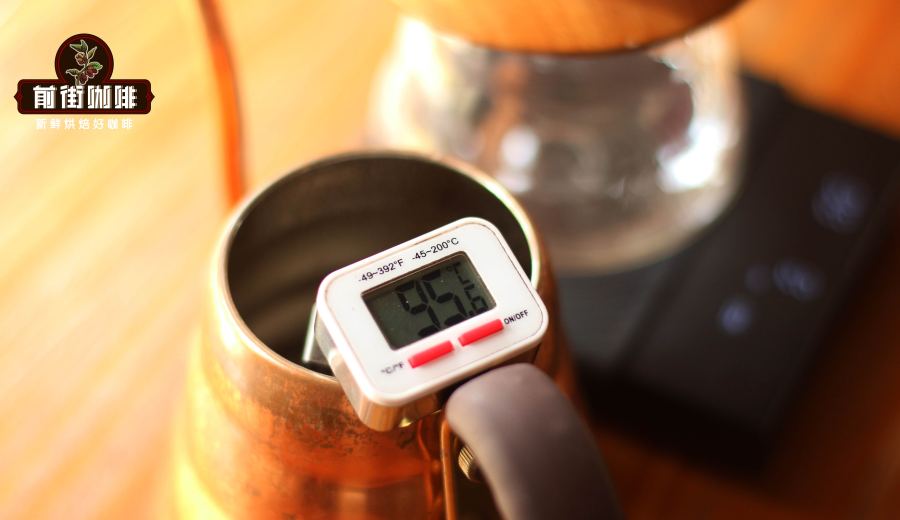
Introduction:The water temperature setting for pour over coffee is one of the most common issues beginners face, but did you know there’s actually a difference between the temperature of the water in the kettle and the actual extraction temperature when it contacts the coffee grounds? This article uses measured data to break down the changes in coffee bed temperature under initial water temperatures of 90°C and 93°C, analyzes the impact of pouring height on extraction efficiency, and combines the characteristics of beans with different roast levels to provide practical parameters and techniques that help you control flavor more precisely.
How hot should the water be for pour over coffee? The generally recommended range is 86°C to 93°C—lighter roasts suit higher temperatures to bring out floral and fruity notes, while darker roasts require lower temperatures to avoid over-extraction and unwanted bitterness. But many people overlook a key point: the initial water temperature inside the pour over kettle is not the same as the actual extraction temperature when it meets the coffee grounds. This article will use measured data to show you how the temperature inside the coffee bed changes during the pouring process at starting temperatures of 90°C and 93°C, and analyze how pouring height affects the final extraction results.
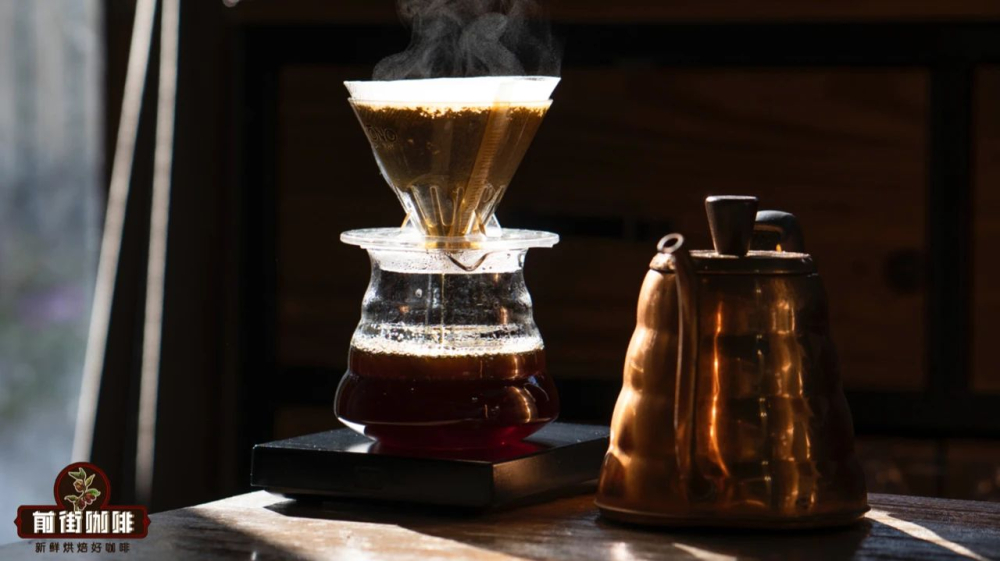
The commonly recommended water temperature range is 86°C to 93°C. Light roasts, due to their delicate flavors, usually require higher temperatures (such as 91–93°C) to fully release fruit acids and floral notes; whereas dark roasts, with their more developed caramelization, can easily produce burnt and bitter off-flavors at high temperatures, so 86–88°C is more appropriate. A customer once correctly guessed that a shared cup from a certain brand was brewed at 93°C using Golden Mandheling, but the actual starting water temperature used was only 90°C—this clearly shows the difference between the actual extraction temperature of the coffee bed and the kettle temperature.
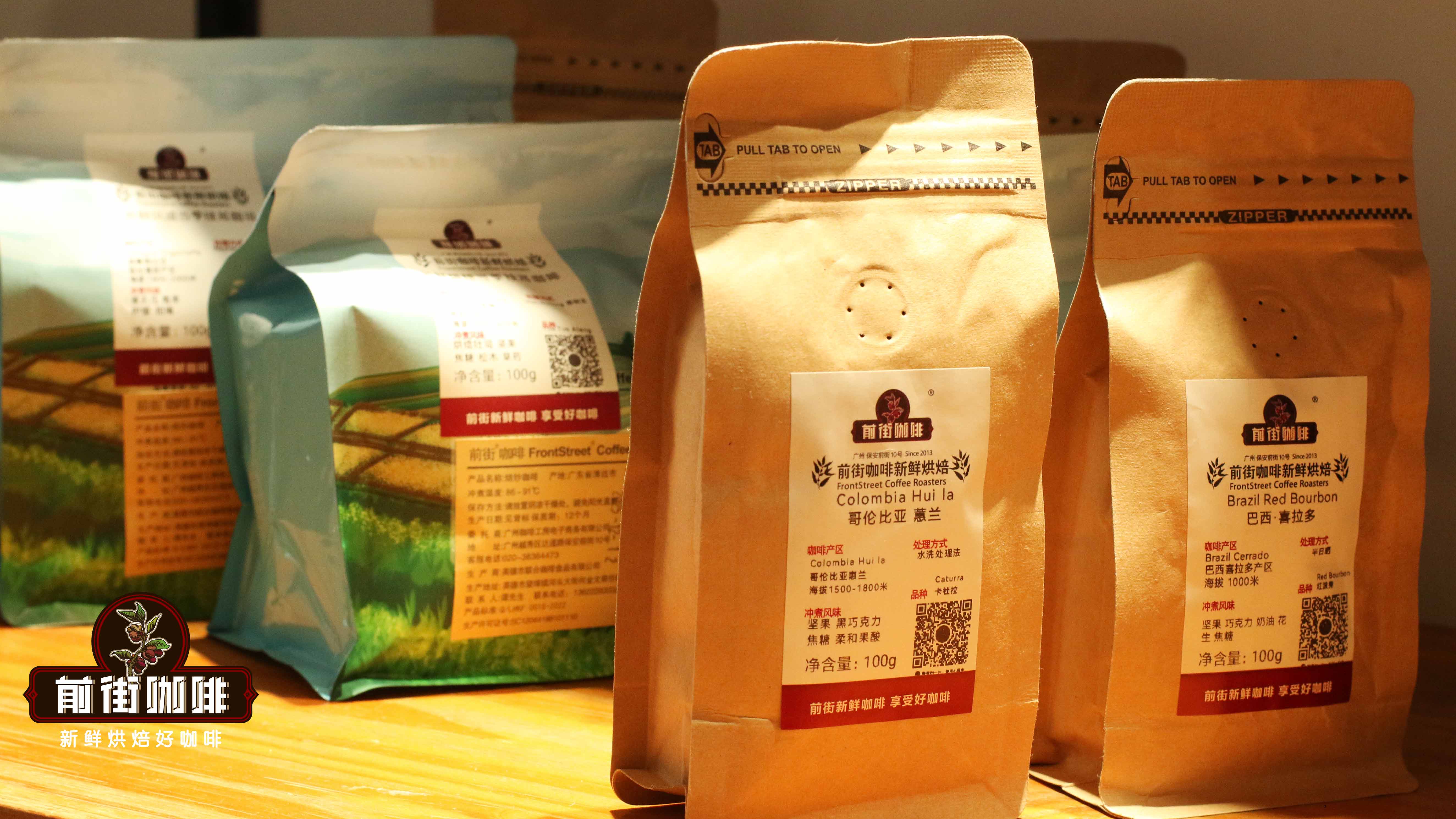
A certain brand adjusts water temperature based on the roast level and flavor profile of the beans when setting brewing parameters. For example, medium-dark roasts like Huilan and Jamaican Blue Mountain, which have richer inherent flavors, use 86–88°C to avoid over-extracting burnt substances; while lighter roasts like Shuiping Washed Guodingding and Kenyan Little Tomatoes use 91–93°C to bring out bright fruit acids and floral notes. However, even with different parameters, similar flavors can sometimes be achieved if grind size and other conditions are well matched—but can simply adjusting the water temperature really make a noticeable difference?
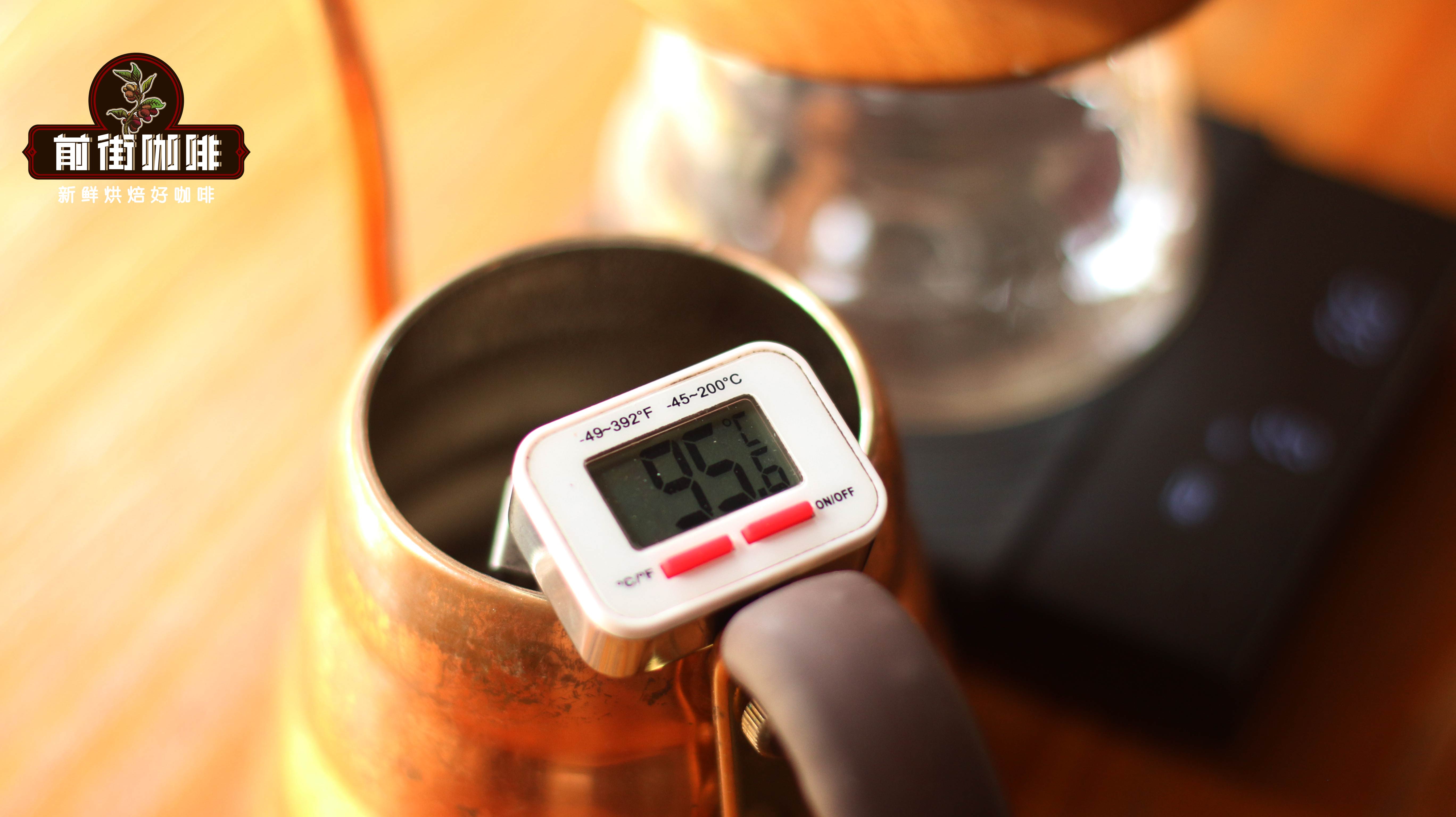
What we refer to as the “brewing water temperature” usually means the initial temperature inside the pour over kettle. But in reality, once hot water contacts the coffee grounds, the temperature drops rapidly. Measured data shows that with an initial water temperature of 90°C, the starting temperature of dry coffee grounds is about 32°C, the coffee bed temperature rises to 85°C during the blooming phase, then drops to 78°C, rises again to 85°C after the second pour, and finally stabilizes between 84.5–86°C, reaching a maximum of only 86.2°C. This means the actual extraction temperature is about 4–5°C lower than the kettle temperature.
Testing again with an initial water temperature of 93°C, the coffee bed temperature during blooming rises to 86.3°C, drops to 83°C after the first pour, rises to 87°C after the second pour, and finally stabilizes between 85–88°C, with a peak temperature of 88°C. Comparing the two sets of data, although the initial water temperatures differ by 3°C, the actual extraction temperatures differ by less than 3°C, yet flavor differences can still be clearly distinguished. So where does this few-degree temperature loss mainly come from? The answer lies in heat absorption by the coffee grounds, heat dissipation from the filter cone, and heat loss from the water exposed to air.

To reduce this heat loss, one simple method is to adjust the pouring height. The usual pouring height for pour over is around 3–4 cm. In this experiment, the height was increased to 7–8 cm, using an initial water temperature of 93°C. The results showed that during blooming, the coffee bed temperature rose to 87°C, dropped to 83°C after the first pour, rose to 86.2°C after the second pour, and finally stabilized between 84–86.7°C, reaching a maximum of 87°C. This set of data, both in taste and numerical values, is closer to the brewing results at an initial temperature of 90°C, proving that pouring height does indeed affect the final extraction temperature.

In daily pour over practice, it’s unlikely we’ll measure the temperature inside the coffee bed every time, so the most practical approach is to master the setting of the kettle water temperature and understand its relationship with the actual extraction temperature. Through this experiment, we found that although there is a gap between the initial water temperature and the actual extraction temperature, adjusting the pouring height can effectively narrow this temperature difference, thereby influencing flavor expression. Whether you prefer low pours close to the liquid surface or straight, high-stream pours, understanding these principles will give you more confidence in real-world brewing.
The above content is compiled by CoffeeHunters, a coffee news website.


