







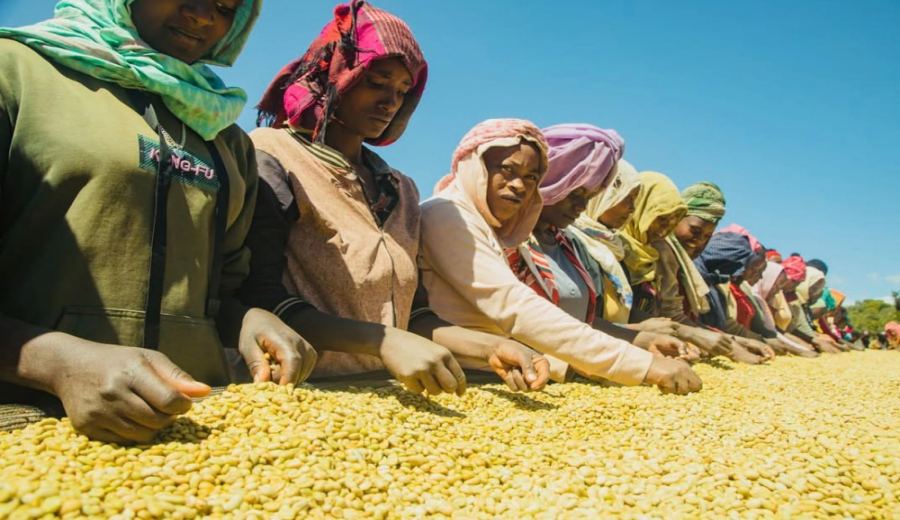
Introduction:Ethiopia is not only regarded as the birthplace of coffee but also boasts a diverse range of high-quality beans nurtured by its unique geography and climate. This article delves into the origins of the country’s coffee culture and provides an in-depth look at six highly representative specialty pour-over beans, including their regional characteristics, processing method differences, recommended brewing methods, and distinct flavor profiles. It serves as a practical guide for both coffee beginners and advanced enthusiasts.
Ethiopia, located on the East African Plateau, was referred to in ancient Greek as the "land of the burnt-faced people." It is not only one of the cradles of human civilization but also widely recognized as the birthplace of coffee. The English word "coffee" is said to have originated from the local region name "Kaffa." It is believed that around the 9th century, a shepherd noticed his sheep becoming unusually energetic after eating red berries, thus marking the beginning of coffee consumption. Over time, this magical fruit spread from the highlands to the rest of the world, becoming one of the most popular beverages today.
For many coffee lovers, Ethiopia is not just a place to trace roots, but also a treasure trove for experiencing the diversity of coffee. The country’s beans are known for their bright acidity, delicate floral and fruity aromas, and clean, smooth mouthfeel. In particular, the name "Yirgacheffe" has almost become synonymous with specialty coffee. The industry has selected six highly representative Ethiopian specialty pour-over beans, analyzing each one’s regional traits, processing methods, brewing recommendations, and unique flavors to help readers gain a deeper understanding of the essence of this coffee sanctuary.
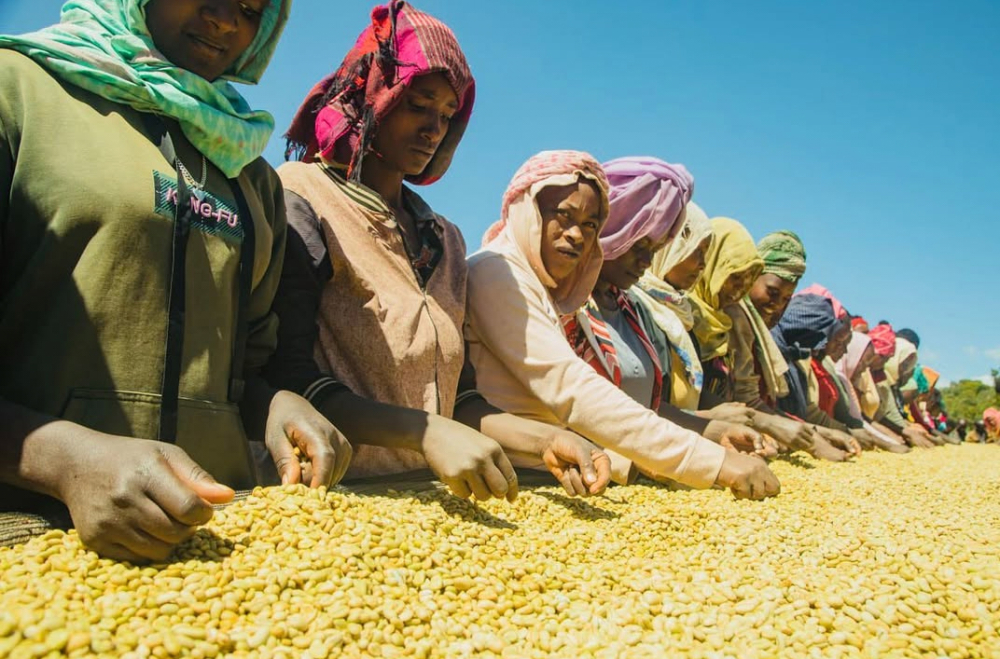
Ethiopia not only possesses rich natural resources and diverse flora and fauna, but also has millennia of human history and unique cultural charm. Its numerous high mountains and rift valley terrains, coupled with a mild and pleasant climate, make it one of the highest-altitude and most microclimate-diverse coffee-growing regions in the world. The ample moisture brought by lakes such as Lake Turkana, Lake Abaya, and Lake Chew Bahir further creates an ideal environment for coffee tree growth.
The following is a detailed introduction to six carefully selected Ethiopian specialty pour-over beans, each with its own unique processing method and regional flavor:
1. Washed Yirgacheffe
Yirgacheffe is a high-altitude town in southern Ethiopia, situated between 1,700 and 2,100 meters above sea level, making it one of the highest coffee-growing regions in the world. The area’s cool and humid climate, often shrouded in clouds, contributes to the coffee’s distinctive citrus and floral characteristics. The washed Yirgacheffe beans exhibit clear notes of lemon and jasmine, with vibrant and bright acidity, and a refreshing, elegant mouthfeel—akin to sipping a high-quality lemon tea. The finish carries a soft, tea-like sensation, making it ideal for those who prefer a clean and bright acidity. It is recommended to use a medium-light roast, grind size around medium-fine, water temperature controlled at 90–92°C, and employ a fine stream with moderate flow rate during pour-over to fully showcase its layered aromas and flavors.
2. Guji Dingding Cooperative
The Guji Dingding Cooperative is located in the Guji Zone, southeast of Yirgacheffe, and became independent from the original Yirgacheffe Union in 2012, consisting of about 300 farmers. The cooperative emphasizes bean traceability and removes the fruit pulp early in the processing, which helps preserve the coffee's intrinsic aromatic features more completely. The Guji Dingding coffee reveals delicate citrus and lemon tones, paired with elegant white floral aromas. The overall flavor is clean and refined, suited for medium-light roasting. For pour-over, it is advised to use water around 90°C and a fine grind to highlight its graceful fruity acidity and floral expression.
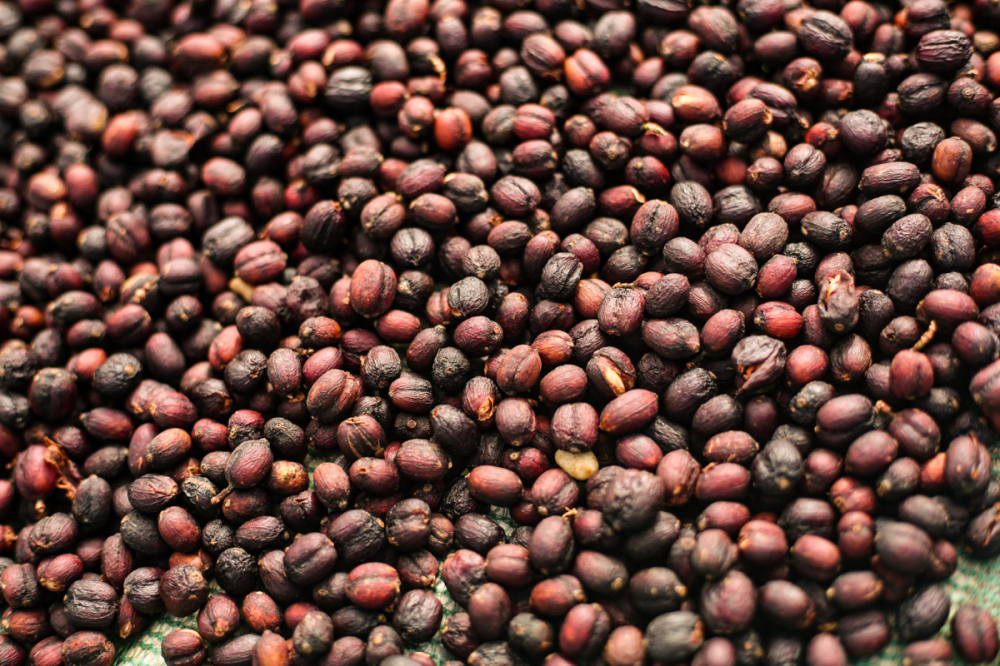
3. Natural Red Cherry
Unlike the washed process, the natural (sun-dried) method retains more flesh and mucilage, allowing the beans to absorb more sweetness and fruitiness during drying. The Yirgacheffe Natural Red Cherry is a premium-grade bean that has undergone strict selection and multiple screenings. Its flavors present a multi-layered profile of peach, cocoa, honey, and lemon. Suitable for various brewing methods, including pour-over, cold brew, French press, and moka pot, it is an excellent choice for exploring Ethiopian natural-processed flavors. Brewing is recommended with a medium-dark roast, water temperature slightly below 93°C, to fully bring out its sweetness and rich fruit aromas.
4. Natural Huacui
The Sidamo region, located in southern Ethiopia, once encompassed well-known areas such as Yirgacheffe and Guji. Although these have since become independent, Sidamo remains renowned for its rich fruit acidity and balanced aromas. The Natural Huacui showcases enticing flavors of berries, citrus, and mango, with an overall flavor profile that is as rich and layered as black tea. Suited for medium-dark roasting, it is recommended to use a medium-fine grind with water temperature between 91–93°C when brewing pour-over to highlight its sweet aroma and fruity notes.
5. Hamasho
The Hamasho processing plant is also located in Sidamo and is highly praised for its consistent quality and distinctive flavors, having won awards in national Ethiopian green bean competitions multiple times. The plant mainly uses disease-resistant varieties from the JARC (Jimma Agricultural Research Center), notably the 74158, which is known for its small beans and outstanding floral and fruity aromas. The Hamasho 74158 offers enticing aromas of perfumed lemon, strawberry, and starfruit, with a mouthfeel that immediately delivers noticeable berry and green grape sweetness. The finish includes a gentle floral note and nutty aftertaste. It is recommended to use a medium-light roast, paired with a fine grind and water temperature between 90–92°C, to emphasize its lively fruit acidity and layered floral-fruity complexity.
6. Kafa Forest
Kafa Forest is not your typical farmed plantation but a pristine ecological zone famous for its wild coffee trees. The coffee grows in shaded environments at altitudes between 1,400 and 2,100 meters, benefitting from red soil, abundant rainfall, and unique microclimates that nurture beans with unique flavors. The Kafa Forest coffee is medium-light roasted, and once ground, emits pronounced white floral notes. On the palate, it begins with bright citrus acidity, followed by flavors of sweet orange and bergamot, with a lingering finish of melon and nutty aromas, delivering an overall mouthfeel as refreshing as green tea. For brewing, a medium-fine grind is suggested, with water temperature maintained at 90–91°C, to present its naturally balanced sweet and acidic profile along with its wild origin characteristics.
The above content is compiled by CoffeeHunters, a coffee news website.


