








Introduction:Yunnan Catimor is currently the most widely planted coffee variety in China, accounting for over ninety percent of cultivation. This hybrid bean combines Arabica and Robusta genetics, exhibiting notes of nuts and chocolate, yet facing the challenge of limited flavor depth. This article delves into the origins of the Catimor variety, its market positioning, and flavor characteristics, while also providing practical pour over parameters and steps to help you extract its balanced flavors more accurately.
When it comes to coffee produced in Yunnan, many people immediately think of the term “small-bean coffee,” but the origin of this name is often misunderstood in relation to its actual variety. The so-called “small-bean” refers to Arabica varieties with relatively small fruit, as opposed to the medium-sized Robusta beans grown in places like Hainan. Currently, over ninety percent of the coffee planting area in Yunnan is dedicated to the Catimor variety, rather than the traditionally recognized Typica or Bourbon.
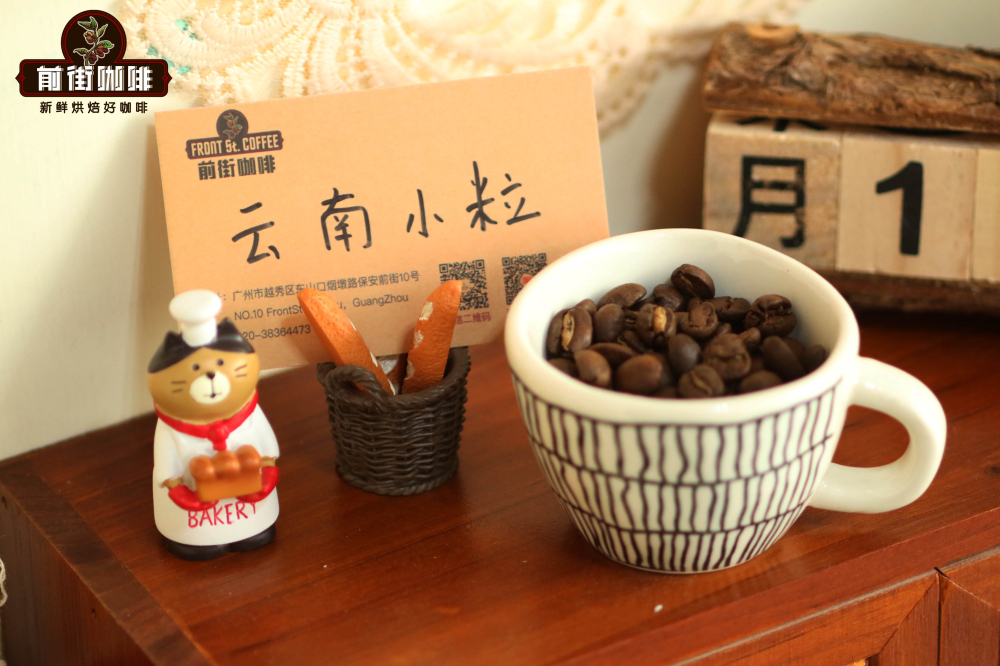
Catimor is not a purebred Arabica, but a hybrid variety developed in 1979 by Portugal’s Coffee Rust Research Centre (CIFC), with a genetic makeup of 75% Arabica and 25% Robusta. This variety was initially created to combat severe coffee leaf rust, featuring a compact plant structure, strong disease resistance, and high yield. Although it is still classified as Arabica, the Robusta genes also give it some distinct traits—for example, good disease resistance and adaptability—but this also means its flavor profile is often considered relatively simple, typically showcasing basic notes such as nuts, caramel, and brown sugar, while lacking the bright flavors like citrus and floral notes commonly found in high-altitude purebred Arabica.
In the early days, Yunnan farmers mostly grew traditional Arabica varieties such as Typica and Bourbon, but due to their weak disease resistance and low yields, these were gradually replaced by Catimor. Catimor trees are short with short fruit nodes, making them easier to harvest and manage, and better suited to Yunnan’s relatively low altitude and variable climate conditions. However, due to the influence of Robusta genetics, if the processing method is not refined enough, it can easily produce unpleasant aftertastes, even described as having a “devil’s finish.” This issue was especially pronounced in the early years when green bean processing techniques were not yet mature, which also affected its evaluation in the international market.
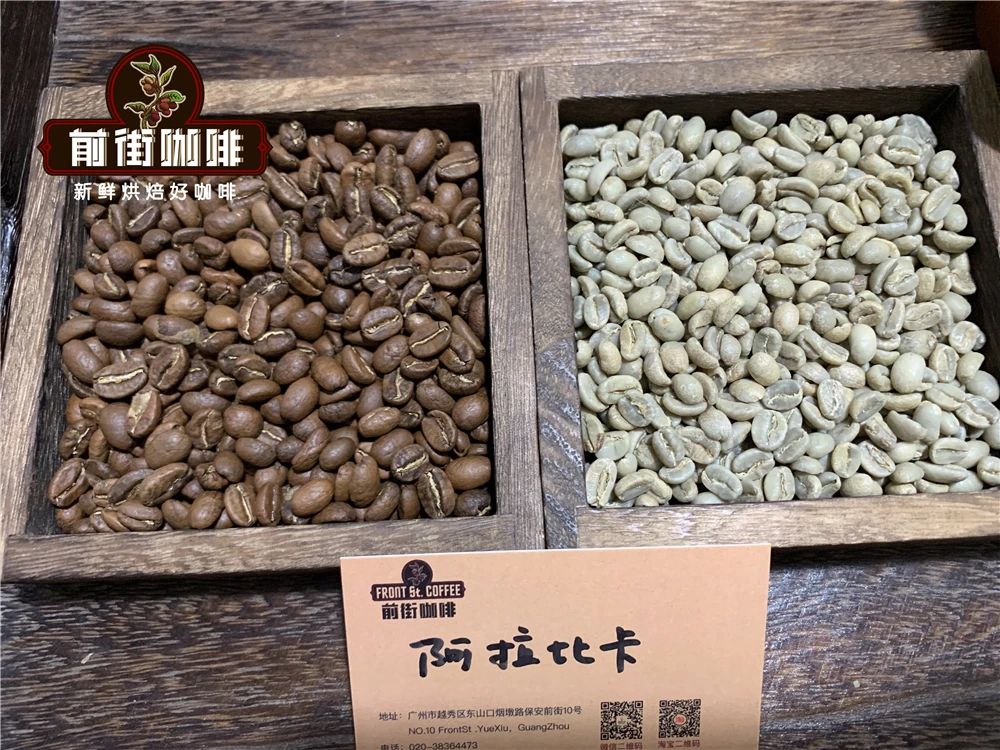
For consumers who want to experience the true flavors of Yunnan beans, it is recommended to prioritize washed-process Catimor. The washed method removes the pulp layer, reducing the risks of impurities and uneven fermentation, resulting in better cleanliness and consistency in the coffee. A certain brand’s entry-level Yunnan Catimor beans, for instance, use the washed process, with a medium roast that presents a combined profile of nuts, herbs, brown sugar, and plum acidity—suitable for everyday drinking and helpful for understanding the basic flavor profile of the Yunnan growing region.
Some merchants market Yunnan coffee with special flavor-enhancing techniques such as winey or fruity notes. While these can attract attention through aroma, such processing methods often mask the beans’ original character and can mislead consumers about the true flavors of Yunnan beans. In fact, most Yunnan coffee farmers lack access to imported, high-cost processing equipment, so washed and natural (sun-dried) processes remain the most common and most reflective of regional characteristics today.
Given the medium roast profile of Yunnan Catimor, the following pour over parameters are recommended to balance its nutty base and subtle acidic highlights: Use a Hario V60 filter, with around 15 grams of coffee grounds, water temperature controlled at 90°C, and grind size based on a 75% extraction rate through a #20 sieve, equivalent to a medium-fine to medium grind. The recommended coffee-to-water ratio is 1:15, with a total brew water volume of 225 grams, brewed in three pours. First, pour 30 grams of water (twice the coffee weight) for a 30-second bloom, then pour in a small stream in a circular motion from the inner circle outward until reaching 125 grams for the first pour. After a slight drop in the coffee bed, continue pouring with a fine stream until the total reaches 225 grams, with the total brew time controlled to around 2 minutes.
Through this brewing method, the chocolate and nutty main notes of Yunnan Catimor can be fully brought out, while preserving herbal aromas and a moderate plum acidity, with a clean aftertaste and a hint of sweetness. Cupping often reveals a rich nutty presence, accompanied by soft caramel and chocolate notes. Upon tasting, the herbal tones balance the sweetness, with acidity that is understated yet layered. The overall profile is neutral and well-balanced, making it an ideal daily drinker for those who enjoy well-rounded coffee flavors.
The above content is compiled by CoffeeHunters, a coffee news website.


