








Introduction:Gain an in-depth understanding of the three major coffee species—Arabica, Robusta, and Liberica. From Robusta’s disease resistance and cross-pollination mechanism to the breeding history of Arabica hybrid varieties and the unique washed processing flavor of Yunnan’s small-grain Catimor. This article will help coffee enthusiasts and professionals master practical knowledge in variety selection and flavor application.
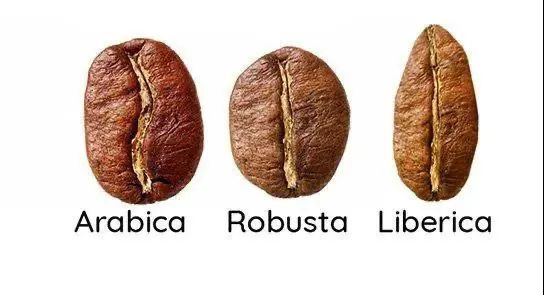
Among the large family of coffee varieties, Arabica, Robusta, and Liberica are the three main branches. Among them, Arabica and Robusta are not only the mainstream of commercial cultivation but also the most common choices in daily beverages. Robusta, with its outstanding disease resistance and higher caffeine content, serves as an important base for espresso blends and instant coffee. Moreover, due to its unique flavor characteristics, it demonstrates value in specific application scenarios.

Global coffee cultivation is mainly concentrated in the “coffee belt” near the equator, that is, the area between the Tropic of Cancer and the Tropic of Capricorn. Although Robusta and Arabica are both cultivated in this zone, Robusta has stronger adaptability, capable of growing stably in lower altitudes and higher temperature environments, and its resistance to pests and diseases is also significantly better than that of Arabica. Currently, countries such as Vietnam, Brazil, and India all have large-scale Robusta planting regions.
In terms of chemical composition, Robusta’s caffeine content generally ranges between 2.7% and 4%, almost double that of Arabica. High caffeine is not only a natural insect repellent but also helps the plant resist external stress. In addition, Robusta also has higher levels of chlorogenic acid and amino acids, among which chlorogenic acid is the main contributor to the bitter and astringent taste. Therefore, the flavor of Robusta after brewing usually presents a deep, mellow texture, often with nutty, grainy, or even walnut notes, and it also has relatively rich oil content.
Robusta is a cross-pollinating plant, while Arabica is self-pollinating. The advantage of cross-pollination lies in its greater genetic diversity, making it easier for offspring to inherit different traits from both parents, thereby enhancing adaptability to environmental changes. In contrast, Arabica, due to long-term self-pollination, tends to have more uniform genes and is more likely to suffer total crop failure when faced with threats such as leaf rust or berry disease. This is also an important reason why Robusta can maintain stable yields even in harsher environments.
With the advancement of coffee variety improvement and hybridization technology, more and more new varieties that combine disease resistance and flavor potential have been cultivated. Among them, the hybrid varieties of Robusta and Arabica are a major highlight. For example, the famous Timor Hybrid, Catimor, and Castillo are all cultivated through cross-species pollination, combining disease resistance with a certain degree of quality potential.
Dating back to 1920, the Timor Hybrid naturally emerged on the island of East Timor in Indonesia. It is a natural hybrid of Arabica and Robusta. Although classified as an Arabica plant, it carries Robusta’s disease-resistant genes. Subsequently, this variety was further hybridized with Caturra, giving rise to the first generation of F1 hybrid varieties, which later became widely known as Catimor. By 1961, the Colombia Coffee Research Center initiated a 23-year breeding program focused on developing varieties with leaf rust resistance. Eventually, six new varieties including Castillo were successfully introduced and have been widely planted and promoted since 2005.

Among the many hybrid varieties, Yunnan’s small-grain Catimor has garnered significant attention due to its special washed processing method. These coffee beans from China’s Yunnan region, after undergoing washed processing, exhibit clear fruity and melon aromas. With medium roasting, they also carry subtle plum acidity and soft cocoa layers, with an overall mouthfeel as smooth and balanced as black tea. Not only is it suitable for use as a single-origin pour over, but its mild characteristics also make it an ideal supporting player in espresso blends.
For novice coffee enthusiasts or professional shop owners looking to try an option that balances complexity and harmony, a certain brand’s Black Cocoa-based blend is a great entry-level choice. This blend combines the creamy peanut notes of Brazilian beans with the subtle acidity and tea-like undertones of Yunnan’s small-grain Catimor, leaving a refreshing aftertaste. It’s suitable for daily enjoyment or as a reference foundation for blend creation.
The above content is compiled by CoffeeHunters, a coffee news website.


