







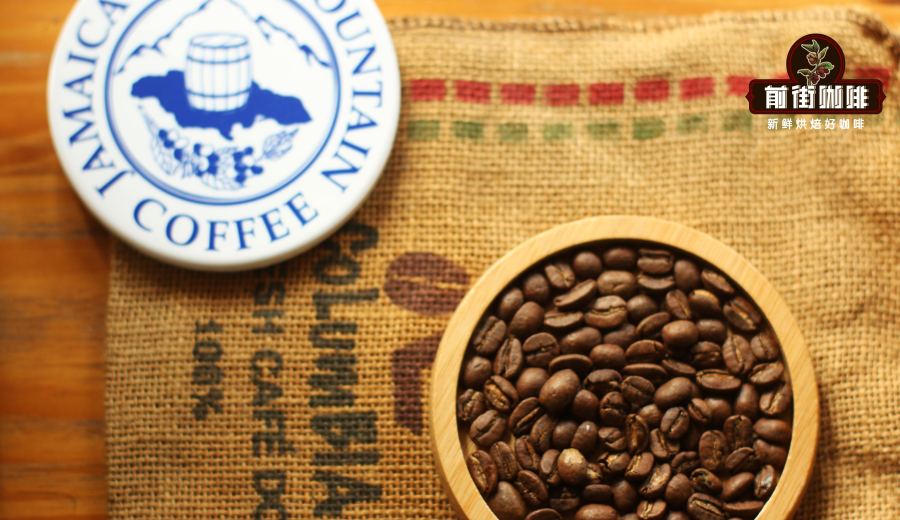
Introduction:An in-depth exploration of the Typica washed coffee beans from PNG’s Paradise Bird Estate, analyzing its varietal lineage, growing environment, processing method, and cupping profile. The article also provides practical pour-over parameters and roasting suggestions to help coffee enthusiasts understand how this boutique coffee, often referred to as the “Little Blue Mountain,” showcases a bright and clean sweet-and-acidic flavor profile.
When it comes to Blue Mountain coffee, many are familiar with the name, but “Little Blue Mountain” is less well known. This term actually refers to boutique coffee from Papua New Guinea—not Jamaica. It earned the nickname “Little Blue Mountain” because it was planted with Typica varieties originally introduced from Jamaica, and its high-altitude, island-style climate shares similarities with that of Jamaica, resulting in comparable flavor characteristics. This article will take you on a comprehensive journey through the Typica washed coffee beans from Paradise Bird Estate, covering everything from varietal history and regional environment to processing methods, pour-over recommendations, and flavor traits—giving you a full grasp of its unique charm.
Papua New Guinea: Island Climate Nurtures Boutique Coffee
Located east of Indonesia, Papua New Guinea has a typical island climate, situated between the equator and 10° south latitude, with terrain encompassing tropical rainforests, volcanic regions, and plateaus. Its main coffee-growing areas are located at elevations of1200 to 2500 meters, featuring cool climates, abundant rainfall, and soils rich in volcanic minerals—providing an ideal environment for coffee cultivation. Since 1931, the country has introduced the Typica variety from Jamaica, followed by the introduction of Bourbon, Mundo Novo, and Catuai varieties in the 1950s and 1960s, gradually forming a diverse coffee genetic pool.
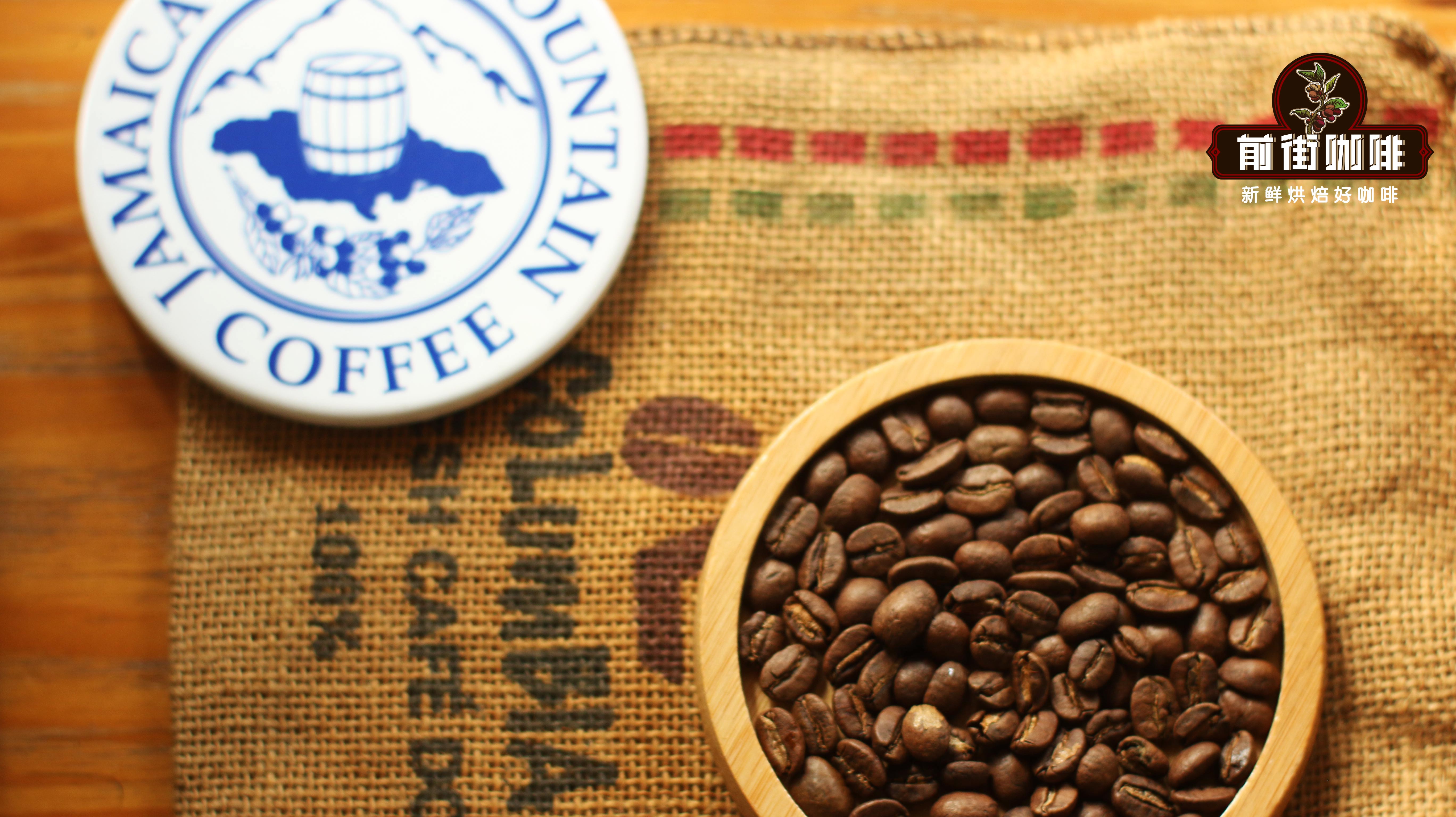
Paradise Bird Estate: A Coffee Benchmark in the Western Highlands’ Wahgi Valley
The coffee beans featured in this article come from theParadise Bird Estate (Sigri Estate)in the Wahgi Valley of the Western Highlands Province, Papua New Guinea. Established in 1950, the estate is one of the region’s pioneering and long-established coffee producers. Situated at an elevation of1600 to 1800 meters, the estate benefits from fertile volcanic soil and excellent drainage, along with a cool climate and stable rainfall. Moreover, Paradise Bird Estate has long been committed to pesticide- and insecticide-free farming, focusing on ecological sustainability and bird habitat preservation—an important foundation for the quality of its boutique coffee.
The main harvesting period runs from April to September each year. The estate only picks fully ripe red coffee cherries and monitors quality daily through cupping to ensure that each batch consistently delivers high-quality flavor. The coffee produced here stands out in the Asian coffee-growing regions for its bright acidity and clean taste, making it one of the representative boutique coffees of Papua New Guinea.
Typica Variety: Elegant Acidity But Demanding Cultivation
The Typica variety, introduced to Papua New Guinea in 1931, is a classic favorite among many coffee enthusiasts. Known for itsclean and balanced flavor profile, it often exhibits gentle fruity acidity and delicate sweetness. The beans are typically cone-shaped or slender-tipped, distinctly different from the rounder beans commonly seen in Bourbon varieties. However, Typica also has its limitations—it is relatively susceptible to diseases such as leaf rust, yields are low, and therefore requires more meticulous cultivation management to realize its full potential.
Washed Processing: Triple Fermentation for Clean Acidity
Washed processing is the predominant method for coffee in Papua New Guinea, closely related to its tropical rainforest climate and abundant water resources. Local processing facilities typically subject harvested ripe red cherries totriple-washed fermentation, each cycle lasting about 24 hours, with fresh water changes to effectively control fermentation flavors. After fermentation, the beans are washed, dehulled, and then graded by size and density, with common grades includingAA, AB, and PB (peaberry). This refined process imparts the beans with bright fruit acidity, delicate sweetness, and exceptional cleanliness—forming a stark contrast to the herbal and spicy notes often found in Indonesian coffees.
It’s worth noting that washed processing in Papua New Guinea differs slightly from that in Central and South America, particularly in its emphasis on multiple water changes and precise control during fermentation. This results in a final flavor that is clearer and more transparent, sometimes even carrying subtle tea-like and floral notes.
Roasting Recommendation: Medium Roast Highlights Sweetness-Acidity Balance
For a variety like Typica, which has relatively low bean density, amedium roastis recommended to fully showcase its refreshing acidity and fruity character. During actual roasting, set the drum temperature to170°C at charge, with the initial damper setting at3, and maintain the heat at140°C. Adjust the damper tobased on the turning point (around1’36” when the temperature reaches 140°C4). As the bean surface gradually turns yellow and grassy notes fade, reduce the heat to 110 at176°C, and moderately increase the heat again as first crack approaches to stabilize the rate of rise. The first crack typically begins at around188°C, and it is recommended to fully open the damper at this point while controlling the post-crack temperature rise to within6°C. Finally, drop the coffee at198.5°Cto preserve optimal sweetness-acidity balance and aroma expression.
Cupping Profile: Nuts, Cocoa, and Gentle Fruit Acidity
After cupping, this Typica washed coffee from Paradise Bird Estate revealsnotes of nuts, cocoa, and gentle fruit acidity, with a caramelized sweetness and slight smokiness in the aftertaste. The overall flavor profile is clear and well-balanced. Its acidity is bright yet not harsh, and the sweetness lingers, making it ideal for coffee lovers who appreciate clean and crisp flavor profiles.
Pour-Over Recommendation: Kono Filter + 20-Size Sieve with 75% Passing Rate Grind
It is recommended to use aKono filterfor pour-over brewing, with a coffee dose of15 gramsand a brew ratio of1:15. The grind size is suggested to besugar-fine (approximately 75% passing rate through a 20-size sieve). If you don’t have a sieve, observe the flow speed during pouring—too fast indicates a grind that is too coarse, while too slow may mean it’s too fine. Usea three-stage extraction: begin with30 grams of water for a 30-second bloom, then pour in small circles to reach125 grams, wait for the water level to drop, and then continue pouring to225 grams, keeping the total brew time around2 minutes. These parameters help fully express the coffee’s layers and nuances, highlighting its most captivating flavor characteristics.
In summary, the Typica washed coffee beans from Papua New Guinea’s Paradise Bird Estate, with their unique geographical conditions, traditional processing methods, and consistent quality, stand out as one of the must-try boutique coffees for both coffee professionals and enthusiasts. Whether enjoyed daily or as a starting point for exploring coffee terroirs, this coffee is well worth a try.
The above content is compiled by CoffeeHunters, a coffee news website.


