







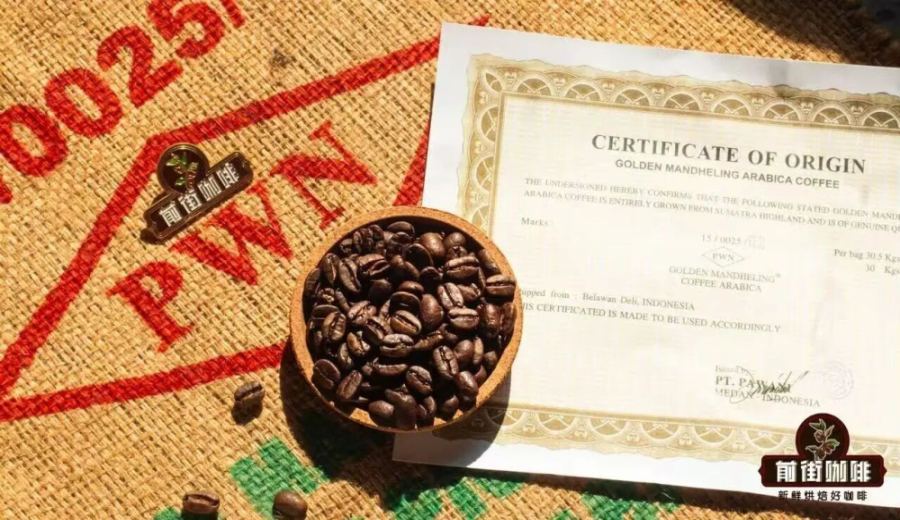
Introduction:Mandheling is renowned for its low acidity, rich body, and captivating caramel aroma, making it a representative of Asian-flavored coffees. This article delves into the unique flavor profile of Mandheling, the mysteries of dark roasting, and how to experience its layers of spice, nuttiness, and dark chocolate through both single-origin and blended beans. Whether you're a beginner or an advanced pour-over enthusiast, you'll find suitable entry-level and advanced options.
Mandheling coffee has long been considered a classic among Asian specialty coffees, celebrated for its low acidity, full-bodied mouthfeel, and lingering sweet aftertaste. The most fascinating aspect of this type of coffee is how dark roasting can fully bring out its complex caramelized aromas, including dark chocolate, nuts, spices, herbs, and even a touch of warm sandalwood notes. As the temperature cools, these flavor layers gradually unfold, offering drinkers a unique taste experience.
If you're new to Mandheling, it's recommended to start with G1 grade beans from the Lin Tong region of Sumatra. These coffees are typically processed using the wet-hulled method, which enhances the bean density and helps highlight their rich body and intense roasted aroma. Whether brewed using pour-over, moka pot, or a clever dripper, they showcase a distinctive spicy and nutty character. Additionally, these beans are generally best dark roasted to fully release their deep chocolate and herbal notes.
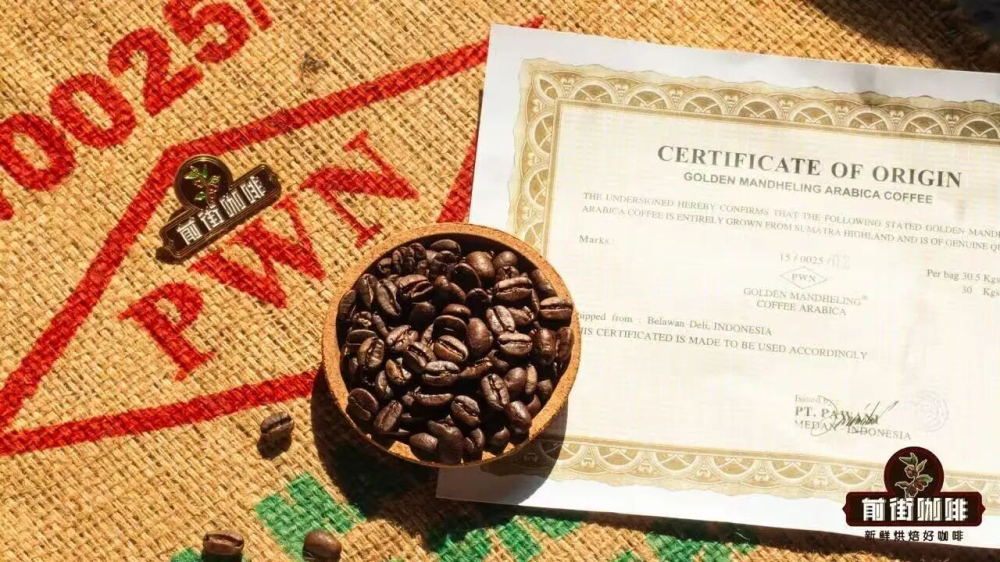
When you want to brew Mandheling at home, selecting freshly roasted beans is especially important. It's advisable to choose products clearly labeled with the roast date (rather than just an expiration date), and opt for brands that roast within the last 5 days to ensure peak flavor. For pour-over brewing, a medium grind size (close to that of fine sugar) is recommended, with water temperature controlled around 90–93°C, and an even extraction flow rate helps balance sweetness, acidity, and richness.
For those with an espresso machine, Mandheling is also a common component in blends. Combining Mandheling with Brazilian beans and a touch of Robusta not only boosts the crema but also delivers intense nutty, dark chocolate, and caramel flavors when brewing Americano or latte. This combination offers both body and smoothness, making it a classic base favored by many baristas.
Whether you choose single-origin or blends, always pay attention to roast details and processing methods. The wet-hulled method is common in Indonesian regions, especially Sumatra, lending the coffee a fuller body and unique earthy, spicy characteristics. Meanwhile, dark roasting is key to unlocking Mandheling’s aromatic potential, ideal for those who enjoy bold flavors and complex aftertastes.
Moreover, many first-time Mandheling drinkers may be struck by its initial herbal or spicy notes, even mistaking them for “off-flavors.” In reality, these are typical traits of the region and its processing method. As the coffee cools, these “intense” elements transform into more nuanced sweet and woody notes—definitely worth savoring closely.
In summary, Mandheling isn’t just a representation of a single flavor, but an excellent starting point for exploring the depth and complexity of Asian coffees. Whether you prefer the nuanced control of pour-over or the bold intensity of espresso, you can find your own coffee story within Mandheling.
The above content is compiled by CoffeeHunters, a coffee news website.


