







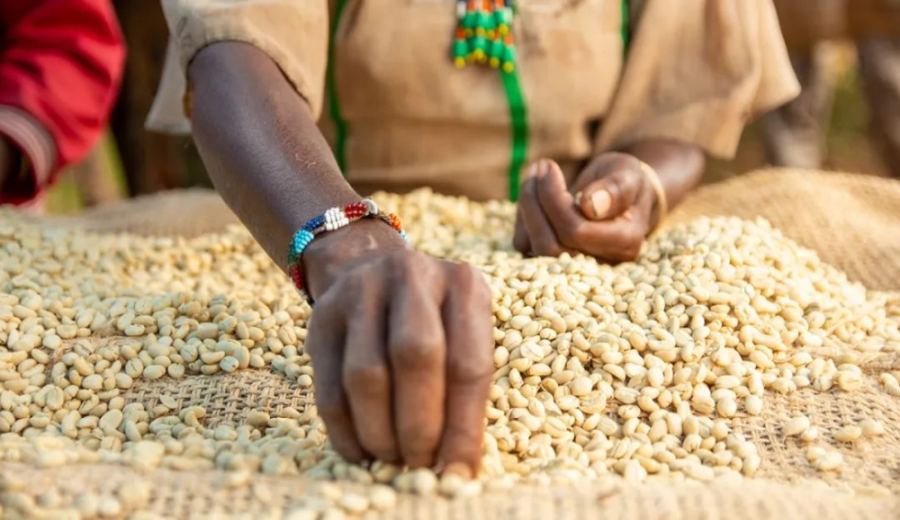
Introduction:Yirgacheffe coffee is renowned for its bright acidity and floral aroma, making it a top choice for many beginners to explore specialty coffee. This article delves into the geographical background, variety characteristics of the region, and the differences between washed and natural processing methods. It also provides practical pour over parameters for medium-light roasts, including water temperature, grind size, and a three-stage pouring technique. Additionally, it shares the golden ratio for cold brew pour over, optimal extraction time, and stirring methods, allowing you to easily brew at home a refreshing and juicy coffee with flavors reminiscent of yellow peaches and sweet oranges.
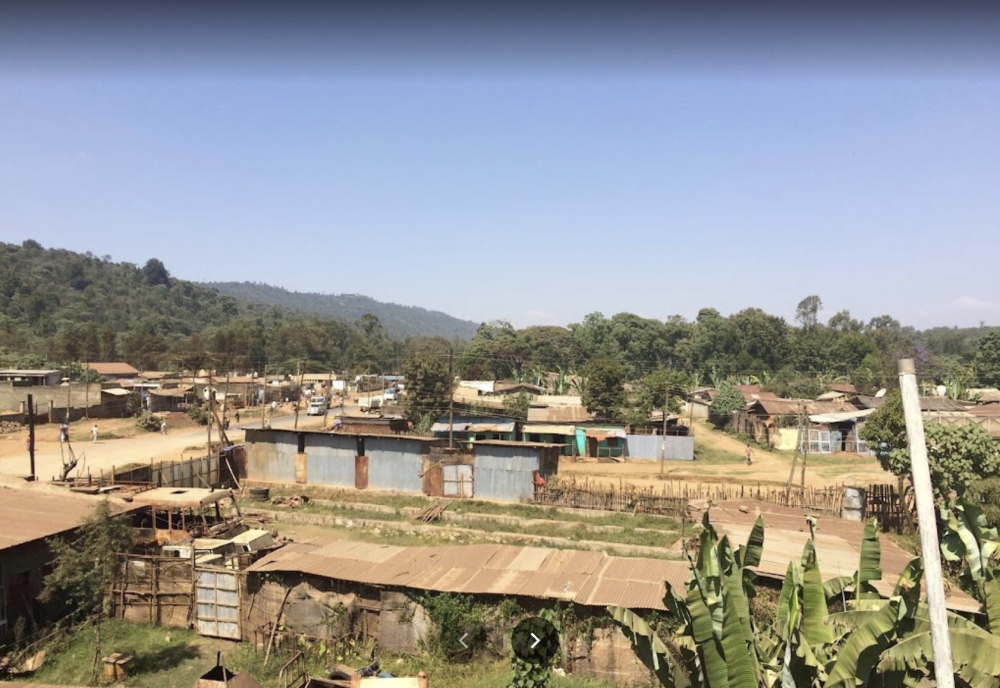
Yirgacheffe was originally just a small town in Ethiopia’s Sidamo region, but due to the bright acidity and elegant floral notes exhibited by its coffee beans, it has gradually become a star producing region sought after by coffee lovers worldwide. These coffees often feature vibrant lemon acidity, gentle floral tones, and a honey-like sweetness in the aftertaste, along with a tea-like finish, successfully breaking the stereotype that coffee must be strong and bitter.
Especially in regions where tea culture is prevalent, this juice-like coffee tends to resonate strongly. The reason Yirgacheffe can present such unique flavors is mainly attributed to three key elements: high-altitude cultivation, naturally interplanted local heirloom varieties, and traditional yet refined washed and natural processing techniques.
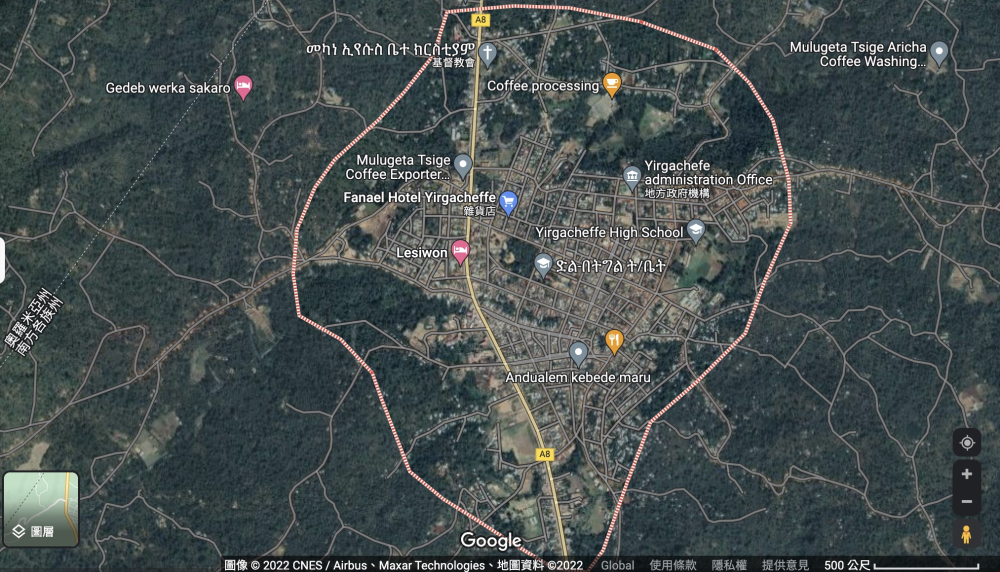
Although Yirgacheffe was once part of the Sidamo administrative region, after the Ethiopian administrative division was redefined in 1995, the area was incorporated into the Gedeo Zone (GEDEO). Nevertheless, because its coffee has long maintained a highly distinctive flavor profile, the market still commonly refers to coffee beans from this region as "Yirgacheffe."
It is worth mentioning that since 2009, the Ethiopian Commodity Exchange has implemented a flavor certification system for several micro-regions including Wenago, Yigacheffe, Kochere, Gelena~Abaya, categorizing them into two types: those possessing the “classic Yirgacheffe flavor (Yigacheffe A)” and those lacking it (Yigacheffe B). This means that coffee labeled as "Yirgacheffe" on the market today may not necessarily come from the actual town of Yirgacheffe, but can still retain similar flavor characteristics.
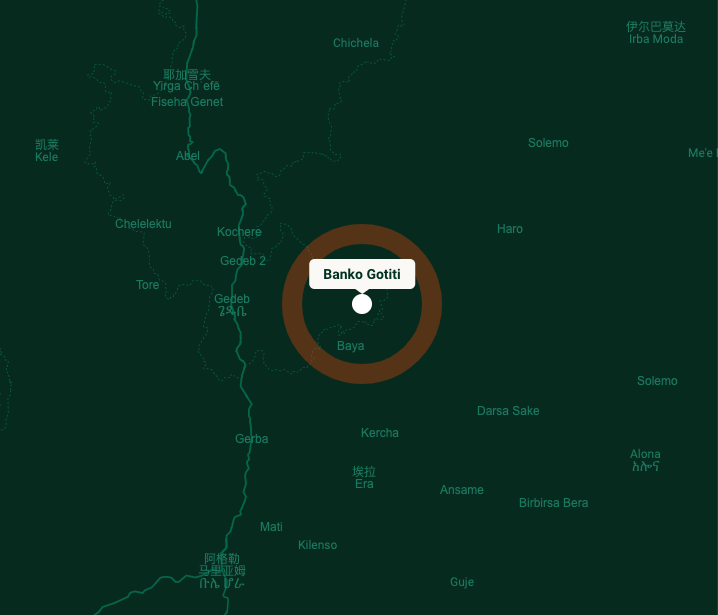
Currently, most Yirgacheffe coffees on the market are named after the producing region or cooperative, such as Kochere, Worka, Gotiti, Chelelektu, Misty Valley, Konga, etc., all of which are well-known and consistently high-quality sources. These cooperatives usually label their green coffee packaging with specific place names, helping consumers identify the origin and flavor profile of the coffee.
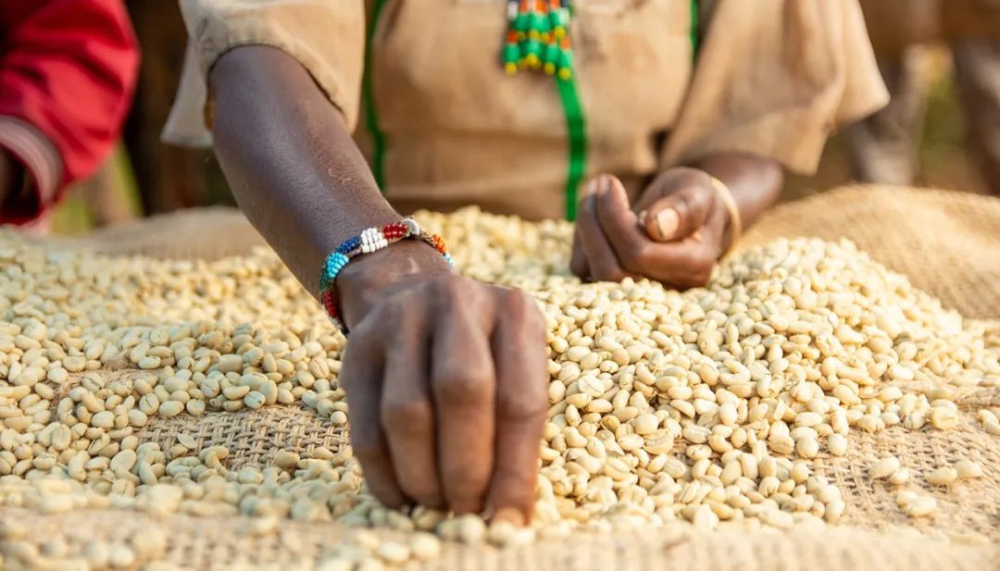
Ethiopia is one of the birthplaces of global coffee genetics and still retains a large number of unclassified and unnamed native varieties, which are generally referred to as Heirloom. Due to variations in growing environments and microclimates, the size and shape of coffee cherries in the same region also show rich diversity — a hallmark of Ethiopian coffee and a key reason for experiencing multifaceted flavors during tasting.
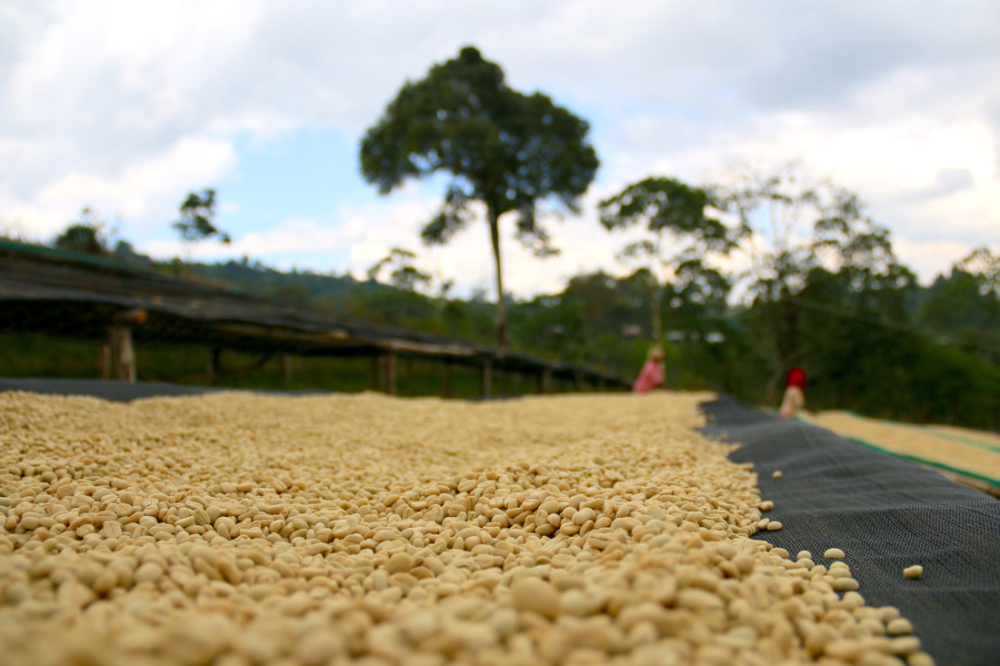
In terms of processing methods, due to local climate and infrastructure conditions, Ethiopian coffee is mostly processed using either washed or natural (sun-dried) methods. The washed process relies on stable water sources and washing tanks, where fermentation and washing remove the pulp and impurities, thereby highlighting a cleaner, brighter acidity and more consistent quality. In contrast, the natural method skips the washing step but requires precise control of the drying environment to preserve the sweetness derived from fruit sugar conversion and the soft fermented aromas.
In the Yirgacheffe region, where water resources are relatively abundant, the washed process is the mainstream. For example, the Gotiti cooperative uses high-altitude-grown, medium-light roasted washed beans, whose flavor performance is particularly outstanding.
For such high-altitude coffee beans with prominent floral and fruity profiles, it is recommended to use a water temperature of 90–91°C and a grind size roughly equivalent to 80% passing through a Chinese No. 20 sieve (similar to fine sugar). During pour over, you can adopt a three-stage pouring technique: start with a 30-second bloom using 30 grams of water, then pour 95 grams of hot water. When the coffee bed descends to about halfway, pour the final 100 grams of hot water. Maintain a small and steady stream with even circular pouring throughout the extraction to avoid over-extraction or unevenness in any spot.
Coffee brewed with these parameters typically delivers an elegant jasmine and citrus acidity upon entry, with a bright acidity clearly perceptible, a distinct sugarcane sweetness in layers, and as the temperature drops, the mouthfeel shifts toward a refreshing green tea-like sensation, with a long-lasting and memorable aftertaste.
If you want to further experience the juice-like character of Yirgacheffe, cold pour over is an excellent option. It is recommended to use the golden ratio of “coffee grounds (finely ground) + 10 parts hot water + 5 parts ice,” along with a water temperature of 91–93°C, a small stream, and a three-stage pouring method. Keep the total extraction time between 1 minute 50 seconds and 2 minutes to fully bring out the fruit acids and sweetness, creating a refreshing experience akin to iced fruit tea.
Specifically, using 15 grams of coffee as an example, the recommended powder-to-water ratio is 1:11 (total hot water 160 grams), along with about 75 grams of ice. The grind size can be referenced at around EK43s setting 9.5 (or C40 around 22 clicks). When using a Hario V60 filter, it is suggested to pour in three stages: begin with a 30-gram bloom, then pour 90 grams of hot water while gently stirring (about 5 rotations), and finally add the remaining 45 grams of hot water with a small stream. The overall extraction time is approximately 1 minute 55 seconds to 2 minutes 5 seconds.
This method allows the coffee to retain rich acidity and clear sweetness during the cooling process. The flavor profile resembles a fresh combination of yellow peaches, sweet oranges, and grapefruits. It tingles the palate upon entry and leaves a subtle tea-like aftertaste, making it highly suitable for those who enjoy bright acidity and fruity juice-like flavors.
The above content is compiled by CoffeeHunters, a coffee news website.


