







Introduction:Delve into the world of Mandheling coffee from Sumatra, Indonesia — from the high-altitude Gayo Mountain region to the traditional flavors of Lake Toba. This article explores the unique characteristics, historical background, and processing methods of each area, and reveals the true origin of the term "Mandheling." Whether you're a pour over beginner or an espresso blend enthusiast, you’ll find recommended beans and tasting directions tailored for you.
Fans of Golden Mandheling will likely be familiar with the name Sumatra, Indonesia. The coffee produced here often captivates the palate with its rich, layered roast aromas. Its flavor profile commonly features caramel sweetness, spicy notes, herbal undertones, and a roasted-hazelnut and dark chocolate finish.
Comprising tens of thousands of islands and straddling the equator, Indonesia stretches from Malaysia to Papua New Guinea, making it one of the world’s major coffee-producing countries. According to statistics from the International Coffee Organization, in 2015 Indonesia produced 12.317 million bags of green coffee beans, ranking second in Asia only to Vietnam. However, the majority of Indonesian coffee is Robusta, accounting for about 90% of total production, mostly grown in low-altitude regions such as Java and Bali. While Robusta is more disease-resistant, its flavor is generally inferior to that of Arabica. The minority Arabica varieties, however, are the focus of attention for many specialty coffee enthusiasts.
Sumatran coffee first appeared on Starbucks’ sales list as early as 1972. Its most representative flavor traits are intense earthiness and a full-bodied, wine-like richness. However, due to the common use of dark roasting, it can also bring out pronounced herbal and bitter notes, resulting in a relatively bold flavor profile.
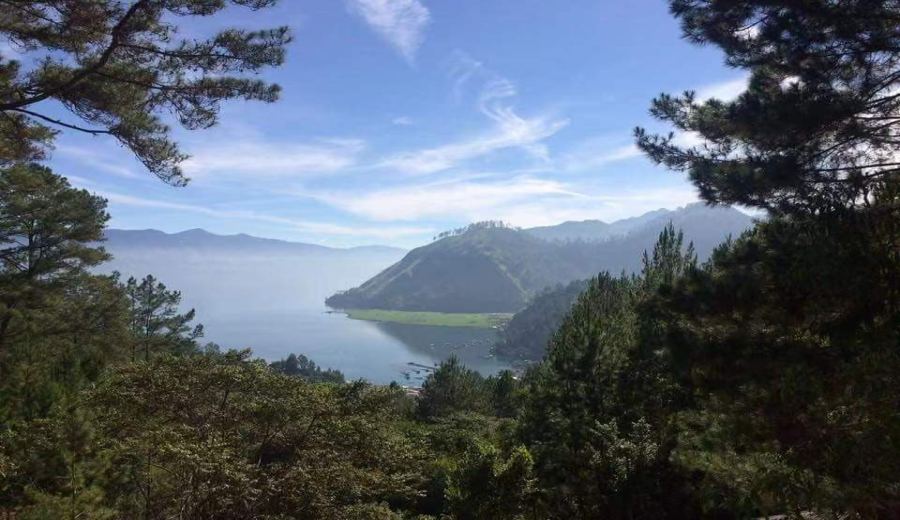
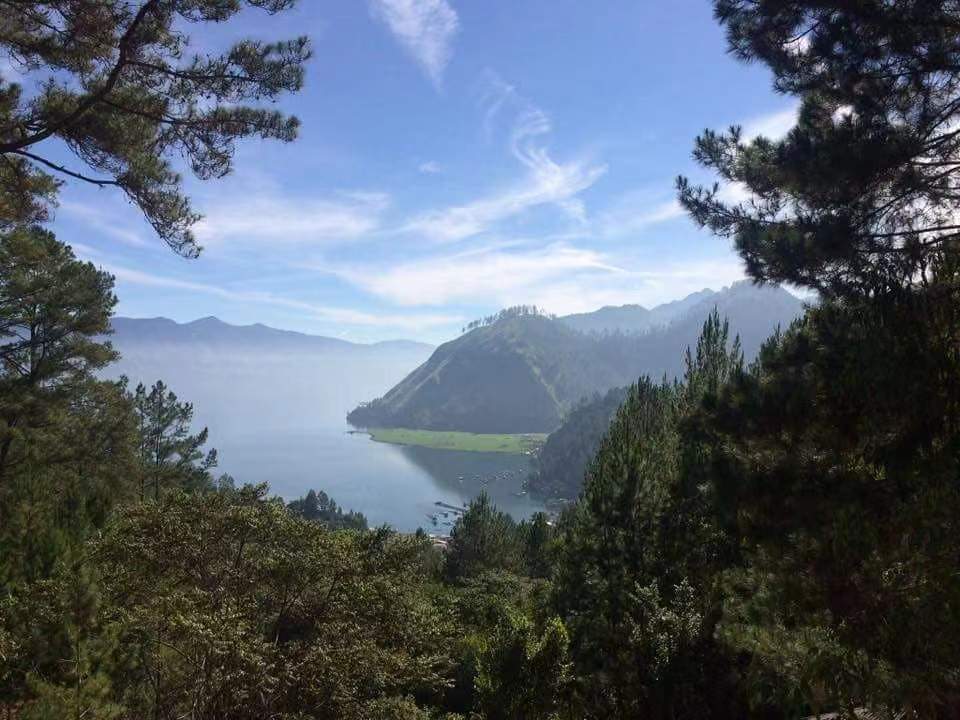
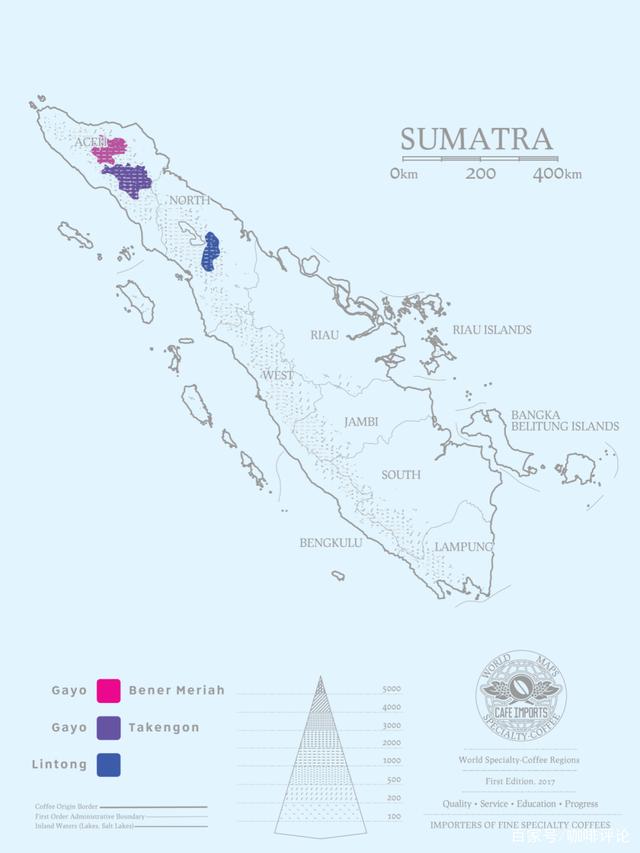
When discussing Sumatran "Mandheling," the commonly mentioned concept of the "Two Lakes, Two Mandhelings" refers to Lake Toba in North Sumatra (including the Lintong producing area), which is the "Old Mandheling" where coffee was planted earlier, and Lake Tawar in the Aceh Special Region (including the Gayo Mountain area), which represents the later-developing "Young Mandheling." Currently, the most highly regarded high-quality coffee from Sumatra is generally believed to come from the Gayo Mountain region at altitudes of 1,500 to 2,500 meters. Most of the coffee grown here comes from older tree varieties, and the local farmers are primarily from the Gayo ethnic group. The growing environment is exceptionally favorable, with fertile soil, stable rainfall, clean water sources, and convenient irrigation from Lake Tawar. The widespread adoption of organic farming without chemical fertilizers has earned the region a reputation as a green coffee-producing area. The coffee produced here is often referred to as Gayo organic coffee or green coffee.
Interestingly, the name "Mandheling" does not come from a producing region or processing plant, but rather from the name of an indigenous ethnic group on the island of Sumatra, Indonesia. Therefore, only Arabica coffee produced in Sumatra qualifies to be called Mandheling coffee — a point that many consumers often misunderstand.
The two famous lake-producing regions of Sumatra each have their own distinct characteristics: Lake Toba, located in the central part of North Sumatra Province, has been home to coffee cultivation since 1888 when Dutch colonists introduced coffee plants and moved the “Java Mandheling” variety here. This made the Lintong area and the surrounding mountainous regions around Lake Toba one of the important birthplaces of Mandheling coffee. In contrast, Lake Tawar in the Aceh Special Administrative Region, though less than one-tenth the size of Lake Toba, has gradually emerged as a rising star in the specialty coffee market in recent years due to rapid improvements in both quality and production.
In terms of coffee bean selection, the menu offers two classic Mandheling options for consumers to reference: one is the entry-level Lintong Mandheling, produced in the Lintong region, suitable for beginners who want to experience the classic flavors of Sumatra; the other is PWN Golden Mandheling, from the Gayo Mountain area, considered a high-quality choice. It is often hand-sorted multiple times, medium-to-dark roasted, and delivers rich flavors of chocolate, caramel, spices, and herbs, with a full body and layered complexity. It is highly suitable for coffee lovers who enjoy darker roasts. Both beans can be purchased through common online channels.
If you’re new to Mandheling, it’s recommended to start with the affordable and approachable Lintong Mandheling to get a sense of the basic flavor profile of Sumatran coffee. If you’re already a Mandheling enthusiast, you might want to try the carefully selected Golden Mandheling to experience a higher level of flavor complexity.
Additionally, for coffee aficionados who regularly use espresso machines or moka pots, there is also a classic espresso blend that combines beans from Brazil, Indonesia, and Vietnam, all dark roasted. This blend fully showcases intense coffee aroma and a rich mouthfeel, and it easily produces a fine and velvety crema, making it ideal for preparing Americanos or milk-based coffees like lattes. It’s a practical everyday brewing option.
The above content is compiled by CoffeeHunters, a coffee news website.


