








Introduction:As Ethiopia’s most iconic specialty coffee region, Yirgacheffe is renowned for its bright acidity and delicate floral notes. This article delves into its unique geographical and climatic conditions, compares the flavor profiles of washed and natural processing methods, and provides practical V60 pour over parameters to help coffee enthusiasts consistently brew a bright and sweet Yirgacheffe at home. It’s a great reference for both beginners and those looking to deepen their understanding of Ethiopian beans.
Yirgacheffe is one of Ethiopia’s most representative specialty coffee regions, characterized by its jasmine floral aroma and citrus acidity. Located at an altitude of approximately 1,700 to 2,100 meters above sea level, its unique microclimate creates a layered and long-lasting cupping experience, often described as “a burst of blossoms upon drinking.” This article will detail the region’s geography and climate, analyze the flavor differences between washed and natural processing, and offer detailed V60 parameters suitable for home brewing—so you can make a vibrant and lively Yirgacheffe at home.
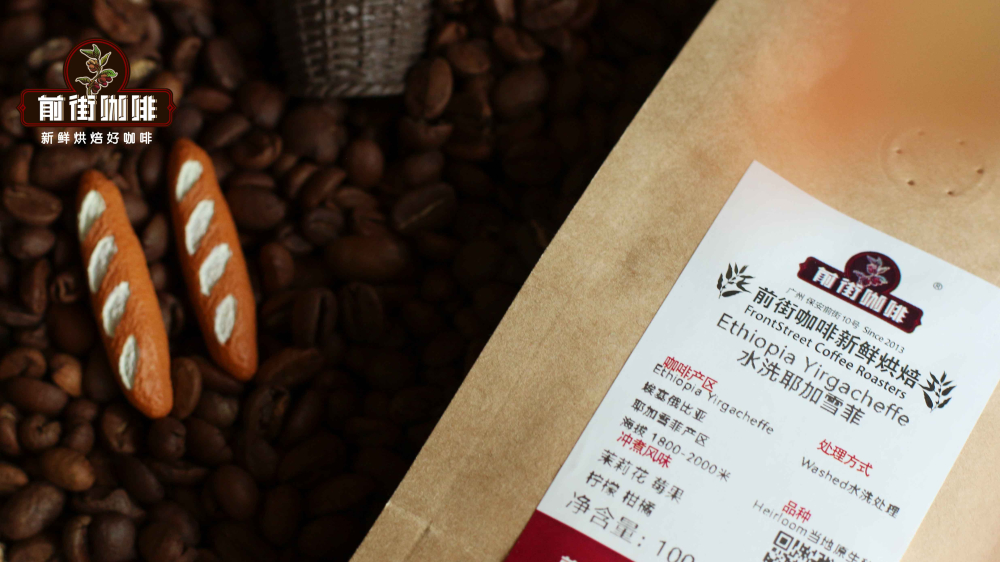
Many coffee lovers who have tried Yirgacheffe note that although the beans are small, their flavors are exceptionally rich and delightful. The aroma is multi-dimensional, often featuring prominent jasmine notes, with acidity as clear as lemon or lime, accompanied by the sweetness of stone fruits like peach and almond. The finish may even hint at the fragrance of tea. In terms of mouthfeel, it has a medium body with a silky texture, clean and lively on the palate—neither overpowering nor lacking in character. Like an elegant fruit-infused black tea, it leaves a lasting impression. These refined sensory experiences are part of why Yirgacheffe is often a go-to choice for those new to specialty coffee.
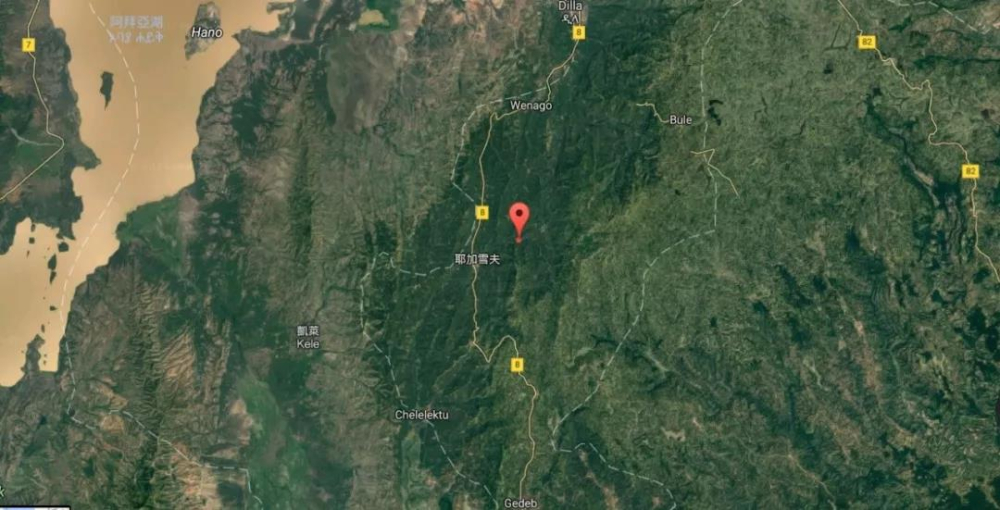
Yirgacheffe is located in central Ethiopia. Though it originally started as a small town at an altitude of 1,700 to 2,100 meters, it has since become a mecca for specialty coffee enthusiasts worldwide. In the local language, “Yirga” means “to settle down,” and “Cheffe” refers to “wetlands,” reflecting the region’s long-standing abundance of water and favorable climate. The distinctiveness of its coffee is inseparable from its microclimate and farming practices. Farmers often intercrop coffee trees with bananas and other plants, creating a unique agricultural landscape. Coupled with frequent mountain mist and significant day-night temperature variations, the environment is ideal for Arabica cultivation, making Yirgacheffe one of Ethiopia’s most iconic coffee regions.

Interestingly, Yirgacheffe was originally part of the Sidamo region but eventually stood out due to its exceptional flavor profile and became an independent region. In the early days, these coffees were mostly introduced and cultivated by European monks, later managed by local farmers and cooperatives. The coffee cherries are typically harvested nearby in villages, then consolidated by local traders, and finally exported under the name “Yirgacheffe,” serving as a window for the world to discover Ethiopian specialty coffee. The coffee from this region is not only highly praised in international markets but also a classic flavor benchmark for many coffee aficionados.
In terms of processing methods, Yirgacheffe originally relied on traditional natural (dry) processing. However, since the introduction of washed processing in 1972, washed beans have gradually become the mainstream. Washed processing involves removing the pulp and mucilage, thoroughly washing the parchment beans with water, and then drying them on raised beds. This results in a cleaner, brighter acidity and a more refreshing flavor. For those who prefer bright fruit acidity and tea-like characteristics, washed Yirgacheffe—such as the commonly available “Guji Dingding”—is an excellent choice. In contrast, natural processing, though simpler and relying mostly on sun drying, preserves more sugars from the fruit pulp, yielding a richer sweetness and complex berry notes. For example, “Red Cherry” natural beans showcase a rounder and fuller flavor profile, ideal for those who enjoy intense fruit aromas.
The washed processing workflow typically includes removing the outer skin and pulp of the coffee cherry while retaining the mucilage layer. The parchment beans are then soaked and repeatedly washed until the mucilage is completely removed, followed by slow drying on raised beds. This method significantly reduces defect rates and enhances the clarity and brightness of the coffee’s flavor—a key factor in Yirgacheffe’s refreshing taste. Natural processing, with fewer steps, usually involves sun-drying the whole coffee fruit until the moisture content drops to a safe level. This method is common in areas with limited water or abundant sunlight and still accounts for a significant proportion in Ethiopia. Both processing methods have their merits, showcasing distinctly different flavor profiles.
To successfully brew a high-quality Yirgacheffe at home using pour over, selecting the right beans is only part of the equation—brewing parameters and technique are equally crucial. First, opt for freshly roasted beans within five days of the roast date, as coffee flavors develop over time, with the optimal flavor window typically between 4 to 7 days post-roast. When using a V60 filter, you can refer to the following tested parameters: water temperature around 90°C, a brew ratio of 1:15 (coffee to water), with 15 grams of coffee as the baseline. Use a grind size that allows 80% of particles to pass through a standard Chinese No. 20 sieve—equivalent to a medium-fine grind—to balance extraction and flavor expression.
For the actual brewing process, start by pouring hot water equal to twice the coffee weight (about 30 grams) for the bloom, letting it sit for about 30 seconds. This step helps release CO₂ from the coffee grounds, ensuring stable extraction afterward. Then, pour water in small streams in a circular motion from the center outward. When the total water volume reaches 125 grams, perform the first pour pause, then continue pouring until you reach 225 grams. Once the water has completely dripped through the filter, remove the V60. Keep the total brew time around 2 minutes. These parameters help highlight Yirgacheffe’s bright acidity and delicate floral notes, ideal for coffee lovers seeking balance and complexity.
If you choose washed Yirgacheffe, such as “Guji Dingding,” its flavors are dominated by citrus and white floral notes. As the cup cools, you may detect creamy and caramel-like sweetness, along with a green tea-like finish. On the other hand, the natural “Red Cherry” showcases more intense fermented fruit aromas, with added berry-like tartness on the palate and a longer-lasting creamy finish. Regardless of the processing method, using freshly ground beans is recommended for the best flavor. If you must use pre-ground coffee, consume it promptly to avoid oxidation affecting the taste. By mastering these details, you can easily enjoy an exceptional Yirgacheffe experience at home.
The above content is compiled by CoffeeHunters, a coffee news website.


