







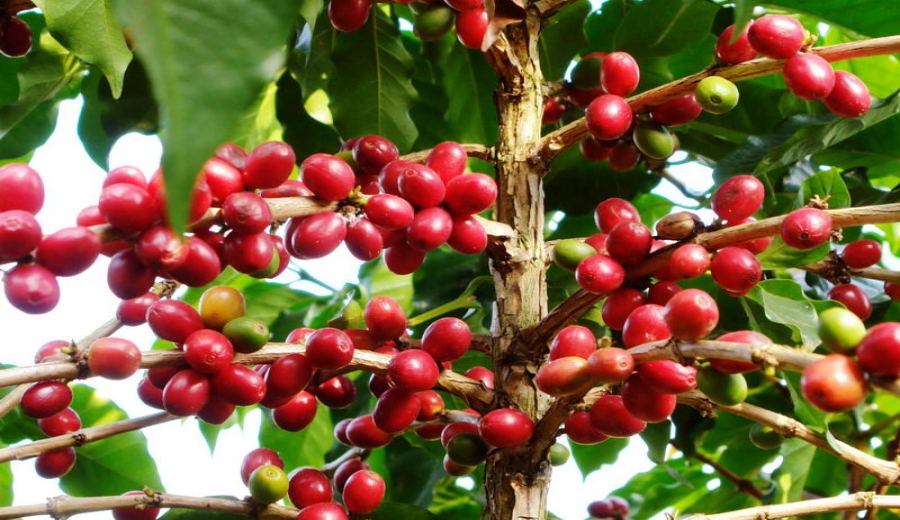
Introduction:Delve into the variety background, growing region environment, and auction history of the Guatemalan El Injerto Estate Geisha coffee. Learn about the flavor profiles and pour over parameters of the medium-light roasted Huehuetenango and Gesha. This article analyzes everything from the planting soil and microclimate to the washed processing method, taking you on a complete journey from origin to cup to experience the charm of specialty coffee.
Thanks to its unique volcanic soil and diverse microclimates, Guatemala has become one of the world’s premier origins for specialty coffee, and the El Injerto Estate is one of its finest representatives, having won the COE (Cup of Excellence) competition multiple times. Its Geisha variety is a star in the international auction market. This article will take an in-depth look at the origins of the El Injerto Geisha, the characteristics of its growing region, and provide practical pour over brewing recommendations to help coffee enthusiasts gain a more comprehensive understanding of this top-tier bean.
Guatemala is located in the heart of Central America, bordering countries such as Mexico and Honduras. Its terrain is dominated by highlands and volcanic landscapes, with a climate that includes both tropical and subtropical zones and distinct wet and dry seasons, providing excellent conditions for coffee cultivation. Coffee exports make up a significant portion of the country’s agricultural output, with high-altitude regions generally producing coffee with complex fruit acidity and rich body. The Huehuetenango highlands, where the El Injerto Estate is located, is a representative specialty coffee region.
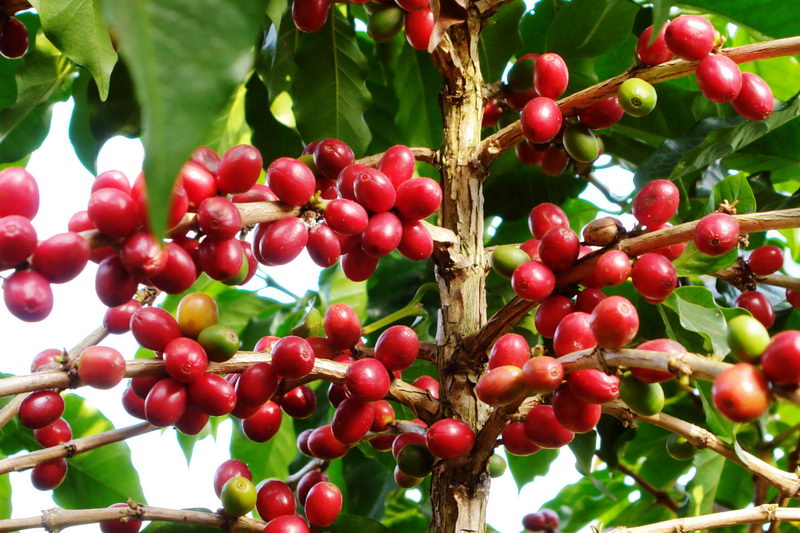
The El Injerto Estate is renowned for producing high-quality Geisha, which originates from both Panama and Malawi. Among them, the highly anticipated “Young Gesha Central America” was introduced from seeds sourced at Panama’s famous Finca La Esmeralda and planted in the estate’s remote micro-lot called “Peña Blanca.” This area is located on the edge of a cliff, offering wide views, and is a newly developed zone that only began its second harvest in 2023. The seeds come from the estate’s renowned La Calaca area and are considered second-generation Geisha. This batch of Geisha was auctioned separately by the estate and distinguished from another batch of African Geisha sourced from Malawi.
Since the early 2000s, the El Injerto Estate has won awards at the COE competition numerous times, accumulating nine wins and five championship titles, including the top honor in 2015. Over the years, its main planted varieties have evolved from early Bourbons, later Pacamara, to recent focus on Geisha. The 2016 auction lot of Geisha drew significant international attention.
The Geisha variety was first discovered in 1931 in the Gesha Forest of Ethiopia, later passing through Kenya, Uganda, Tanzania, and Costa Rica, before finally being introduced to Panama in the 1960s. It gained widespread fame in 2004 when Finca El Bosque won big at the BOP competition. Today, the Geisha grown at El Injerto not only retains the variety’s distinctive floral and tea-like qualities but also exhibits extreme finesse and complexity due to its unique microclimate and high altitude.
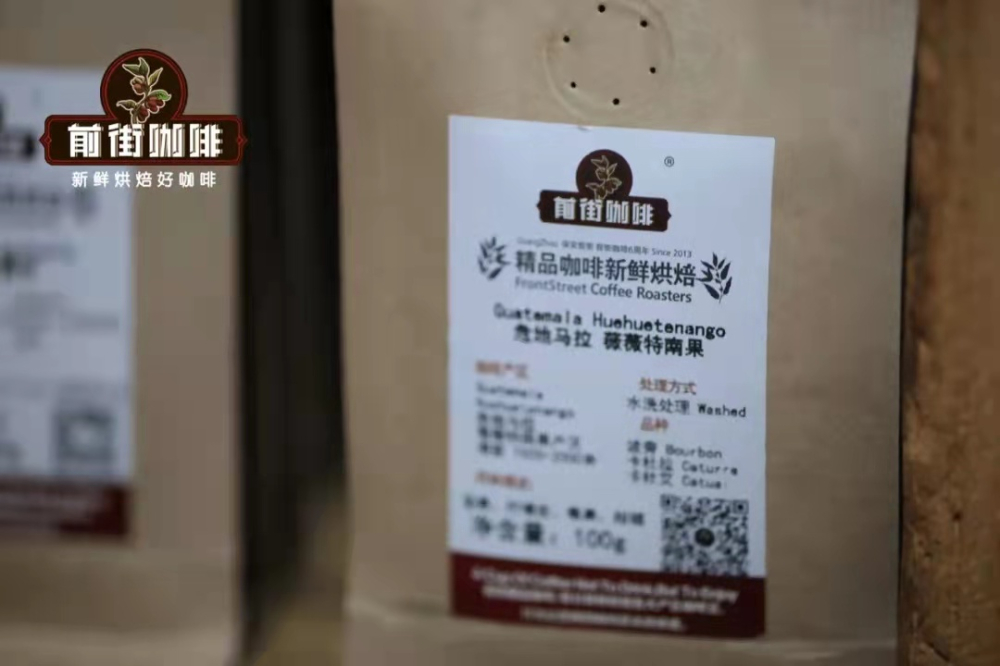
Guatemala can be divided into eight major coffee-growing regions, five of which are volcanic: Antigua, Acatenango, Atitlan, Volcanic San Marcos, and Fraijanes. The non-volcanic regions include three: Huehuetenango, Coban, and New Oriente. Due to the diversity of microclimates, each region’s coffee has a unique personality, but overall, they are known for their mild and rich body, bright fruit acidity, and delicate aromas. Among them, Antigua coffee is regarded as a classic representative.
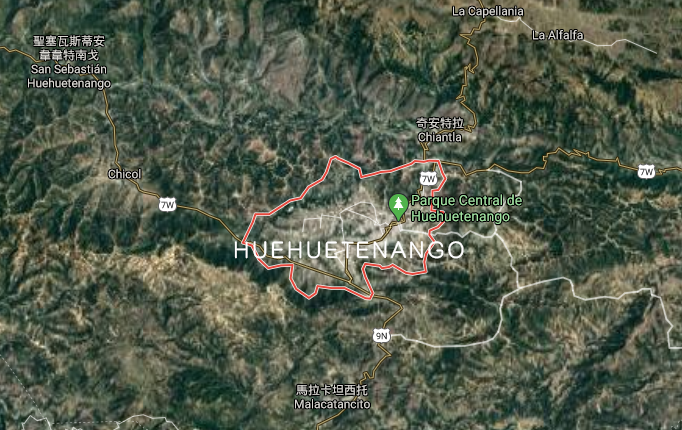
As the highest-altitude and driest non-volcanic region, Huehuetenango reaches elevations of over 2,000 meters. Influenced by the dry, hot winds from nearby Mexico, it avoids frost damage even at high altitudes, making it suitable for growing dense, high-quality coffee beans. A well-known coffee brand once selected the washed beans from this region as a national representative, showcasing clear citrus and berry acidity, nutty notes in the mid-palate, and a tea-like sweet aftertaste.
The main varieties planted in Guatemala include Bourbon, Typica, Caturra, and Catuai. Bourbon beans turn wine-red when ripe, have a rounder shape, and often exhibit wine-like aromas and bright acidity when grown at high altitudes. Typica is one of the oldest Arabica varieties, known for its excellent cup quality but low yield and susceptibility to rust disease. Caturra is a natural mutation of Bourbon, with a shorter tree structure but higher yield, weaker disease resistance but widely planted in Central and South America. Catuai is a hybrid of Caturra and Mundo Novo, offering good disease resistance and balanced acidity.
In terms of processing methods, Guatemalan coffee mostly uses washed processing. The process involves removing the skin and pulp, fermenting with mucilage for about 24 hours, washing with clean water, and then drying either in the sun or using machines until the moisture content reaches around 12%, followed by parchment removal. This method highlights a clean and bright taste, making it ideal for beginners to understand the basic flavor characteristics of the region.
For pour over brewing, it is recommended to use medium-light roasted Guatemalan coffee beans to preserve their rich floral and fruity aromas and clear acidity. Industry practice suggests using a V60 filter cone, with a water temperature of 91°C, medium-fine grind (approximately 80% passing through a #20 sieve), and a coffee-to-water ratio of 1:15. Specifically, a three-stage pouring method can be used: start with a 30-second bloom using twice the weight of coffee (e.g., 60g water for 30g coffee), then pour in a small circular motion up to 125g, followed by pouring up to a total of 225g. The total brew time should be controlled around 2 minutes. These parameters balance sweetness, acidity, and body, showcasing the coffee’s multi-layered flavors.
In summary, the Guatemalan El Injerto Geisha not only offers exceptional floral and tea-like qualities, but its growing environment, varietal evolution, and processing techniques are also worthy of deeper exploration. Whether you’re a enthusiast seeking competition-level specialty coffee or a beginner hoping to explore the pour over flavors of medium-light roasted beans, this Geisha from a high-altitude micro-lot promises an unforgettable taste experience.
The above content is compiled by CoffeeHunters, a coffee news website.


