







Introduction:Geisha coffee is renowned for its distinctive floral aroma, bright acidity, and lingering aftertaste, making it a dream brew for many coffee enthusiasts. However, its high price often deters people from trying it. This article selects three affordable, everyday-friendly or entry-level Geisha coffee beans priced under ¥100, sourced from Panama and Ethiopia. It details their regional characteristics, distinct flavor profiles, as well as recommended brewing methods and parameters to help readers choose the most cost-effective Geisha option based on their budget and taste preferences.
In the world of specialty coffee, Geisha is undoubtedly one of the most celebrated varieties. With its delicate yet rich floral notes, crisp and vibrant acidity, along with a long-lasting sweetness and aftertaste, Geisha has become the pinnacle choice for many coffee aficionados. However, precisely because of its fame, its price tends to be steep, making it an occasional treat rather than a daily staple for most. If you wish to experience the charm of Geisha within a reasonable budget, this article introduces three highly cost-effective options all under ¥100, originating from Panama and Ethiopia. Each bean’s regional background, flavor features, and ideal brewing methods are explained to help you easily find the Geisha coffee that suits you best.
 Geisha was originally discovered in the Gesha forest of Ethiopia and later introduced to Panama, where it gradually gained international recognition, especially under high-altitude cultivation at Panama's Hacienda Esmeralda, showcasing exceptionally refined flavor profiles. However, what many may not know is that Panamanian Geisha and the native Ethiopian Geisha are actually different varieties — despite sharing the same name, they differ significantly in aroma, acidity, and overall taste. In addition, factors such as regional climate, altitude, processing methods, and even farm management practices directly influence the final cupping performance.
If you’re looking for a daily-drinking or first-time Geisha pour over bean, here are three popular, budget-friendly options worth considering: , , and . All feature clear and recognizable flavor profiles, offer excellent value, and are perfect for entry-level or everyday enjoyment.
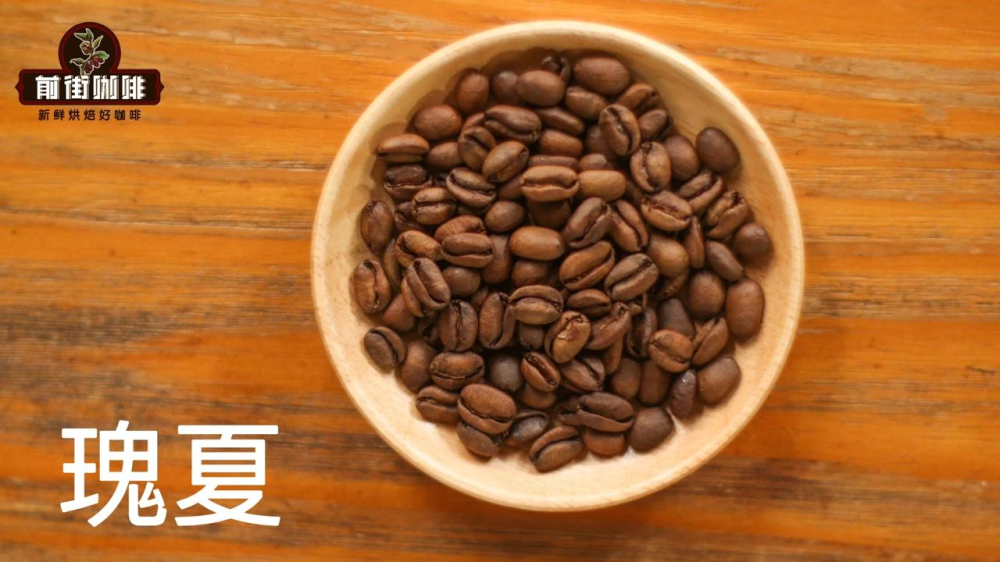 The first recommendation is , sourced from Panama’s renowned Boquete region. This 100% purebred Geisha bean boasts prominent white floral notes, honey-like sweetness, citrus tones, and a notable orange and caramel finish. This bean is particularly suited for coffee lovers who enjoy fresh and bright flavor profiles, fully showcasing the elegant floral and fruity characteristics that Geisha is best known for. It is recommended to use a medium-light roast, paired with the pour over method, with a medium-fine grind (such as the Blue Bottle standard), water temperature controlled at 90–92°C, and a 2:1 coffee-to-water ratio to fully release its delicate aromas and layered complexity.
The second option is , produced at the Geisha Village Estate in Ethiopia. This farm is located close to the original birthplace of Geisha, so its flavor profile incorporates many traits of native Ethiopian varieties. It exhibits vibrant floral notes, citrus acidity, and fruit tones such as strawberry, orange, and ripe plum, along with a hint of natural fermentation aroma. This Red Label Geisha is particularly well-suited for pour over brewing, and it is recommended to use a light to medium-light roast with water temperature around 88–90°C to more clearly highlight the layers of fruit acidity and aroma.
The final option is , also from Ethiopia. The standout feature of this bean is its sun-dried (natural) processed version. With a light roast, it emphasizes fruity notes, particularly yellow peach, citrus, and guava flavors, making it ideal for those who enjoy bright and pronounced fruitiness. It is recommended to brew via pour over or cold brew to better bring out its refreshing fruit character. Alternatively, if roasted to a medium level, it transforms into a Geisha SOE (Single Origin Espresso), suitable for making espresso. In this case, the flavor shifts to dried apricot, caramel, and nutty notes, appealing to those who prefer a rich and bold profile. For espresso extraction, it is recommended to use a moka pot or semi-automatic coffee machine, adjusting the grind to medium-fine and ensuring even tamping to achieve optimal flow rate and pressure.
In summary, the charm of Geisha coffee lies in its versatile flavor potential. Whether it's the fresh floral and fruity notes or the rich caramel and nutty tones, these characteristics can be vividly expressed under different regional and processing interpretations. For coffee enthusiasts on a budget who still wish to explore the allure of Geisha, these three ¥100-tier options not only deliver outstanding flavors but also offer great value. They are excellent choices for everyday drinking or as your first step into the world of Geisha.
The above content is compiled by CoffeeHunters, a coffee news website.


