







Introduction:Yirgacheffe is the gateway coffee variety for many beginners to specialty coffee, renowned for its distinctive citrus acidity and white floral notes. This article delves into this classic Ethiopian coffee, exploring its regional history, native varietal characteristics, and the flavor differences between its two primary processing methods—washed and natural. It also provides practical pour over parameters for medium-light roasts to help you fully grasp the charm of Yirgacheffe and master its brewing essentials.
The name Yirgacheffe is more than just a geographical location for many coffee enthusiasts—it symbolizes a flavor profile. With its bright citrus acidity and delicate white floral aromas, this refreshing and refined expression often serves as many people’s first step into the world of specialty coffee. If you’ve ever savored a cup where sweet and sour balance and floating floral notes create a magical experience, chances are it came from Yirgacheffe.
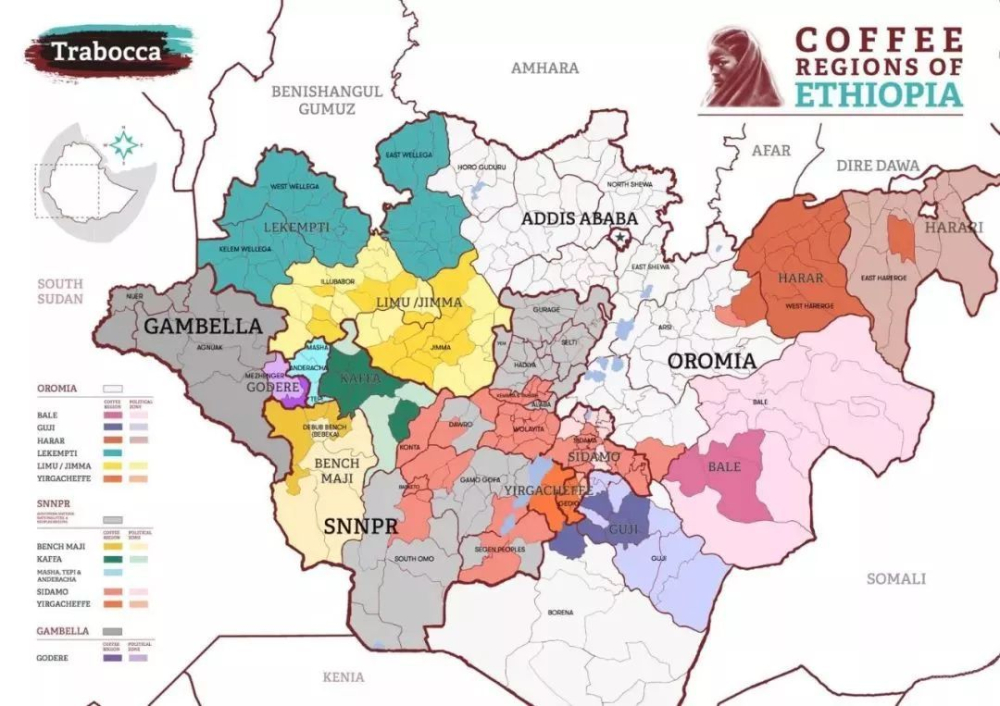
The allure of Yirgacheffe lies not only in its unique flavor but also in the rich regional culture and the evolution of its processing techniques. Originally part of the Sidamo region, Yirgacheffe stood out due to its exceptionally distinctive flavors and eventually became an independent and highly regarded coffee-producing area within Ethiopia. Situated at an altitude of around 2,000 meters, it ranks among the highest coffee-growing regions in the world. The cool, pleasant climate and frequent fog create ideal natural conditions that shape the unique character of Yirgacheffe coffee beans.
Interestingly, the name Yirgacheffe actually comes from a highland town. In the local ancient language, “Yirga” means “to settle down,” and “Cheffe” refers to “wetlands.” Thus, the name can be directly translated as “a place settled in the wetlands.” This town, once a wetland, has now become a holy land for specialty coffee.
In the early days, almost all Yirgacheffe coffee was processed using the traditional natural (sun-dried) method, where the entire coffee cherry was dried in the sun, allowing the sugars in the fruit pulp to penetrate the seeds. However, in the 1970s, to improve consistency and quality, the region introduced washed processing techniques from Central and South America. In the washed method, the coffee cherry is first depulped to remove the skin and flesh, then fermented in water tanks to remove the mucilage layer, and finally dried. This method significantly enhances the coffee’s clarity and bright acidity, making Yirgacheffe’s floral and fruity acidity more pronounced, and earning it the favor of many coffee aficionados.
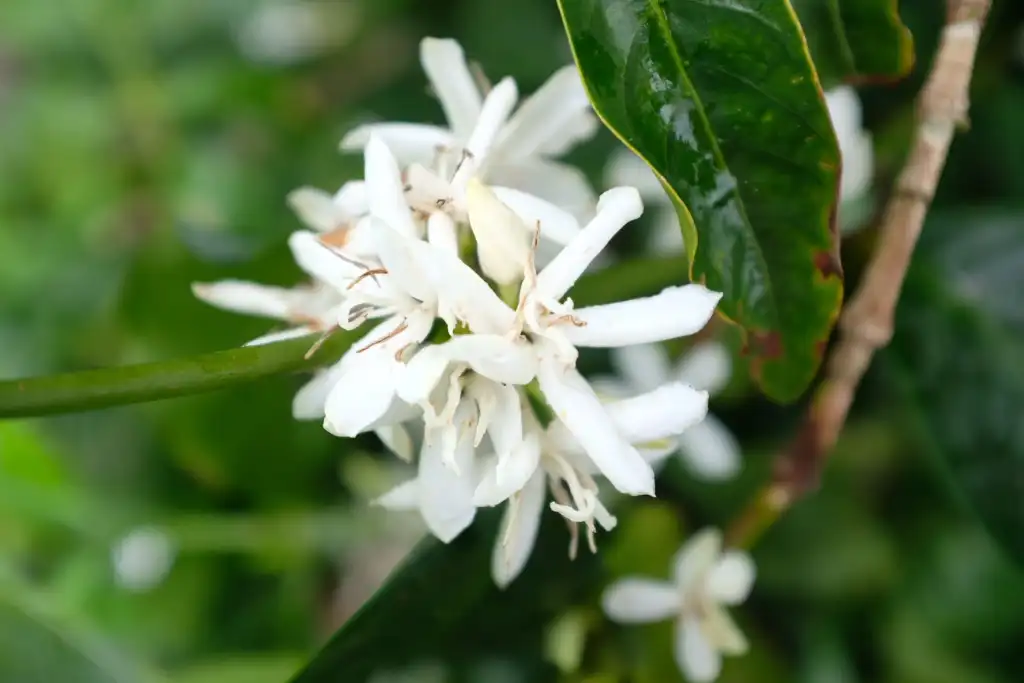
Washed and natural are the two most common processing methods for Yirgacheffe coffee, and the flavor differences they produce are striking. Washed Yirgacheffe typically exhibits cleaner acidity, higher clarity, and bright citrus and white floral notes, with a refreshing aftertaste—ideal for those who prefer lighter, more delicate flavors. In contrast, natural Yirgacheffe retains the whole fruit flesh and mucilage, accumulating more sugars and fermentation aromas during drying. As a result, it often features intense berry tones, honey sweetness, and even subtle hints of wine-like and fermented notes, resulting in a richer and more complex flavor profile.
Within the Yirgacheffe region, there are numerous estates and cooperatives, such as the Red Cherry Project, Guji Dandi Cooperative, Worka Cooperative, Kochere & Konga Cooperative, and others. These producers each have distinct microclimates and processing methods. Even when using the same processing technique, slight variations in origin can lead to dramatically different flavor profiles.
Additionally, the “local native varietal (HEIRLOOM)” labeled on many Yirgacheffe coffee packages is a common point of curiosity for consumers. Known in Chinese as “当地产区原生种” or simply “native variety,” HEIRLOOM actually refers to the many ancient Arabica coffee varieties found in Ethiopia. Most of these varieties have never undergone modern genetic classification, with estimates exceeding ten thousand types. Due to their high genetic diversity and protected variety information by the government, they are collectively referred to as “native varieties” or “heirlooms.” This diversity is also one of the key sources of Yirgacheffe’s unique flavors.
When brewing Yirgacheffe, which is usually medium-light roasted, it is recommended to use a higher water temperature and finer grind size to fully extract its acidic compounds and delicate aromas. In practice, it is suggested to use a Hario V60 filter, with water temperature controlled at 90°C, a coffee-to-water ratio of approximately 1:15, and a grind size of about 80% passing through a Chinese No. 20 sieve. This combination effectively balances acidity and sweetness, showcasing the most captivating flavor layers of Yirgacheffe.
The specific brewing steps are recommended as follows: Begin with a 30-second bloom by pouring about 30 grams of hot water to release carbon dioxide from the coffee grounds. Then, slowly pour water in a circular motion from the center outward, adding water up to 125 grams. Once the water level drops, pour again until reaching a total of 225 grams. The overall extraction time should be kept around 2 minutes. This method not only improves extraction efficiency but also helps avoid over-extraction or unwanted off-flavors.
Whether you’re a beginner just starting to explore specialty coffee or an experienced enthusiast, gaining an in-depth understanding of Yirgacheffe’s regional background, processing differences, and suitable brewing methods will allow you to more fully appreciate the unique charm of this classic coffee. From a burst of fresh citrus and floral notes to the delicate sweetness in the aftertaste, Yirgacheffe offers not just a sensory delight, but also a deep journey into the world of coffee.
The above content is compiled by CoffeeHunters, a coffee news website.


