







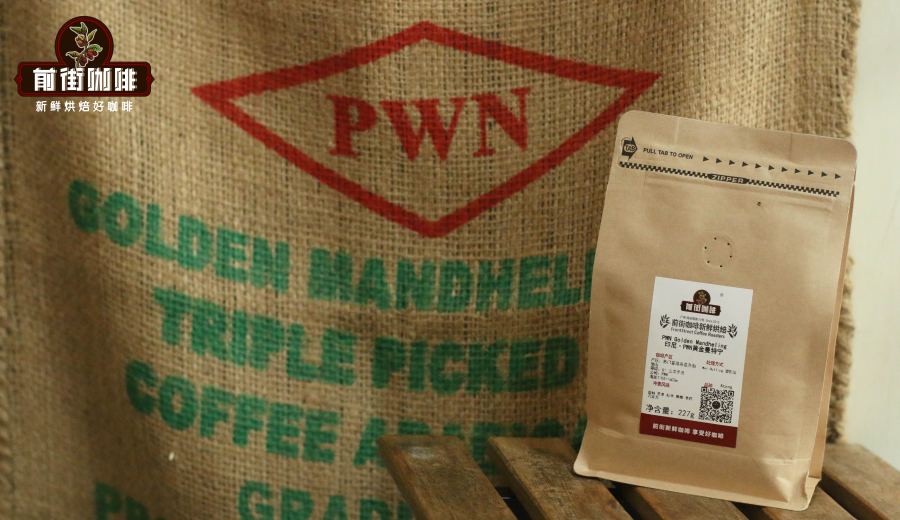
Introduction:Golden Mandheling is not a coffee grading term, but rather a well-known trademark owned by Indonesia’s PWN company, representing high-grade G1 quality Sumatran Mandheling. This article delves into its origins, key roasting factors, and brewing methods—from setting roast curves and controlling caramelization reactions to the complete steps of making an iced latte with a moka pot—to help you grasp the flavor potential and brewing techniques of this classic bean.
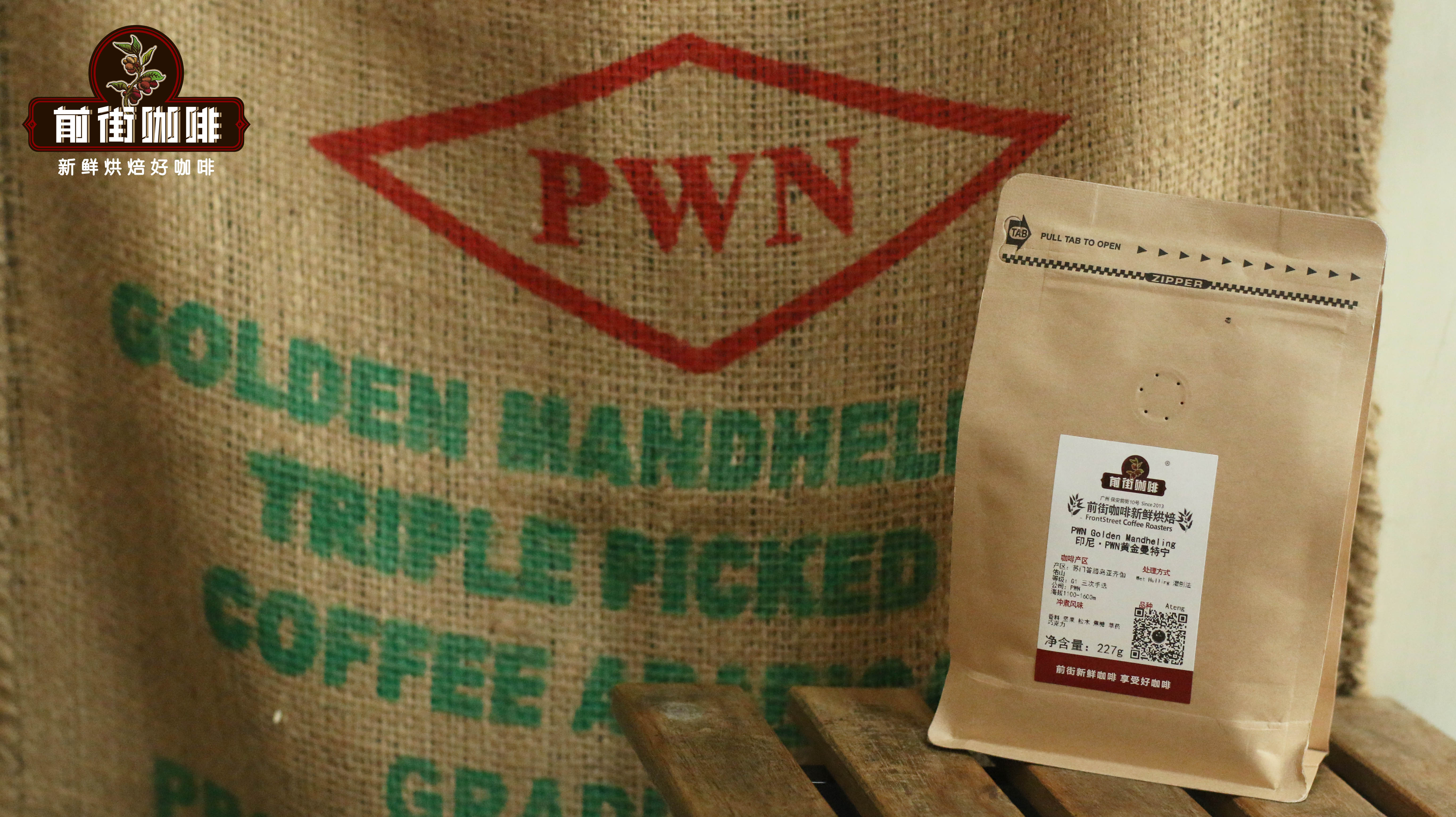
The name “Golden Mandheling” often leads people to assume it’s a coffee grade classification, but it is actually a trademark registered and owned by Indonesia’s Pusat Niaga Wangi (N.V. Pawani Medan), abbreviated as PWN. Established in 1957, PWN was the first Indonesian company dedicated to exporting coffee exclusively from North Sumatra, and it played a crucial role in successfully promoting “Mandheling coffee” in the Japanese market. Since 1977, the company has focused on exporting premium coffee beans, primarily supplying markets in Japan, Chinese Taipei, and the United States, with Japan and Chinese Taipei together accounting for over 90% of its total exports. In these regions, “PWN” is almost synonymous with a guarantee of quality.
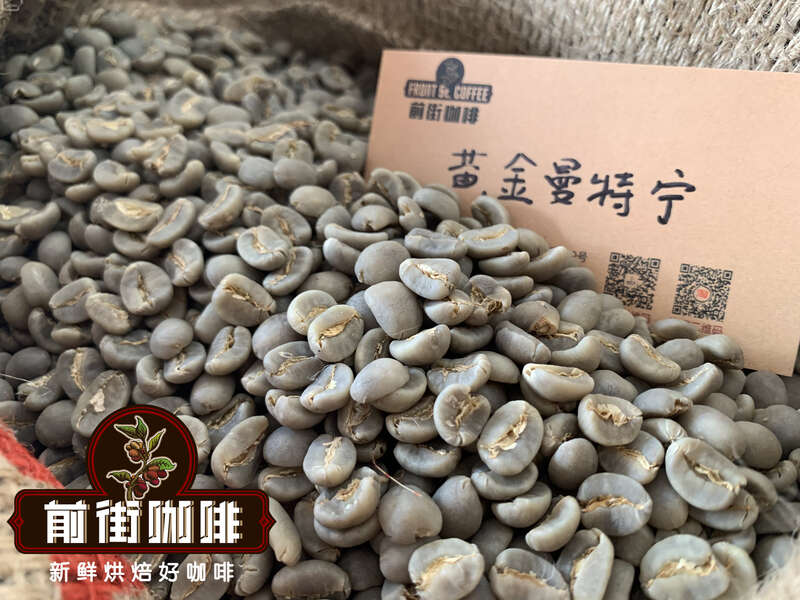
The Golden Mandheling sourced by a certain coffee merchant is the authentic product from PWN, classified as the highest grade G1. After harvesting and initial processing, these beans undergo at least three rounds of manual selection to ensure each bean meets the specification of 18 mesh or above, with no more than three defective beans per 300 grams of green beans—reflecting very strict quality control. These green beans have a relatively dark green color, feature uniformly flat shapes, and possess a comparatively higher moisture content, so special attention must be paid to controlling the dehydration phase during roasting.
When roasting Golden Mandheling, the priority is to ensure the beans are evenly heated from the inside out, which is referred to as “through” roasting. This not only allows the beans to be roasted just right but also fully brings out their unique flavor characteristics. Due to the higher moisture content of this bean, it is recommended to close the air vent for about 30 seconds after loading the beans to allow for steaming, then adjust the air vent to level 3. As the green beans gradually turn light green or white, you can open the air vent to level 4; when first crack begins, it is advised to set the air vent to the maximum level 5 to ensure stable roasting and full flavor development.
The key stages affecting coffee flavor are primarily the caramelization reaction and the thermal decomposition reaction. When green beans have absorbed substantial heat energy for about six to seven minutes of roasting, the thermal decomposition reaction kicks in. At this point, the first crack occurs, some sugars convert into carbon dioxide, moisture continues to evaporate, new aromatic compounds begin to form, and coffee oils are produced. These oils then combine with various aromatic components such as nicotine acid, citric acid, quinic acid, malic acid, acetic acid, and caffeine to form the rich flavor profile of Golden Mandheling.
However, the thermal decomposition reaction continues into the second crack stage. While caramelization is crucial for awakening aroma, if the roasting time is too long, some components may become overly carbonized, resulting in unpleasant astringent bitterness or even defects like charcoal or rubbery flavors. Therefore, the roaster must precisely balance achieving a high degree of caramelization while minimizing carbonization to showcase the most captivating flavors of this bean.
Here’s a suggested specific roast curve: Start loading the beans when the roaster reaches 200°C, with the air vent set to level 3. About one minute later, adjust the heat to 160°C, keeping the air vent unchanged. At 5 minutes and 40 seconds, when the temperature hits 148°C and the bean surface turns yellow with all grassy notes dissipated, the dehydration phase is complete. At this point, reduce the heat to 140°C and adjust the air vent to level 4. By 9 minutes and 40 seconds, as the bean surface begins to show irregular wrinkles and black speckles, and the roasting aroma transitions into distinct coffee fragrance—usually a prelude to first crack—listen carefully for the upcoming first crack sound. At 9 minutes and 54 seconds, first crack officially begins; reduce the heat to 60°C and open the air vent fully (be careful when adjusting to avoid too little heat making the cracking sound inaudible). Finally, drop the beans at 204.5°C to complete this medium-dark roasted Golden Mandheling.
This carefully roasted Golden Mandheling boasts rich caramelized aromas and beautiful coffee oils, making it suitable for various brewing methods, including pour over, French press, AeroPress, siphon, and moka pot—even standard home coffee machines can handle it with ease. Below is the complete process for making an iced latte with a moka pot, allowing you to enjoy the charm of this classic bean at home.
Materials needed: Freshly roasted PWN Golden Mandheling coffee beans, water, a moka pot, and a heat source. First, pour an appropriate amount of hot water into the lower chamber (it is recommended to use a double-valve moka pot with about 130ml of water), as using hot water can shorten the boiling time, letting you enjoy your coffee sooner.(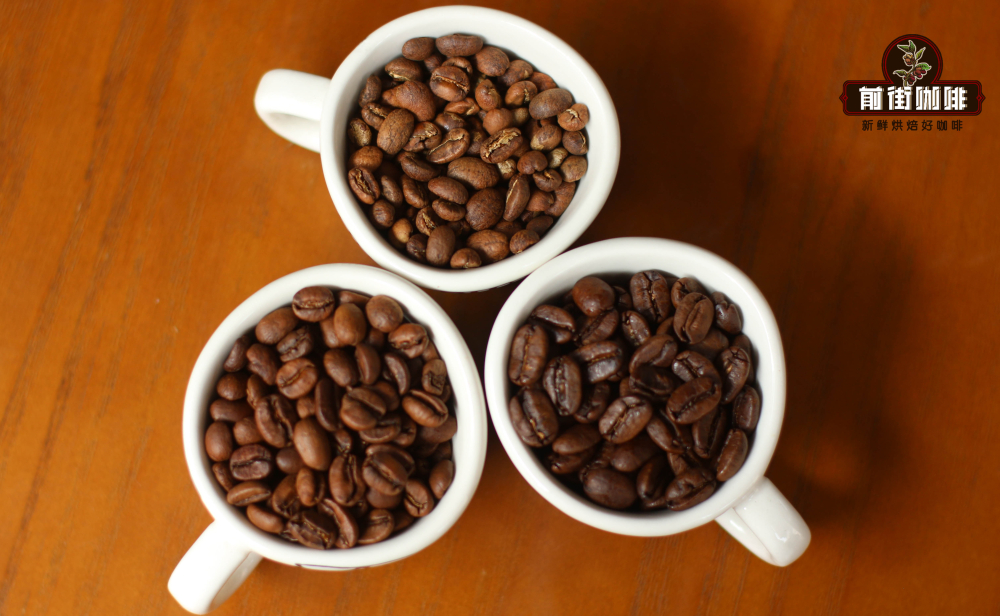 )
Next, add 18 grams of freshly ground PWN Golden Mandheling coffee powder into the filter basket, then place the basket into the lower chamber. After filling, it’s recommended to gently tap the basket to let the coffee powder settle naturally and fill any gaps, reducing the likelihood of channeling. Once filled, simply level the coffee surface with your finger. If the coffee grounds are ground too fine, it is not advisable to tamp, as this may increase resistance in the basket and hinder water flow.(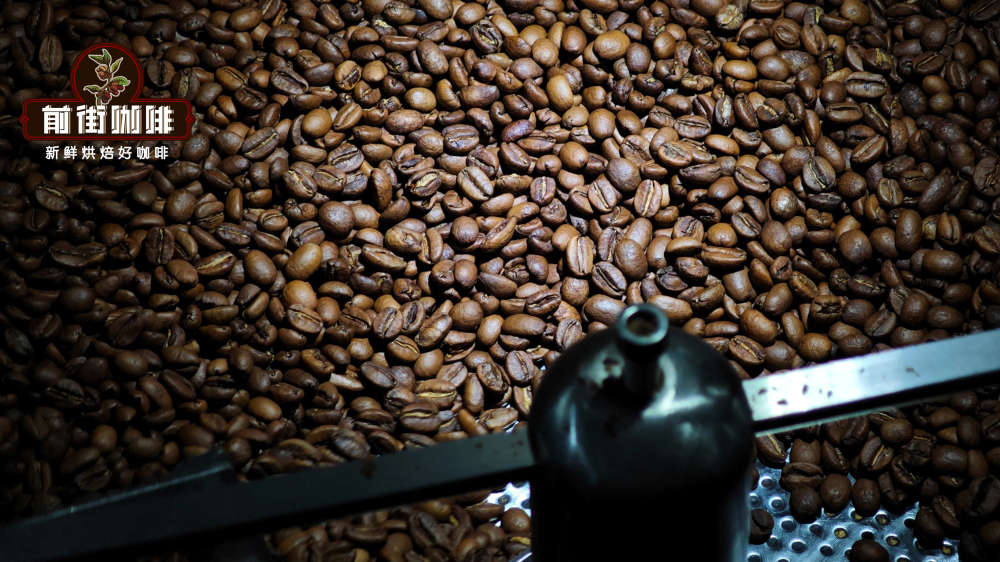 )
Screw the upper and lower chambers tightly together. If the lower chamber contains hot water, it’s advised to use a damp cloth for insulation to avoid burns. Place the moka pot on the heat source and start heating. When you hear a distinct sound, it indicates that the steam is pushing the water and coffee substances upward—immediately reduce the heat to prevent excessive pressure, which could lead to overly fast water flow, reducing extraction efficiency and making the coffee taste thin.(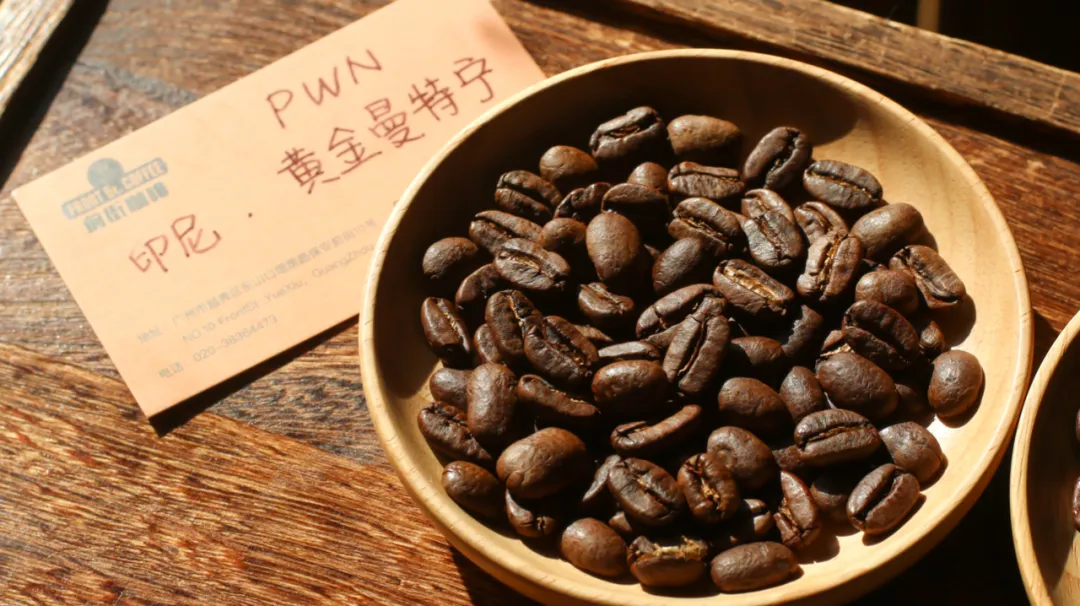 )
When about half of the coffee liquid has flowed out, you can turn off the heat and let the remaining coffee extract using residual heat. Once the moka pot stops dripping, pour out the coffee, add 150ml of milk and 100g of ice cubes, and easily create a richly flavored moka pot iced latte.
The above content is compiled by CoffeeHunters, a coffee news website.


