







Introduction:This article provides an in-depth exploration of Indonesia’s Sumatra region’s top single-origin coffee — Golden Mandheling. It covers everything from the origin of its name and the historical background of related companies, to a comparison of the trademarks and flavor profiles of commercially available Golden Mandheling coffees. Additionally, it details the wet-hulling process and offers comprehensive brewing parameters and flavor profiles for this particular Golden Mandheling. Whether you're new to Mandheling or a coffee enthusiast looking to refine your pour over skills, you’ll find practical insights here.
Within the coffee map of Sumatra, Indonesia, Mandheling is undoubtedly the most iconic variety, and among them, “Golden Mandheling” is regarded as a symbol of high quality. This article will guide readers through Sumatra’s geography and historical context to fully analyze the origins of Golden Mandheling. It also compares the Golden Mandheling produced by Indonesia’s PWN company with the commonly seen Ding Shang Golden Mandheling in the market, delving into their trademark rights, processing methods, and flavor characteristics. It further provides useful pour over parameters and brewing suggestions to help you fully grasp the charm of this classic coffee.
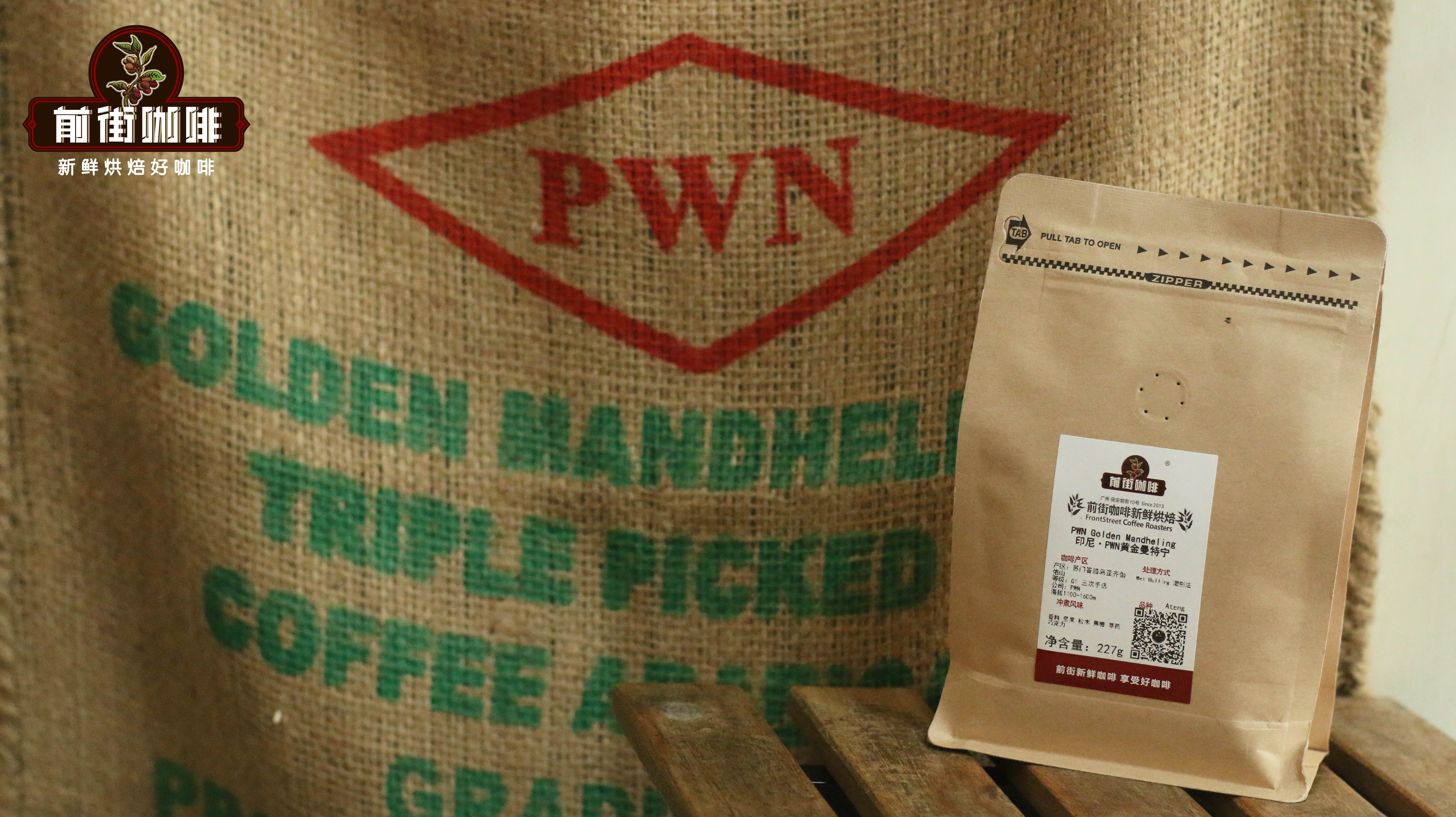
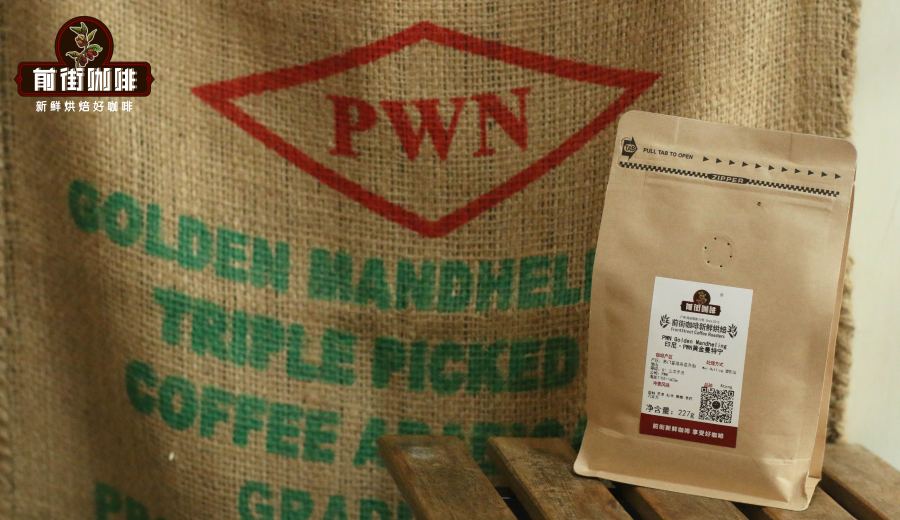
When discussing Golden Mandheling, one cannot overlook the pivotal role played by Indonesia’s Pawani Coffee Company (abbreviated as PWN). This company was founded by a Chinese family originally from Quanzhou, Fujian, with its headquarters located in Medan, Sumatra. Since 1957, it has focused on export trade, dealing in a wide range of goods including rubber, spices, and coffee. PWN was the first trader to introduce Sumatran Mandheling coffee to the Japanese market and established extremely strict green bean selection criteria tailored to the preferences of Japanese consumers.
In fact, the name “Mandheling” originally referred to an ethnic group in Sumatra — the Mandailing (Mandheling), and later gradually became synonymous with the coffee from that region. Initially, the origin of the name was the subject of various theories, but it is certain that it gained widespread recognition through promotion in the Japanese market. At that time, Japanese buyers wanted to procure high-quality Sumatran coffee on a long-term basis, but often encountered inconsistent bean quality. This prompted PWN to establish a rigorous selection system, evaluating beans based on multiple dimensions such as size, defect rate, color, shape, and density.
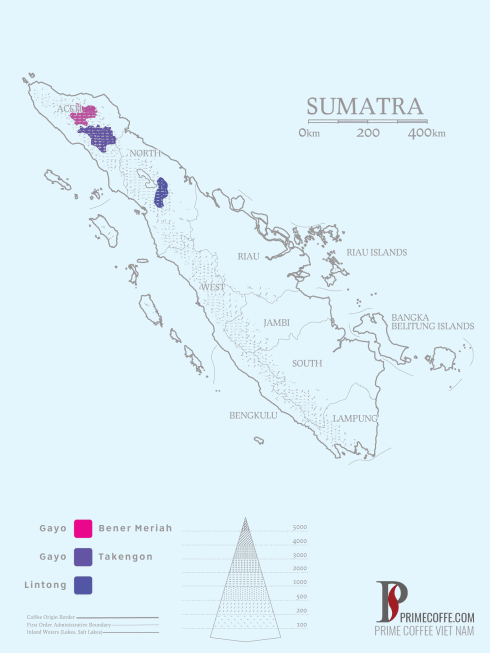
A certain Golden Mandheling from Sumatra, Indonesia, is considered one of the highest-rated single-origin coffees by many specialty coffee shops and consumers. The beans are grown in the Aceh region of Sumatra, near Mount Gayo, at altitudes ranging from 1,100 to 1,600 meters. This coffee is of the Ateng variety and is processed using the region’s most iconic wet-hulling method. It boasts rich flavors of nuts, pine, and caramel, along with subtle herbal notes. Upon tasting, it reveals a clear sweetness and layered complexity, making it highly suitable for coffee lovers who enjoy medium-to-dark roast profiles.
However, the name “Golden Mandheling” was originally coined by the Japanese market. But because PWN registered it as a trademark first, other importers were unable to continue using it and had to instead refer to it as “Gold Top Mandheling,” which later became known in the Chinese market as “Ding Shang Golden Mandheling.” Despite the different names, both actually come from the Lintong (Lintong) region in northern Sumatra. They are both hand-picked, processed using the wet-hulling method, and undergo multiple rounds of hand sorting and cleaning. As a result, their flavor profiles are quite similar, with the main difference being brand and trademark ownership.
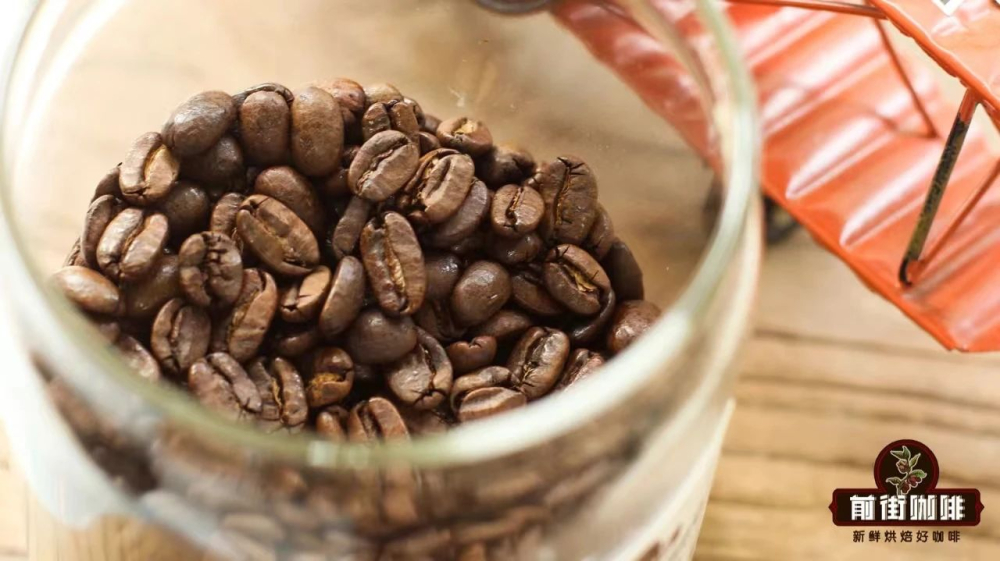
The “wet-hulling” method used for this Indonesian Golden Mandheling is a coffee processing technique unique to the Sumatra region. Due to the area’s year-round rainy and humid climate, which is not conducive to the stability of traditional sun-drying, and the higher costs of equipment and water required for the washed process, locals developed this hybrid method that combines wet processing with partial husk removal during drying. The general process includes removing the skin and pulp, brief fermentation, initial drying, then removing the parchment layer and some mucilage, followed by continued drying until the moisture content reaches about 12%. Because the beans are hulled in a semi-dry state, it often results in surface pressure marks or cracks, which are actually common phenomena of the wet-hulling method and not defects.
For this Golden Mandheling, it is recommended to use a Kono filter cone with a pulsed pour over method to better highlight its full-bodied and balanced characteristics. The Kono filter cone has rib designs concentrated at the bottom, which reduce the contact area between the filter paper and air, extend the contact time between water and coffee grounds, and help improve extraction efficiency and body. It is especially suitable for medium-to-dark roasted coffee beans.
Recommended brewing parameters are as follows: Use 15 grams of coffee grounds, with a brew ratio of 1:15, and set the grind size to medium-fine (such as grind setting 11 on an EK43s grinder). Water temperature should be controlled at 86°C. Begin with a 30-second bloom using 30 grams of water, then pour in a circular motion with a slow stream until reaching 125 grams for the first pour. Once the water level drops, continue pouring up to 225 grams. Finally, remove the filter cone just before the water level is fully drained, with a total brew time of around 2 minutes. These parameters fully bring out the layers of nuts, caramel, and herbs, while maintaining a good sweetness and clean aftertaste.
In terms of flavor profile, this Golden Mandheling exhibits a very high degree of balance. The cup opens with distinct notes of nuts and chocolate, followed by delicate hints of spices and caramel, and a subtle fruity finish can be sensed towards the end. The overall flavor profile is clear and lingering, making it a classic and worthwhile Sumatran representative to savor carefully.
The above content is compiled by CoffeeHunters, a coffee news website.


