







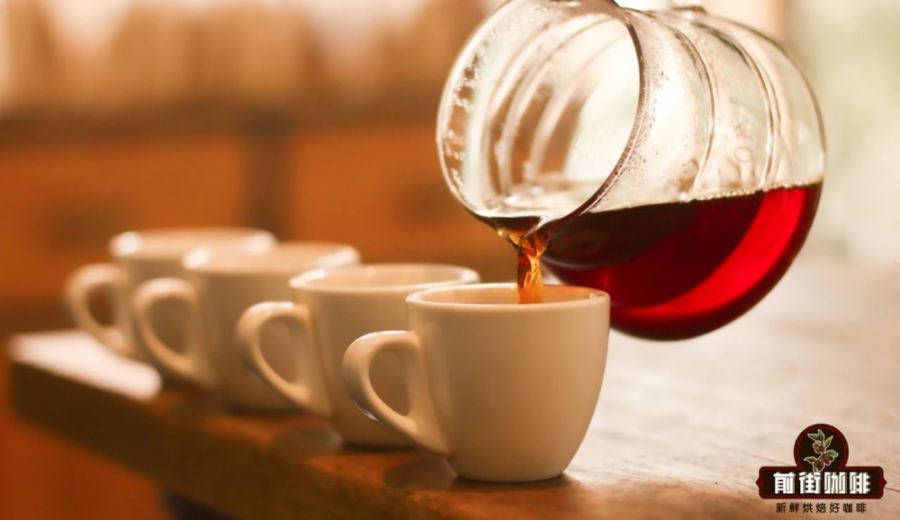
Introduction:In recent years, decaffeinated coffee has become the go-to choice for those who seek rich coffee flavors while aiming to reduce caffeine intake. However, its production principles and quality often raise questions. This article takes a Swiss Water Process decaf coffee from Colombia’s Huila region as an example, providing a detailed explanation of what decaf coffee is, the mainstream decaffeination technologies—especially focusing on the workings of the Swiss Water Process—and analyzing its flavor characteristics and roasting recommendations. It helps readers fully understand how to choose and brew decaf coffee.
Decaf coffee has gradually become a new favorite among many coffee enthusiasts, especially for those who care about coffee flavor but want to control their caffeine intake. However, there are still many misconceptions about how decaf coffee is made, the decaffeination techniques involved, and how it differs from regular coffee. This article uses a Swiss Water Process decaf coffee from Colombia’s Huila region as a starting point to help you understand the definition of decaf coffee, international standards, major decaffeination processes—especially the specific operation of the Swiss Water Process—as well as key factors influencing flavor. It also offers practical roasting and brewing references.
What is decaf coffee? How much caffeine does it contain?
Decaf coffee is not completely caffeine-free, but refers to coffee products with significantly reduced caffeine content. Generally speaking, Arabica beans contain about 0.9% to 1.4% caffeine, averaging around 1.2%; Robusta beans have even higher levels, ranging from 1.8% to 4%, with an average of about 2.2%. According to international standards, decaf coffee must contain less than 3% of the original caffeine content. The EU has stricter regulations, requiring that processed green beans contain no more than 0.1% caffeine.
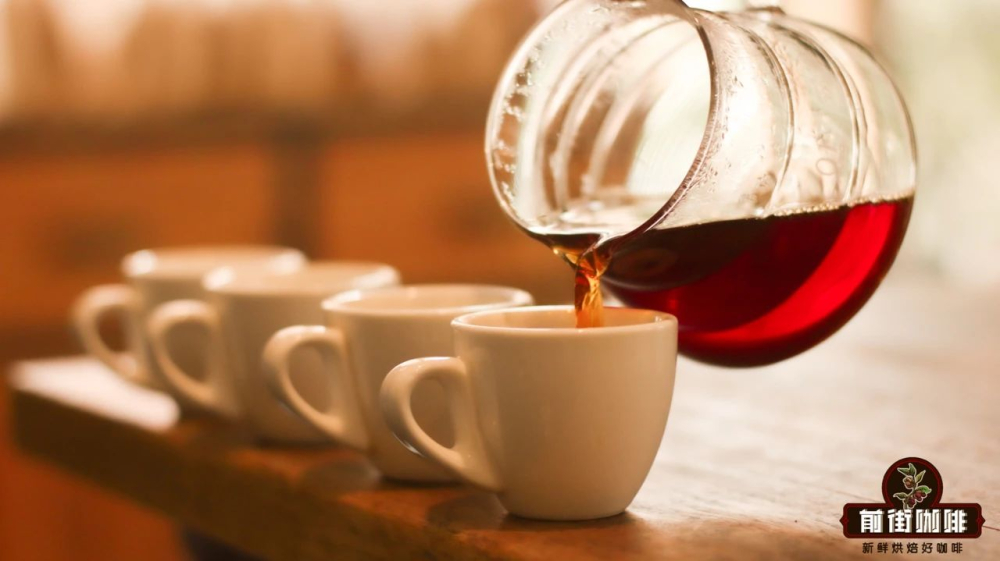
In practice, even after processing, decaf coffee still retains a small amount of caffeine, approximately 2% to 3% of the original level. This translates to a caffeine content of about 0 to 7 milligrams per cup of decaf espresso, which generally does not produce a significant stimulating effect for most people, though individual tolerance should still be considered.
What are the common decaffeination techniques?
The main decaffeination methods currently in use include: direct/indirect solvent methods, supercritical carbon dioxide method, Swiss Water Process, and mountain water method. The direct solvent method uses chemical solvents such as dichloromethane or ethyl acetate to dissolve caffeine out of green beans. While this method is common, some solvents like dichloromethane are suspected of posing potential health risks—though actual residues are extremely low, it still sparks debate. Ethyl acetate is often referred to as the sugarcane decaf method, but because it is a flammable substance, handling it also involves certain risks.
The supercritical carbon dioxide method is a newer technology that utilizes high-pressure carbon dioxide to selectively extract caffeine without affecting other flavor components. However, it comes with a relatively high cost and is primarily used in the premium market.
How does the Swiss Water Process work?
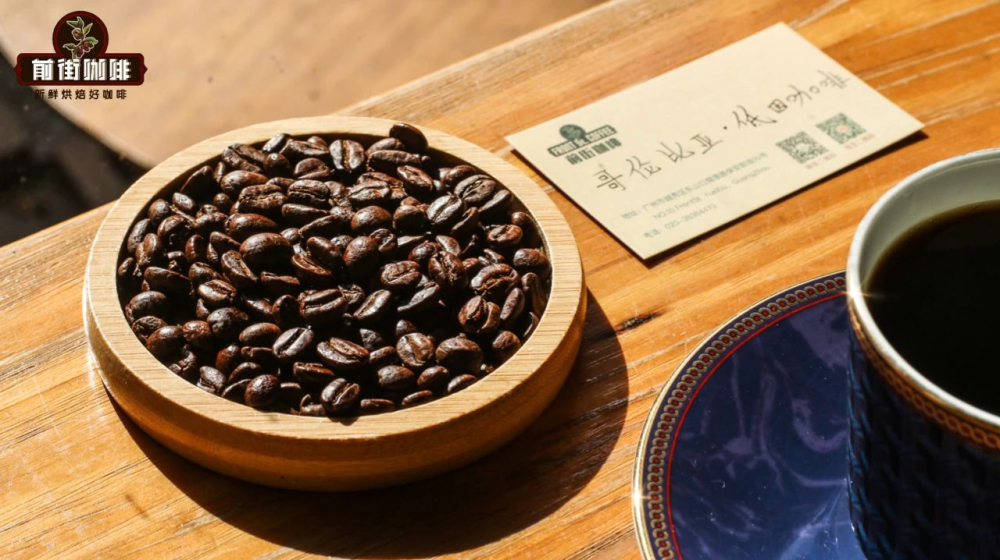
The Swiss Water Process is a purely physical, chemical-solvent-free decaffeination method and is one of the more commercially mature techniques available today. In the process, green beans are first soaked in hot water, known as “flavor-charged water,” which is rich in all the flavor compounds from the beans except caffeine. This water extracts the caffeine but preserves other key flavor molecules. Then, activated carbon filters are used to remove the caffeine from the water, leaving behind “decaffeinated yet flavor-rich” hot water. Finally, this treated water is reused to soak new green beans, prompting them to release caffeine while retaining their original flavors, thereby achieving the goal of decaffeination.
Flavor and Regional Characteristics of Colombian Huila Decaf Coffee
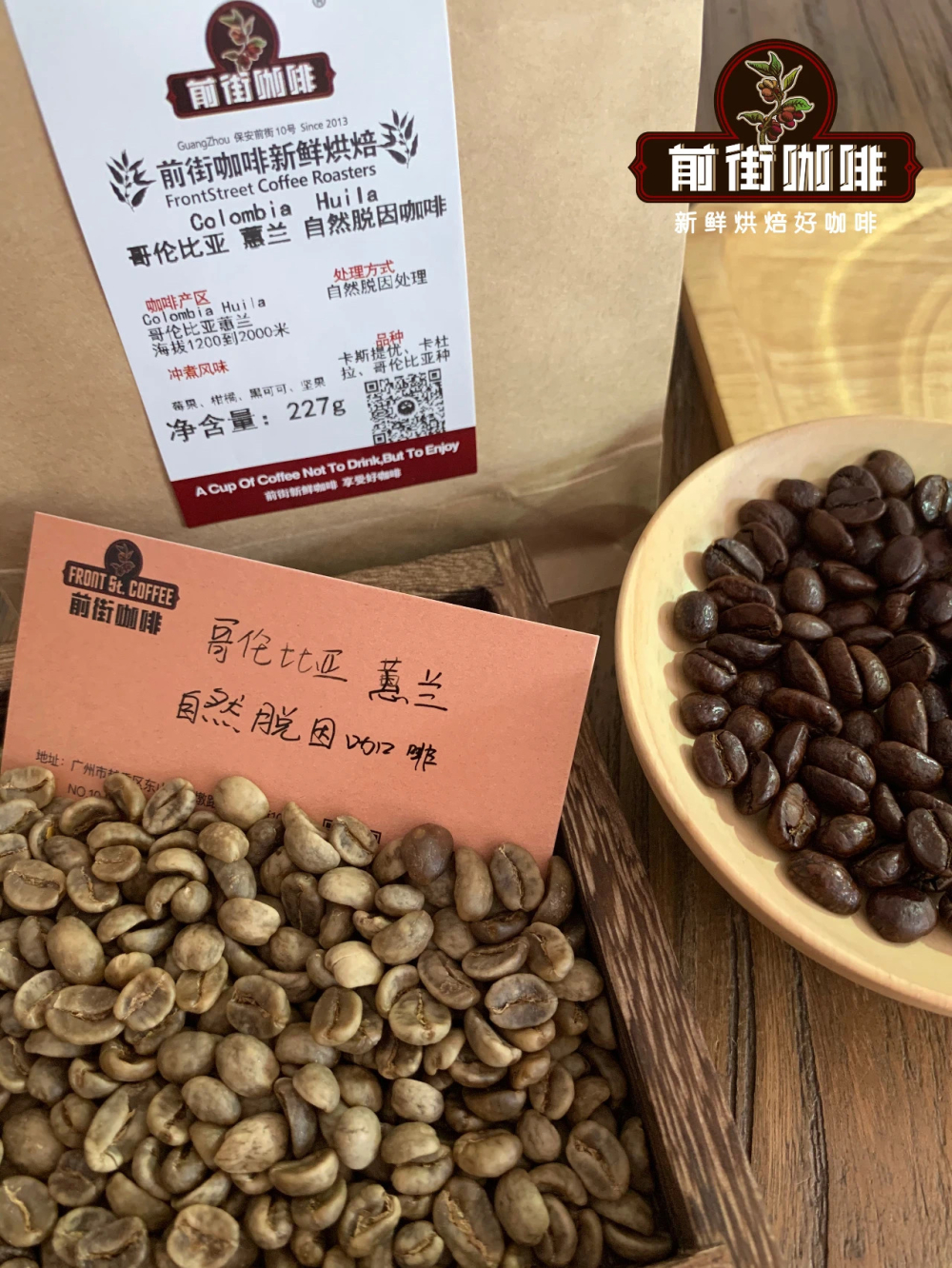
Taking a Swiss Water Process decaf coffee from Colombia’s Huila region as an example, the growing area benefits from high altitude (approximately 1,750 meters) and a favorable microclimate, producing stable-quality green beans—one of the internationally recognized high-quality coffee regions. Prior to export, the beans undergo strict density grading and hand sorting to ensure an extremely low percentage of defective beans.
This batch of decaf coffee uses three classic Arabica varieties: Typica, Caturra, and Castillo. Typica offers elegant sweetness but has low yields; Caturra is highly adaptable and easy to cultivate, while Castillo is a variety improved through multiple hybridizations, showing increasingly refined characteristics in recent years. The green beans are classified as Supremo, the highest grade in Colombia, featuring large and uniform beans with a rich and balanced flavor profile. Suitable for medium to dark roasts, they often exhibit flavor notes of vanilla and dark chocolate.
Roasting and Brewing Recommendations
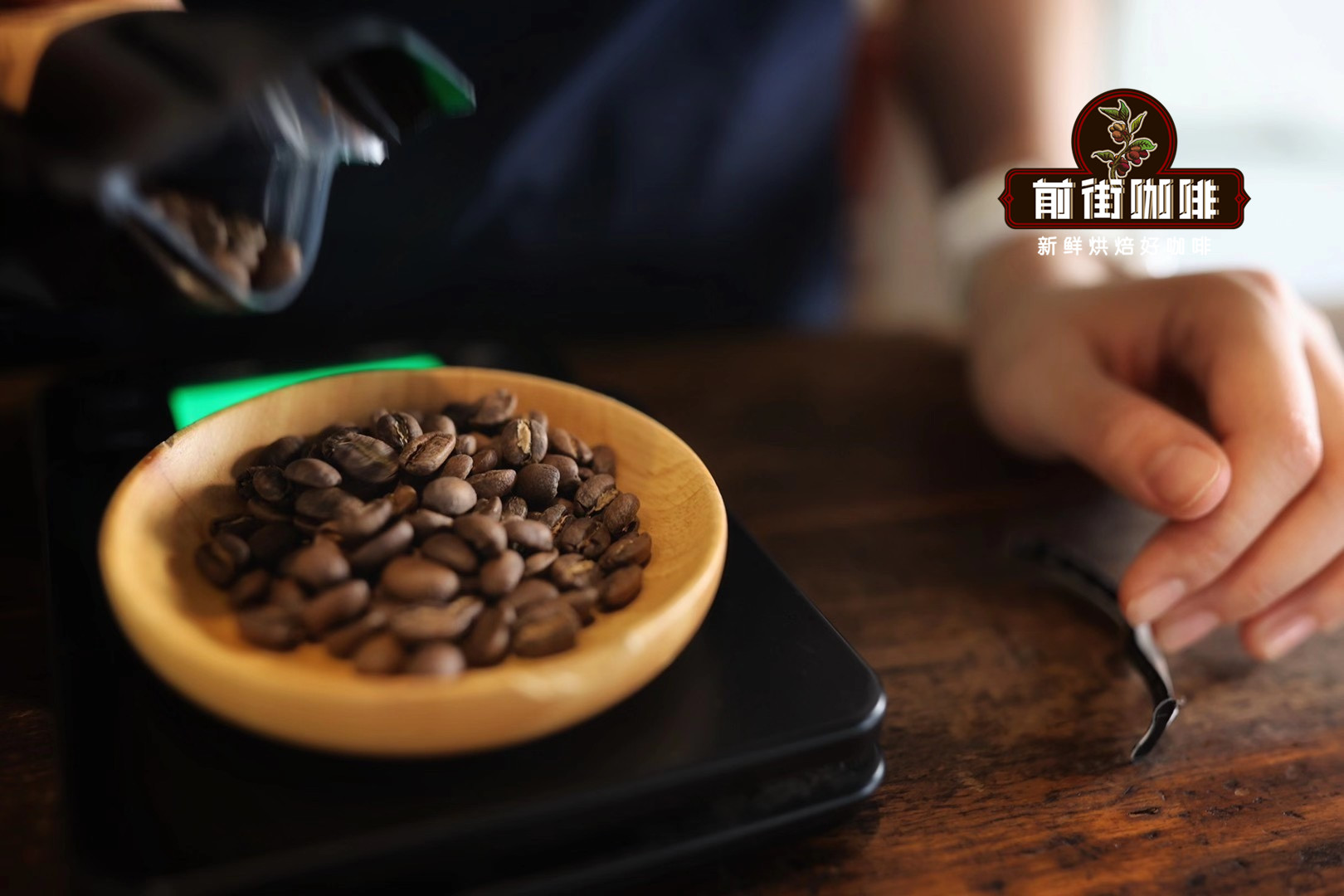
For the roasting of this decaf coffee, a medium-heat steady rise strategy was adopted, with the yellowing point occurring at approximately 6 minutes and 15 seconds. Afterward, the heat and air vent were adjusted to enter the Maillard reaction. At first crack, the temperature was maintained at around 183.2°C, and development continued for about 2 minutes and 30 seconds before dropping. The final roasting temperature reached 194.2°C. This roast level effectively highlights the sweetness and body of the decaf beans while preserving the original terroir characteristics.
For brewing, it is recommended to use a Kono filter. Water temperature should be controlled at 90°C, with a coffee dosage of 15 grams and a coffee-to-water ratio of 1:15. Grind size is medium-coarse (approximately 70% passing through a Chinese No. 20 sieve). A three-stage extraction method is employed: first, a 30-gram bloom for 30 seconds, then a slow pour up to 125 grams, followed by a continuation to 225 grams as the water level drops. Total extraction time is about 3 minutes. Under these parameters, the flavor profile is dominated by dark chocolate, caramel, and nuts, with a full body and clear layers.
In summary, decaf coffee does not have to mean compromising on flavor or quality. By selecting high-quality Arabica beans and using suitable decaffeination techniques—such as the Swiss Water Process—it is still possible to deliver a rich coffee experience. This decaf coffee from Colombia’s Huila region is a classic example worth trying.
The above content is compiled by CoffeeHunters, a coffee news website.


