








Introduction:The AeroPress is a creative coffee brewing device that combines immersion and pressure brewing, widely loved for its simple operation and versatile flavors. This article will take you through its invention background, structural design, and provide a detailed analysis of the differences between the two brewing methods: regular (forward) and inverted (reverse). With step-by-step brewing instructions and key parameters such as grind size, water temperature, and coffee-to-water ratio, it helps coffee beginners get started easily and brew a richly flavored AeroPress coffee.
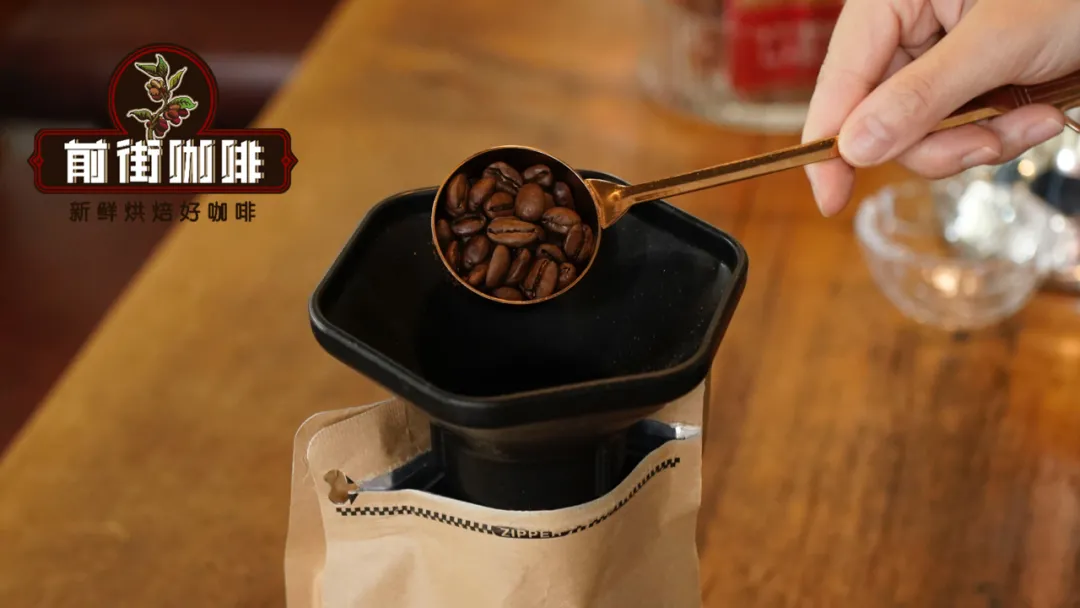
"Boss, that funnel you use for pouring beans looks pretty unique—where’d you get it?"
"That’s just an accessory that comes with the AeroPress."
< >
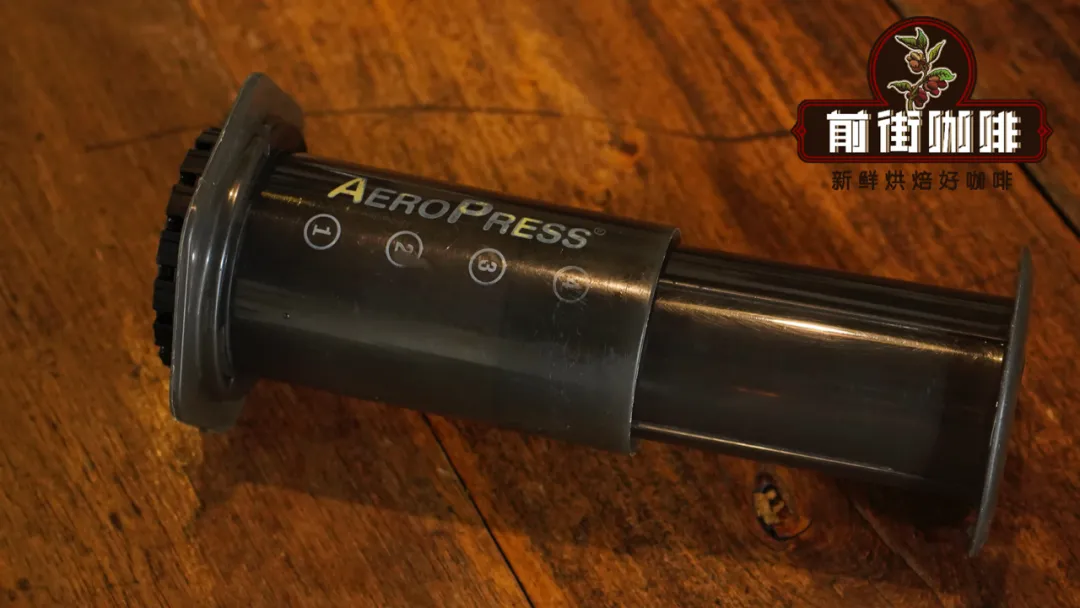
That reminded me of the long-forgotten AeroPress tucked away in the corner of the shop. Shaped like a syringe, it’s actually a rather innovative coffee brewing tool. There’s even a dedicated AeroPress brewing competition, which makes one wonder: how does such an unusual design brew delicious coffee?
The AeroPress was first introduced in 2005, invented by Alan Adler, a lecturer in mechanical engineering at Stanford University. He admitted that the inspiration came from his dissatisfaction with existing coffee brewing devices, and he aimed to create a more flexible and user-friendly tool. After two years of research, the inventor, then nearly 70 years old, successfully turned his idea into reality.
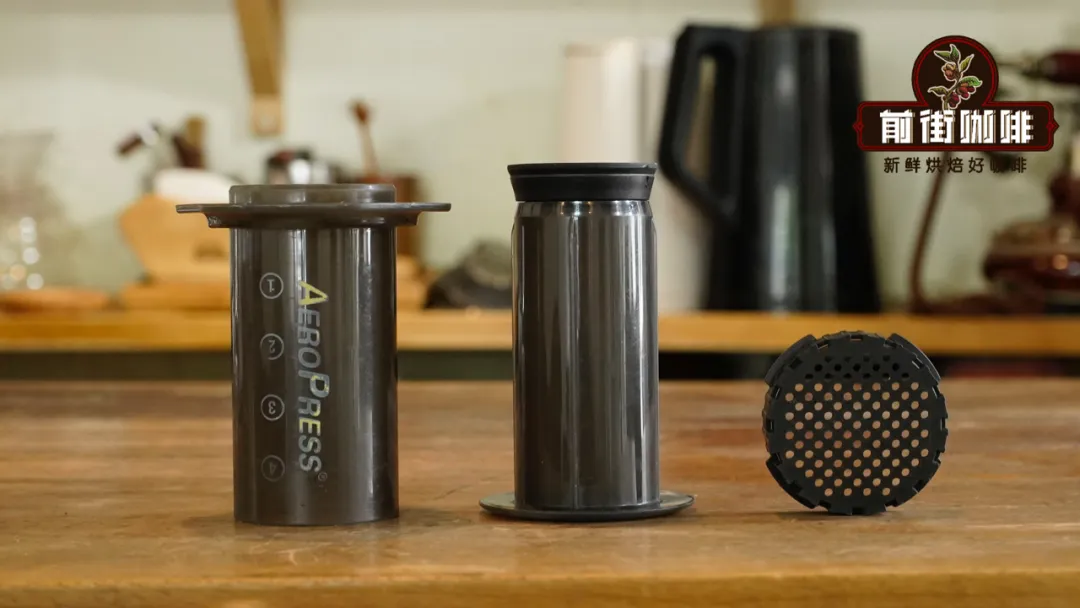
The AeroPress has a simple yet ingenious structure, consisting mainly of three parts: the brewing chamber, the plunger, and the filter cap (which requires the use of paper or metal filters). It can accommodate coffee beans of various roast levels and grind sizes. Its brewing principle combines the immersion method of pour over and the pressure extraction of espresso—first soaking the coffee grounds in water, then using the plunger to apply pressure, extracting a rich and layered cup of coffee.
< >
There are two main brewing methods with the AeroPress: forward (regular) and reverse (inverted). The forward method involves attaching the filter cap (with the filter side facing down), adding coffee grounds and water, stirring and steeping, then inserting the plunger to press and extract. However, a common issue with this method is that water may leak from the filter cap during pouring, affecting stability. Therefore, the reverse method is more recommended—first assembling the plunger and brewing chamber with the plunger facing down as the base, then adding coffee grounds, pouring water for steeping, finally placing the filter cap on top and flipping the whole setup over with a cup placed on the filter cap, then pressing to extract. This article will focus on the reverse method, as it has fewer variables and is easier for beginners to master quickly.
< >
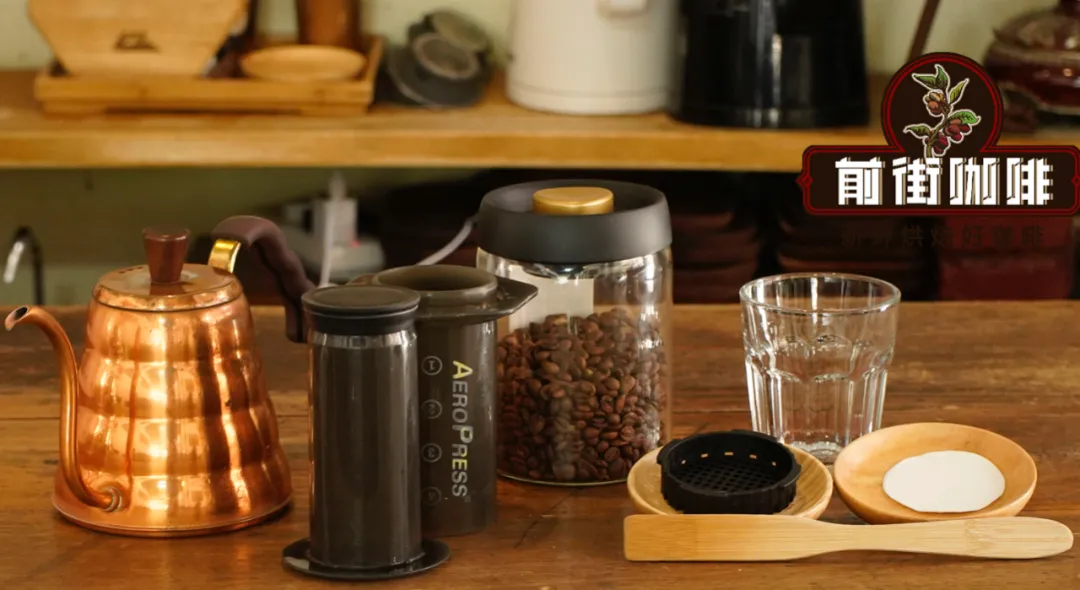
Before brewing, prepare: the AeroPress itself, coffee beans, hot water, a sturdy cup, a stirring utensil, and round filter paper. This demonstration uses a medium-roasted "Papua New Guinea · Bird of Paradise" coffee bean, ground slightly finer than standard pour over (approximately 90% through a #20 standard sieve), with a coffee-to-water ratio set at 1:16 (15 grams of coffee beans with 240 milliliters of water). A water temperature of around 90–93°C achieves ideal extraction.
< >
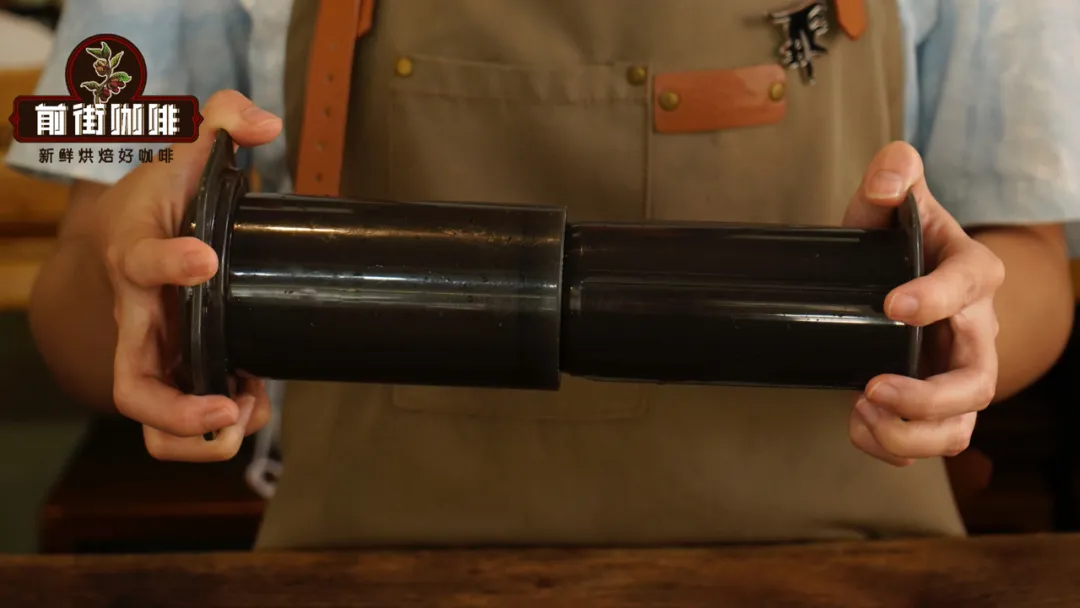
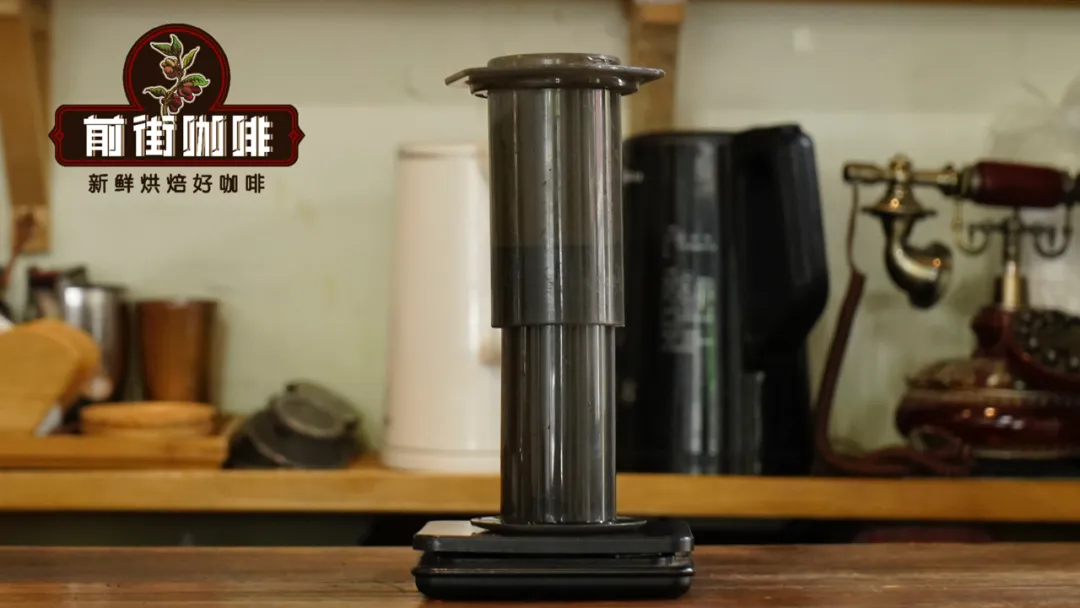
Here are the specific steps for the reverse (inverted) brewing method: First, insert the plunger into the brewing chamber so that the chamber is in the filter-cap-down position (Figure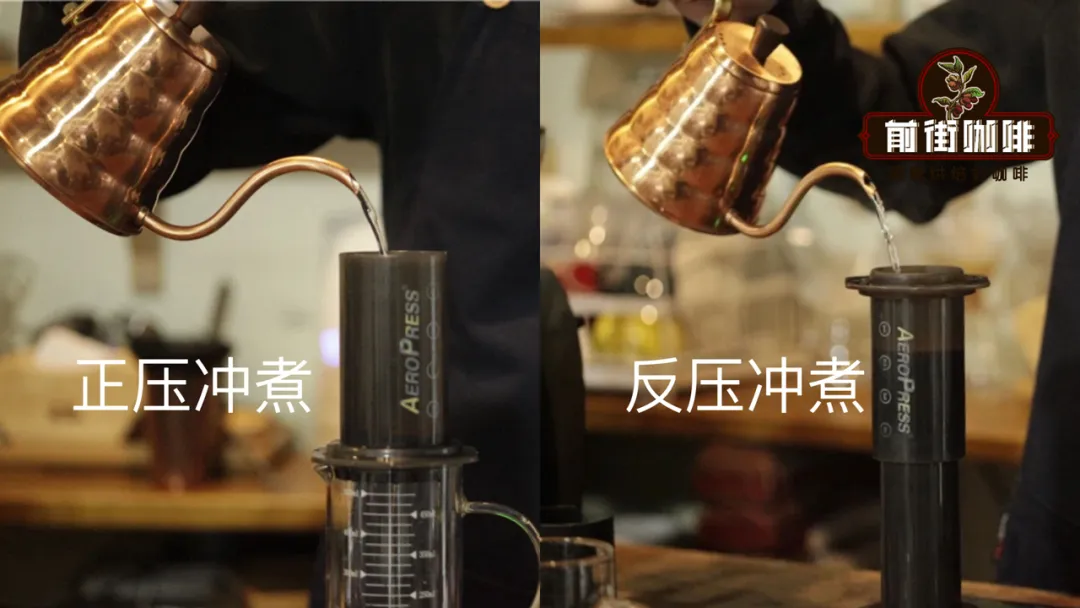 ,
 ); Next, add the ground coffee, and start the timer (Figure
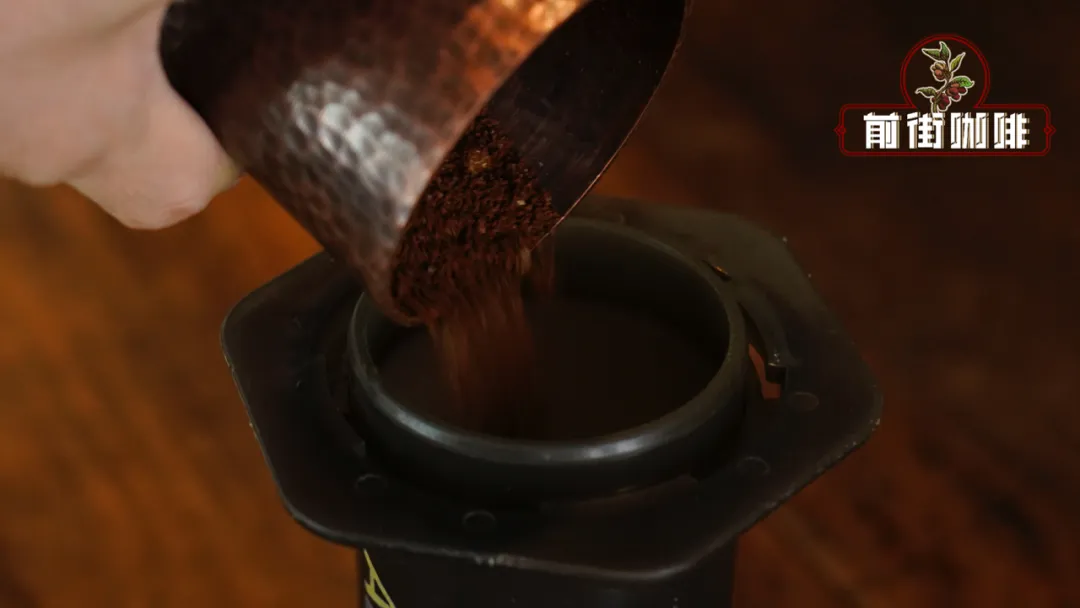
 ,
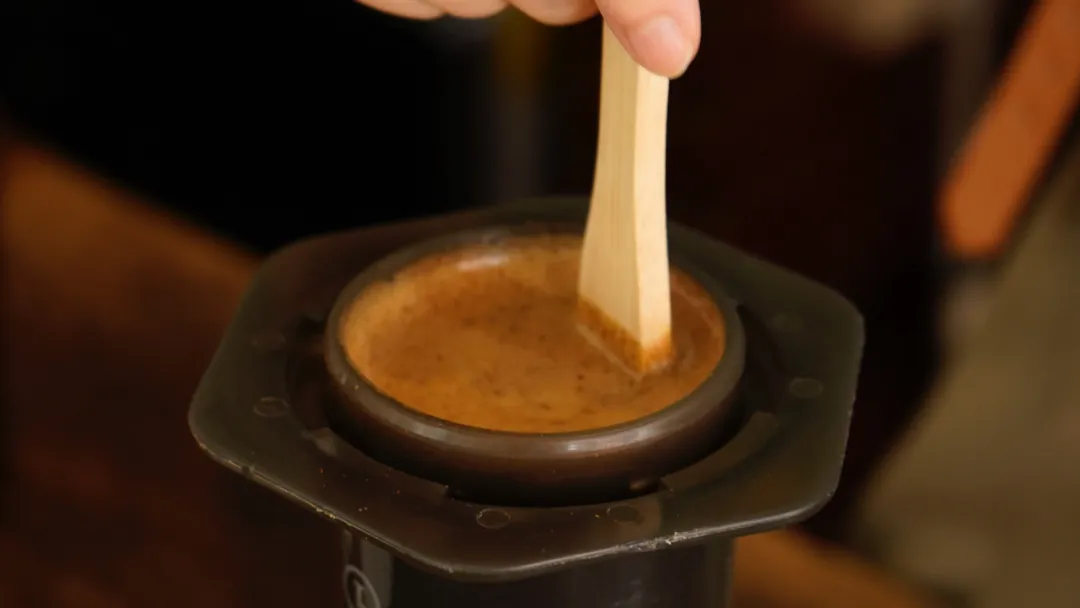
 ); Then, stir the coffee grounds evenly with a stirring stick to ensure full immersion (Figure
 ,
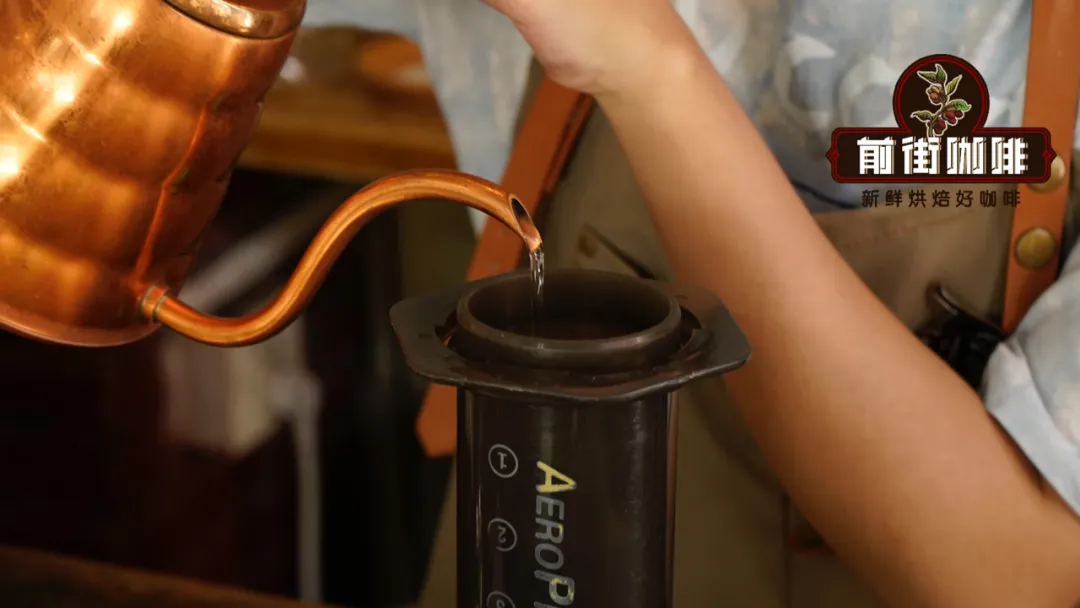 ); After about 1 minute, place the pre-moistened filter cap with the filter paper attached on top, then invert a cup onto the filter cap and flip the entire assembly (Figure
 ,
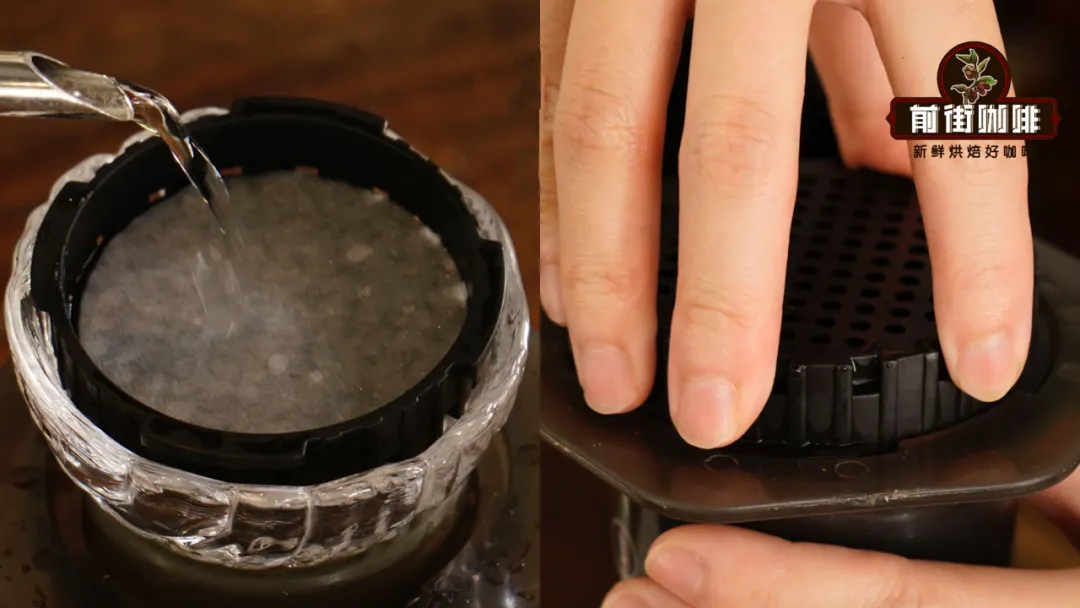 ,
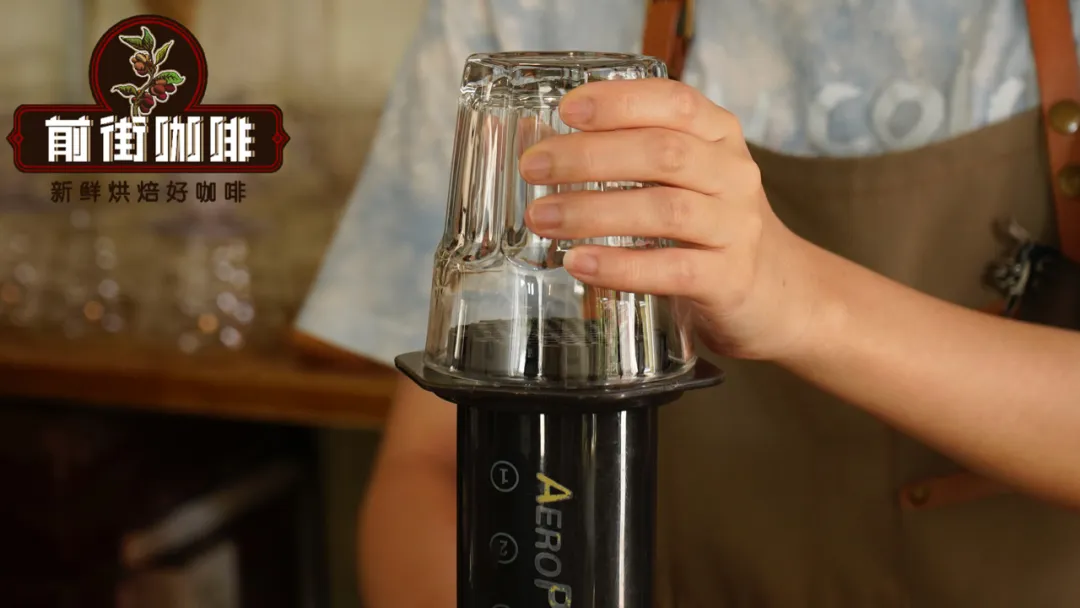 ); Finally, begin applying pressure and complete the extraction in about 1 minute and 30 seconds (Figure
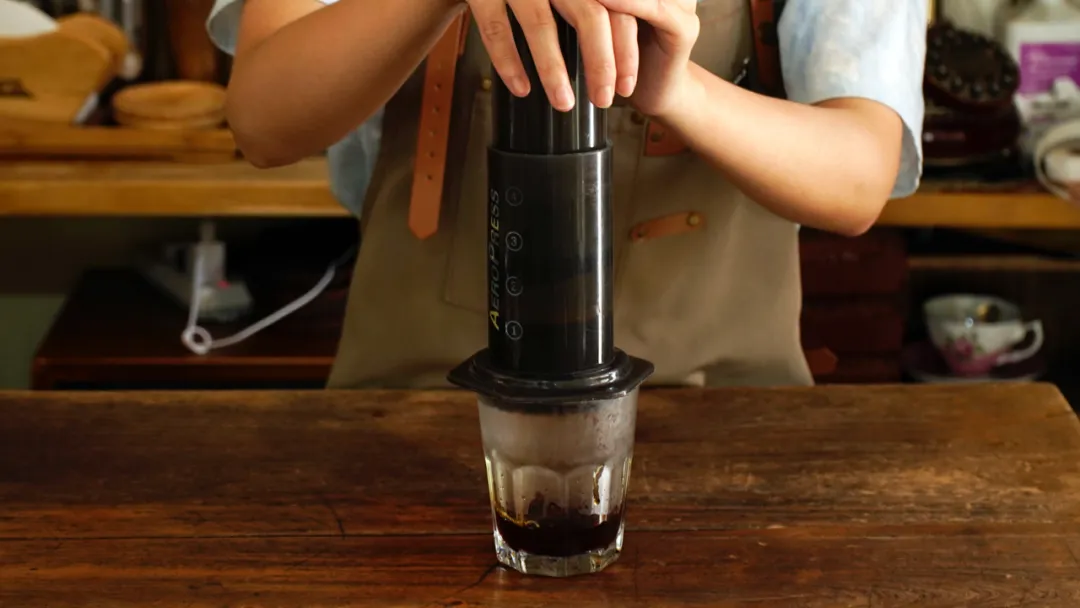 ,
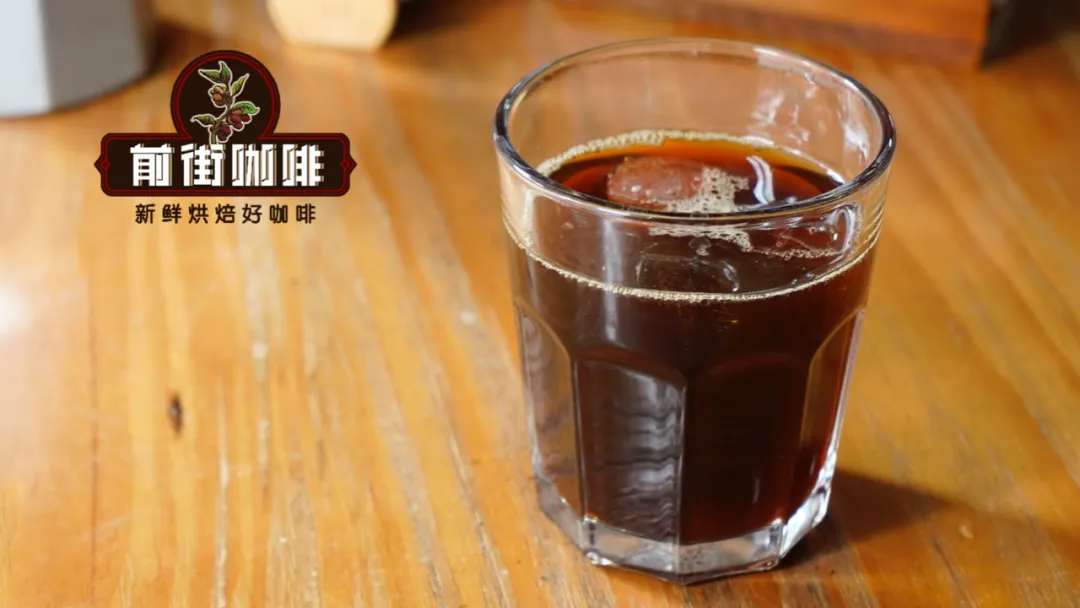 ). And there you have it—a richly flavored AeroPress coffee!
To make iced coffee, simply adjust the coffee-to-water ratio to 1:8, then add 100 grams of ice after extraction. The refreshing taste is especially enjoyable in the summer.
<> The above content is compiled by CoffeeHunters, a coffee news website.


