







Introduction:Kenyan coffee is renowned for its bright acidity and rich berry aroma, making it a flavor benchmark sought after by specialty coffee enthusiasts worldwide. This article will delve into the evolution of Kenyan coffee cultivation, the unique terroirs of its six representative regions, the practical implications of the AA and PB grading systems, and provide useful pour over parameters and steps to help you fully understand and enjoy the layered charm of Kenyan coffee.
When it comes to specialty coffee, many people first think of the floral-citrus notes of Yirgacheffe or the bold, low-acidity profile of Mandheling. But if you prefer a coffee with a fresh, bright, and complex acidity, then Kenyan coffee is definitely worth exploring. This East African coffee, with its vibrant acidity reminiscent of cherry tomatoes and its full-bodied berry flavors, holds a respected place in the global specialty market. From its planting history and regional differences to roasting and brewing techniques, this article will guide you step-by-step to grasp the essence of Kenyan coffee.
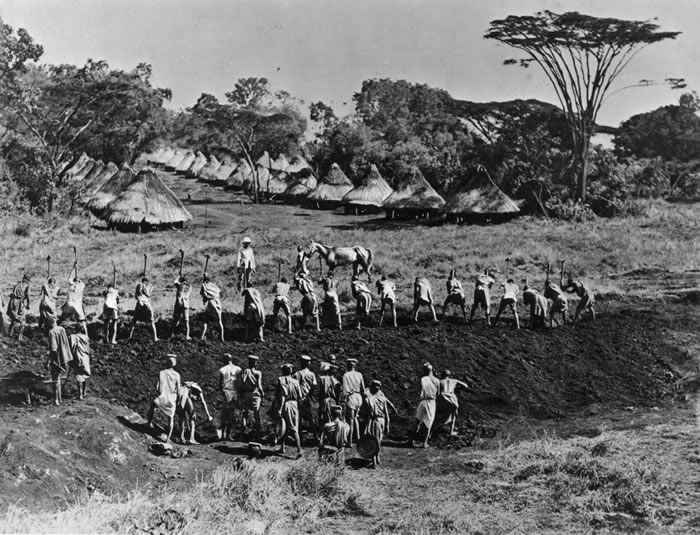
Although Kenya neighbors Ethiopia, the birthplace of coffee, its coffee cultivation history began much later. According to The World Atlas of Coffee, coffee was first introduced to Kenya in 1893 by French missionaries from Réunion Island. It wasn’t until 1896 that the first coffee beans were officially harvested locally. At that time, Kenya was still part of the British-controlled "East Africa Protectorate," so coffee cultivation was primarily managed by British colonists, concentrated on large estates, with most of the harvest shipped back to Britain for auction, leaving locals with no involvement.
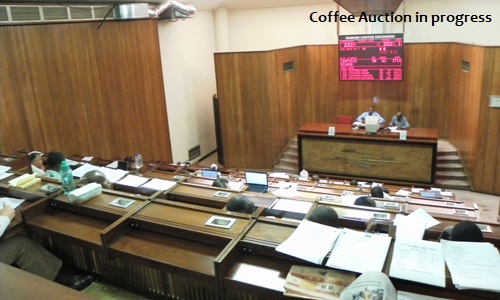
The situation didn’t change until 1933, when the Kenya Coffee Board was officially established, gradually returning coffee sales rights to locals. The following year, an auction system was established, and in 1935, the first official coffee auction was held in the capital, Nairobi. This system continues to this day and is regarded as one of the most transparent and efficient coffee trading models in the world. This system not only ensures quality but also encourages farmers to continuously improve cultivation techniques.
In the 1950s, the local government pushed for agricultural reforms, allowing ordinary families to expand their farmland. Beyond subsistence farming, they could also grow cash crops like coffee to increase income. To this day, almost all Kenyan coffee is auctioned through the Nairobi Coffee Exchange, held every Tuesday during the harvest season, with only qualified traders allowed to participate. They receive green bean samples in advance, evaluate them through cupping, and then bid for them at the auction. This approach also encourages farmers to enhance quality in order to obtain higher prices.
Kenya has multiple regions suitable for coffee growing, among which Kirinyaga and Nyeri are the most renowned. Overall, Kenyan coffee regions can be divided into six major blocks:
【Kiambu】
Located in central Kenya, this region was once dominated by large estates, but with urbanization, the number of estates has significantly decreased, although notable areas such as Thika are still included. The coffee from this region is known for its bright acidity and solid body. There was once a Kenyan cherry AA from Thika, which offered sour notes of black plum and cherry tomato upon entry, clear cane sugar sweetness in the mid-palate, a juicy mouthfeel, and a berry aroma in the finish—suitable for everyday drinking.
【Kirinyaga】
This region boasts fertile volcanic soil, coupled with exquisite washed processing techniques, producing coffee with distinct flavor layers and a tight body. It is internationally recognized as one of Kenya’s top coffee-producing regions.
【Nyeri】
Adjacent to Kirinyaga and nestled at the foot of Mount Kenya, this area features mineral-rich volcanic red soil and is densely populated with smallholder cooperatives. The coffee here often exhibits bright acidity reminiscent of blackberries, a full body, and citrus and floral notes, with delicate and complex flavors beloved by international coffee aficionados.
【Embu】
Close to Mount Kenya, about 70% of the residents are engaged in smallholder farming, with tea and coffee as the main cash crops. Since most of the coffee comes from small-scale producers, production is limited but quality is consistent.
【Mt. Kenya West】
Covering Kisii and Bungoma, coffee here is mostly produced by small cooperatives, with modest output. The flavors in this region are milder, characterized by roasted nuts and soft fruit acidity, making it suitable for consumers who prefer less intense acidity.
【Murang’a】
Located in the Central Province, the volcanic soil here produces coffee with bright acidity and a juicy mouthfeel. The region is home to around 100,000 coffee farmers and historically developed a coffee-growing tradition as one of the preferred settlement areas for missionaries.
Kenya’s coffee quality grading system is also one of its distinctive features. All coffee is uniformly purchased by the Kenya Coffee Directorate, graded according to bean size and quality, and then circulated via auctions. The commonly seen ‘AA’ and ‘PB’ are grading indicators.
Among them,AA graderepresents the largest and highest-quality coffee beans, generally considered the top tier;PB (Peaberry)refers to the rare ‘peaberry’ beans, where only one round seed develops inside a single coffee cherry, and due to their rarity and concentrated flavor, they are also highly sought after.
How to brew the essence of Kenyan coffee? As Kenyan beans are often medium-light roasted, it is recommended to use93°Ca water temperature for extraction, which helps highlight their bright acidity. It is recommended to useHario V60a V60 filter cone, whose spiral ribs accelerate water flow, delivering a clean, clear taste and strong aromatic expression.
Practical parameters are as follows:
Filter cone: Hario V60
Water temperature: 93°C
Coffee dose: 15 grams
Coffee-to-water ratio: 1:15
Grind size: EK43s#10 (approximately 80% passing through a #20 sieve)
Total extraction time: about 2 minutes
Recommended steps:
1. Start by pouring 30 grams of water for a 30-second bloom.
2. Then pour water up to 125 grams for the second extraction phase.
3. When the coffee bed is about to be exposed, pour the third phase up to 225 grams.
4. Once the dripping from the filter cone stops, remove the cone to complete the extraction.
By understanding the historical background, regional characteristics, and precise brewing parameters of Kenyan coffee, whether you are a newcomer to specialty coffee or an advanced enthusiast familiar with various origins, you can more deeply appreciate this vibrant East African gem, experiencing its unique acidity tension and fruity flavor layers.
The above content is compiled by CoffeeHunters, a coffee news website.


