







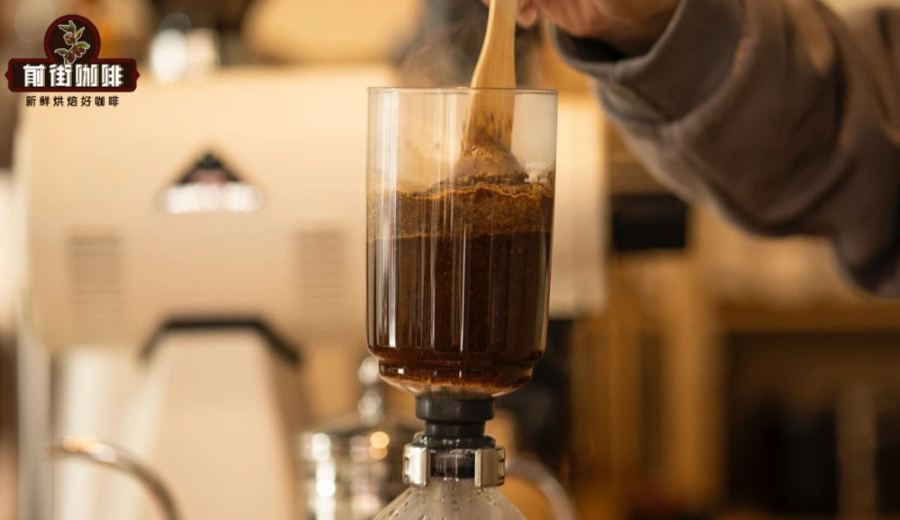
Introduction:The siphon coffee maker not only boasts a unique scientific instrument appearance but is also an excellent tool for coffee enthusiasts to explore different extraction flavors. This article will delve into the historical origins and invention background of the siphon pot, and provide a detailed comparison between siphon coffee and pour over coffee in terms of flavor performance, helping you find the brewing method that best suits your taste.
The appearance of the siphon coffee maker often reminds people of ancient instruments used by scientists in history books, exuding a strong classical atmosphere. In fact, the history of this coffee maker can be traced back to about 200 years ago, making it a classic device that combines scientific principles with coffee artistry.
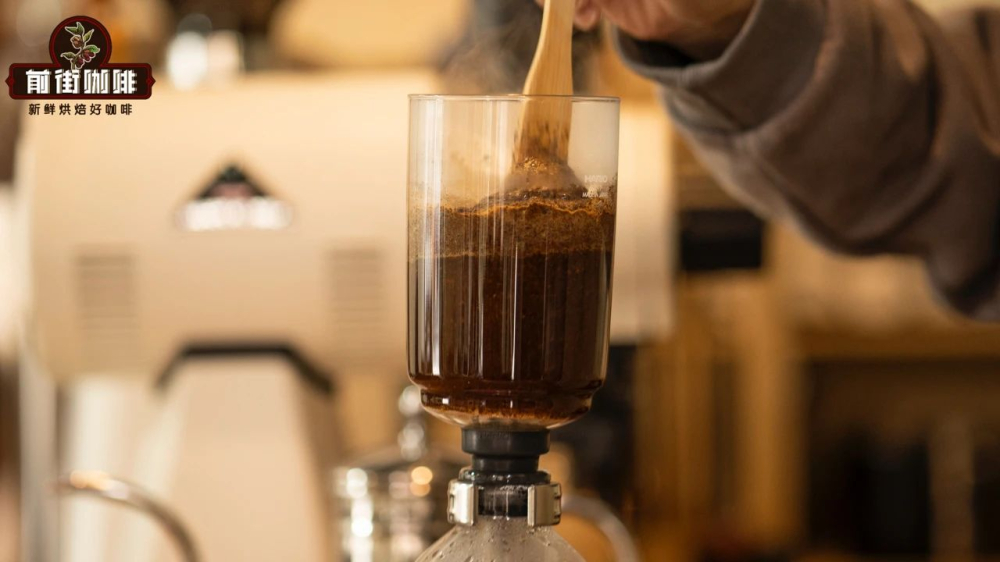
Speaking of the invention of the siphon pot, its basic principle relies on the vacuum siphon effect of water. According to historical records, S. Leoff from Berlin, Germany, first invented a glass vacuum pot in the 1830s. This type of pot quickly spread across Europe and saw numerous modified versions. By 1841, Madame Vassieux in Lyon, France, designed a prototype close to the modern upright siphon pot and successfully applied for a patent.
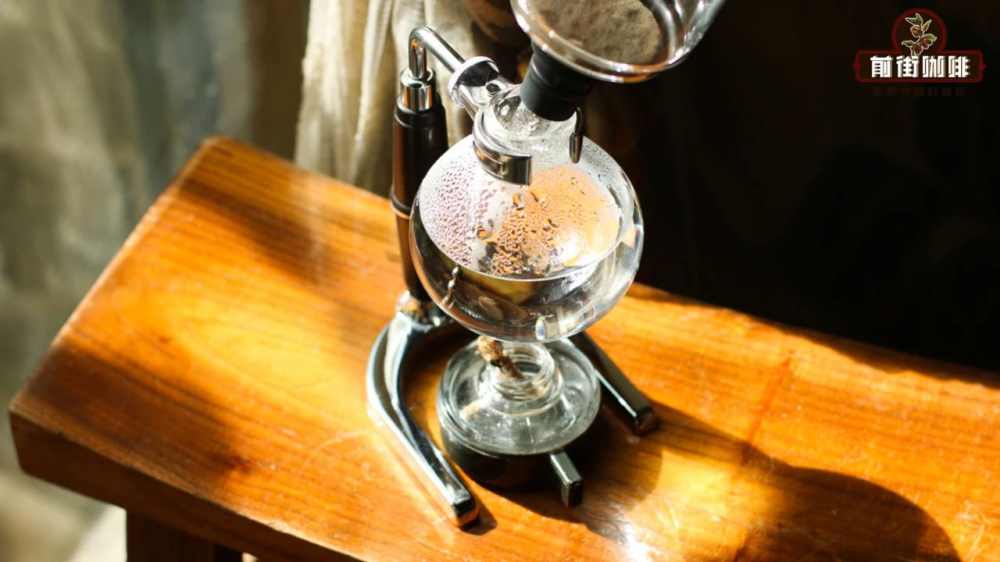
Interestingly, the musical maestro Beethoven personally selected 60 coffee beans each day during his lifetime and brewed his morning coffee using a device similar to the double-layered glass bottle of a siphon pot. Although he passed away in Vienna, Austria in 1827, this may suggest that the precursor to the siphon coffee maker might have already existed, even earlier than the officially documented time.
The English name for the siphon coffee maker is Syphon. Due to the similar pronunciation, it is also widely referred to as “赛风壶” (sai feng hu) in Hong Kong and Taiwan. Therefore, when you see “赛风壶,” it actually refers to the siphon coffee maker.
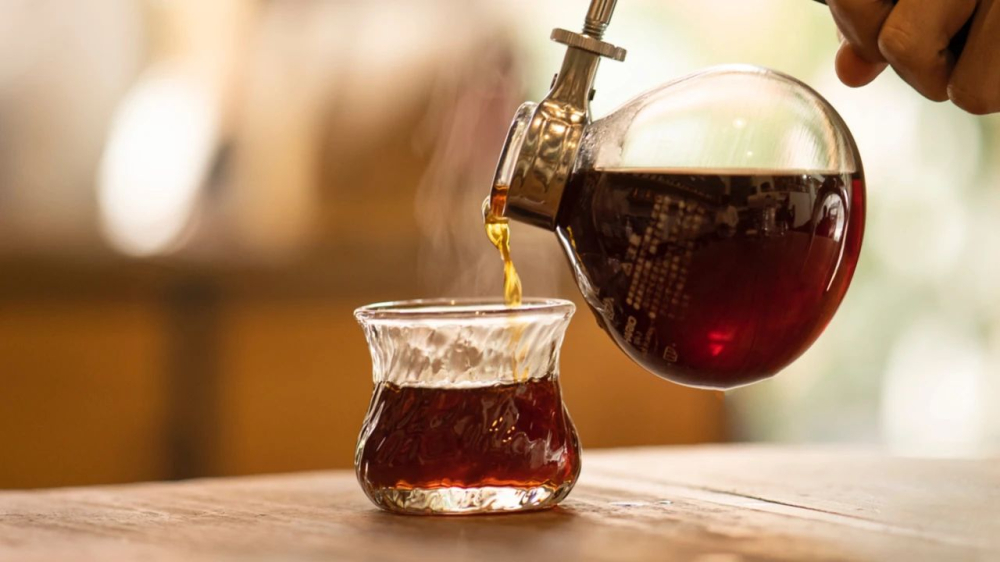
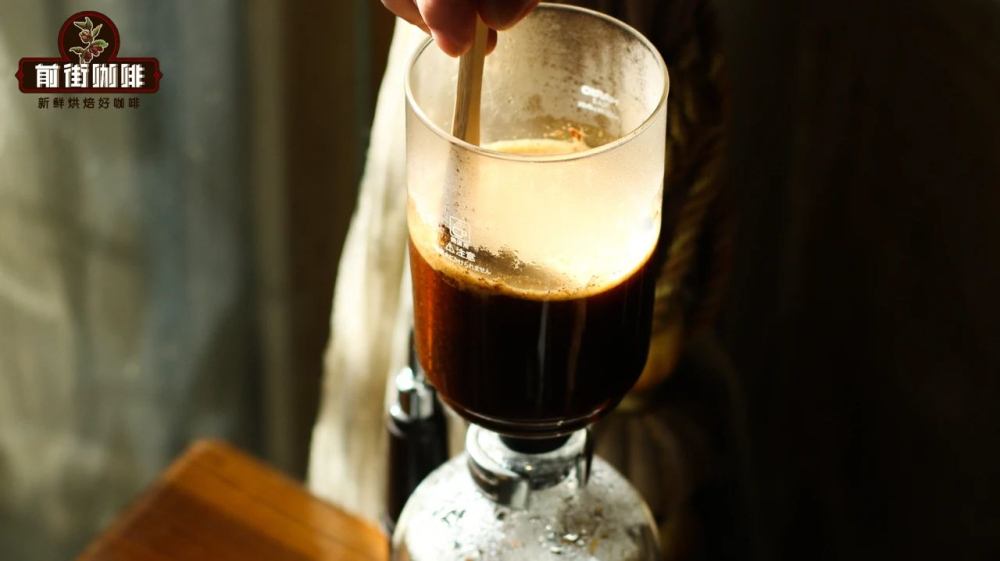
So, why is it called Sai Feng (Syphon)? This type of brewer originated in Germany, and its design utilizes the steam generated by heating water, which increases the pressure above the water surface, pushing the boiling water through a central tube into the upper chamber. After adding coffee grounds, the mixture is filtered through a cloth filter, and then, thanks to the pressure difference and cooling effect, the coffee extract flows back down into the lower chamber, completing the entire brewing process.
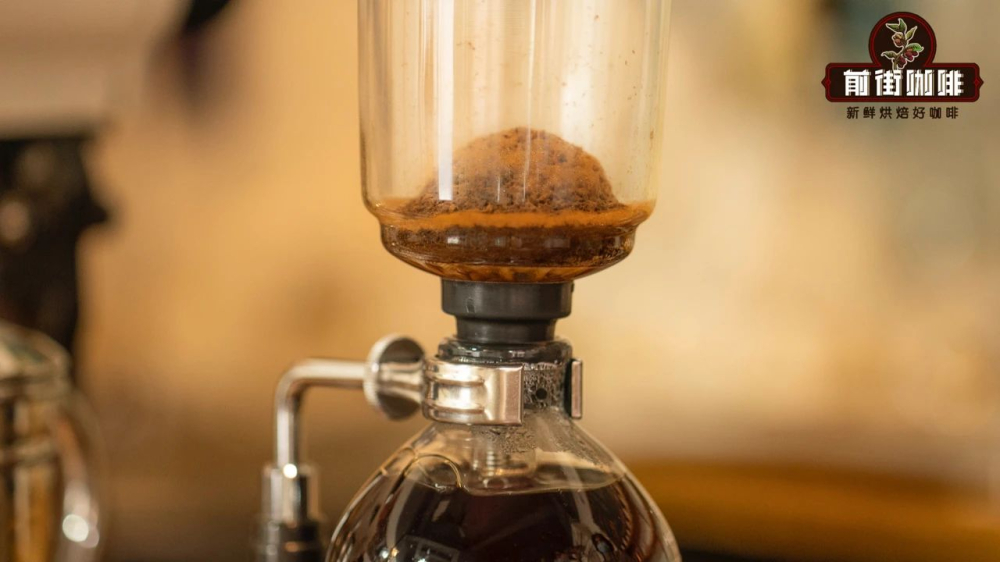
The coffee brewed with a siphon pot differs significantly in flavor from pour over coffee. Generally, pour over emphasizes bright acidity and aromatic layers, showcasing the delicate flavor profile of the coffee beans. In contrast, the siphon pot, due to its higher brewing temperature, allows coffee compounds to be released more quickly, resulting in an overall flavor that is richer, with a more pronounced bitterness.
Additionally, the siphon pot typically uses a flannel filter, which does not filter out coffee oils like a metal filter would, thus providing a fuller, rounder, and smoother mouthfeel. For coffee lovers who enjoy a rich texture and full-bodied flavor, the siphon pot is definitely worth trying.
The above content is compiled by CoffeeHunters, a coffee news website.


