







Introduction:Blended coffee beans are not just a simple mixture, but a key craft that combines flavors from different regions to create a balanced taste and unique character. This article delves into the core purpose of blending, the design philosophies driven by commercial and flavor goals, and explains the differences and applicable scenarios between “green blending” and “roast blending.” It also provides a comprehensive introduction to four classic espresso blends, covering ratios, blending methods, and flavor profiles to help readers develop a systematic understanding of blending and enhance their sensitivity to coffee flavors.
For beginners in the coffee world, the formulation of blended beans often seems like a mysterious equation. In reality, blending is not just about combining coffee beans from different origins, but rather a fusion of science and experience to create a complex flavor profile that single-origin beans alone cannot achieve.
The motivations for blending are diverse. Besides reducing procurement costs and maintaining consistent product flavors, some brands aim to create a unique taste experience that fosters customer loyalty to their proprietary recipe. Essentially, successful blending is about achieving the balance and layering that single-origin coffees often struggle to deliver.
Before starting to blend, the first task is to deeply understand the personality of each coffee bean. You need to be clear on whether the desired composite flavor is something a single origin cannot provide. If the resulting blend is inferior to one of its component beans, then the blend loses its purpose. Beginners are advised to start with a small number of bean varieties and evaluate each bean’s acidity, sweetness, body, and aftertaste through cupping to identify potential synergies.
It’s worth noting that not all single-origin beans are suitable for blending. Some coffees, while having unique characteristics, may lack depth, have overly prominent flavors, or possess unclean finishes, which can compromise overall harmony. Blending is precisely about compensating for these shortcomings of single origins to create a coffee experience with greater depth and balance.
Blending is not just about stacking—it’s akin to color mixing, where proportion and layering matter. Sometimes, pairing two single-origin beans can actually weaken their individual traits, so the role of the blender is more like that of a flavor designer, carefully assessing each bean’s place within the overall flavor profile. Whether to enhance body, highlight fruit acidity, or bring out chocolate and caramel notes depends on mastering the characteristics of the beans and continuous experimentation.
Generally, it’s recommended not to use more than five types of beans in a blend, as this can lead to flavor confusion—unless you’re a highly experienced professional. As for the blending process, you first need to clarify the target flavor, then analyze each bean’s characteristics and suitable roast levels, followed by determining proportions based on their roles (such as base, accent, or balancer), and finally adjusting through repeated cuppings until the optimal state is achieved.
Regarding the order of blending and roasting, there are primarily two approaches: “green blending” and “roast blending.” Green blending refers to mixing green beans from different regions and processing methods first, then roasting them together. This method is suitable when the recipe is already finalized, ensuring consistent overall roast levels, but it requires the beans to be similar in size and density to avoid uneven roasting. Roast blending, on the other hand, involves roasting each type of bean separately to its optimal state based on its characteristics, then blending them in proportion. This approach can better harness the potential of each bean and is suitable for the experimental phase of trying different combinations.
In most cases, using a uniform roast yields more stable results, but when facing roasting challenges or special flavor requirements, blending after separate roasting is often the better choice—especially when using drum roasters, which allow for more precise control over the caramelization level and flavor expression of each bean.
Below are four case studies of classic espresso blends, each with different market positioning and flavor directions, serving as reference templates for learning about blending.
Sunflower Warmth Blend:This blend uses a 7:3 ratio of Honduran Sherry and Ethiopian Yirgacheffe Red Cherry (sun-dried), produced via roast blending. It features notable fruit acidity and berry aromas, combined with rich wine and chocolate notes, a smooth finish, and a comforting aftertaste. Suitable for small coffee shops or consumers with high flavor expectations, it is especially recommended for espresso enthusiasts.
Premium Blend:Composed of Colombian and Brazilian beans in a 3:7 roast-blend ratio, this blend offers a balanced and gentle flavor with light bitterness and sweetness, subtle grassy aromas, and a smooth texture with a refreshing aftertaste. The Colombian beans from the Huila region provide bright acidity and aromatic richness, while the Brazilian beans from the Cerrado region contribute body and sweetness. The overall profile is ideal for daily use in most specialty coffee shops.
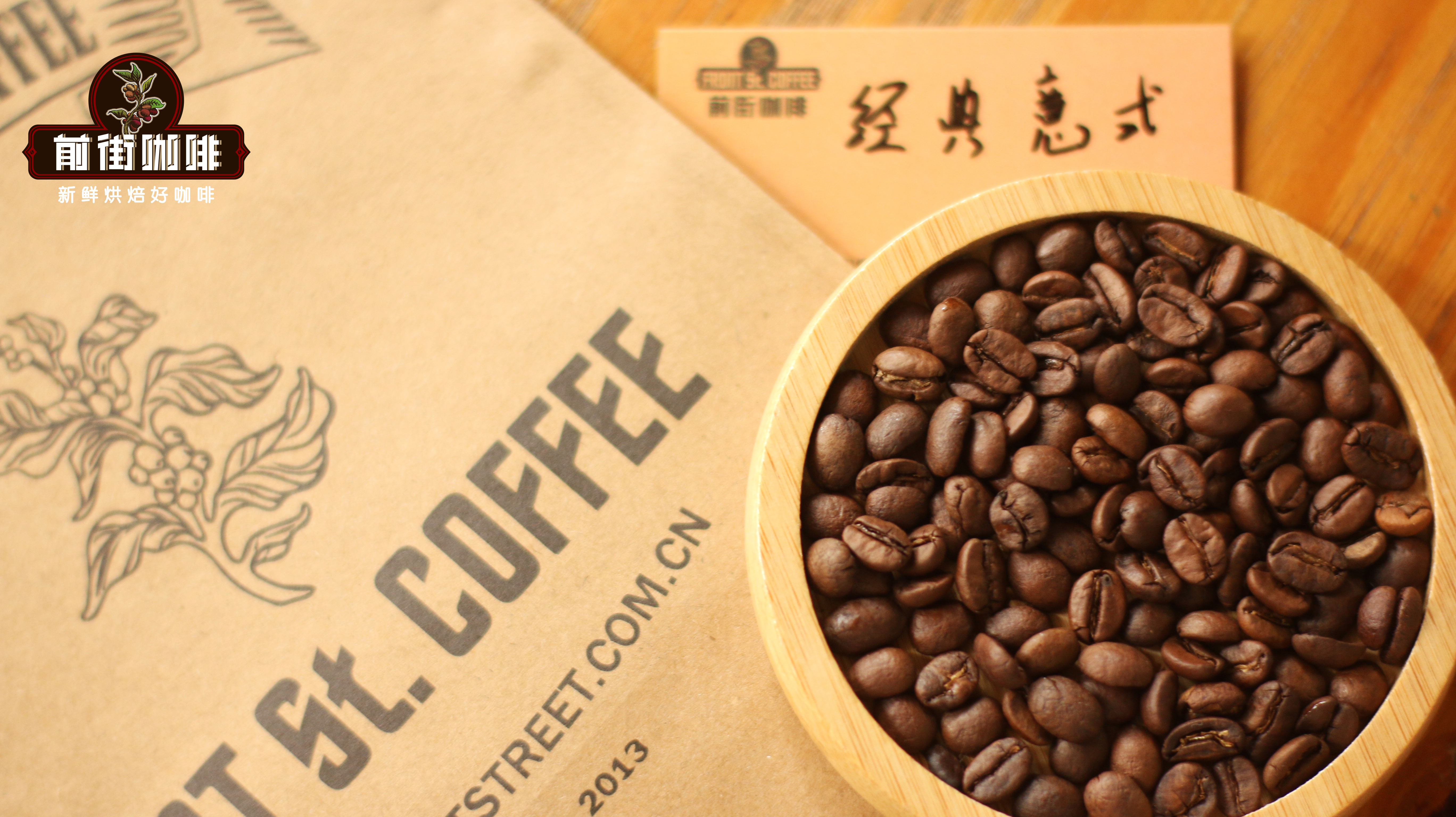
Commercial Blend:This blend uses a 3:6:1 ratio of Colombian, Brazilian, and a small amount of Robusta beans, produced via green blending. Its flavor profile is distinct, with caramel sweetness, nutty, and dark chocolate notes, balanced acidity and sweetness, moderate bitterness, and a long-lasting aftertaste. The addition of Robusta enhances the overall crema and intensity, making it suitable for large-scale coffee shops, chain beverage outlets, or commercial use prioritizing cost-effectiveness.
Dark Cocoa Blend:A roast blend of Yunnan AA and Brazilian beans in a 3:7 ratio, this is a beginner-friendly espresso blend recommended by many baristas. Its overall flavor is soft, with fruit acidity, caramel sweetness, and dark chocolate notes, a smooth texture, and a certain level of viscosity. Suitable for small coffee shops, bakeries, or general beverage outlets. The high-altitude conditions of the Yunnan region give it a boldness similar to Colombian beans, with a full body and excellent value.
Whether you’re a coffee enthusiast just starting out or a professional looking to deepen your understanding of blending logic, mastering these basic principles and examples will help you face various blending challenges with confidence and gradually build your own flavor blueprint.
The above content is compiled by CoffeeHunters, a coffee news website.


