







Introduction:Want to delve deeper into the unique charm of Indonesian Golden Mandheling coffee? This article provides a comprehensive analysis of the flavor origins of this classic Mandheling, covering regional background, PWN certification, wet-hulled processing, and G1 grade details. It also explores how Golden Mandheling showcases nutty, caramel, and pine aromas under medium-dark roasting, along with practical cupping and pour over references.
Indonesian coffee holds a notable place in the global specialty market, and Golden Mandheling is one of its most representative offerings. The Classic Golden Mandheling launched by PWN is regarded as the archetype of this style. This article will take you through the origin, variety, processing method, and grading system to deeply analyze what makes this classic Mandheling unique. It also explains how PWN certification ensures consistent quality, and how the wet-hulling process creates its low acidity and full-bodied taste.
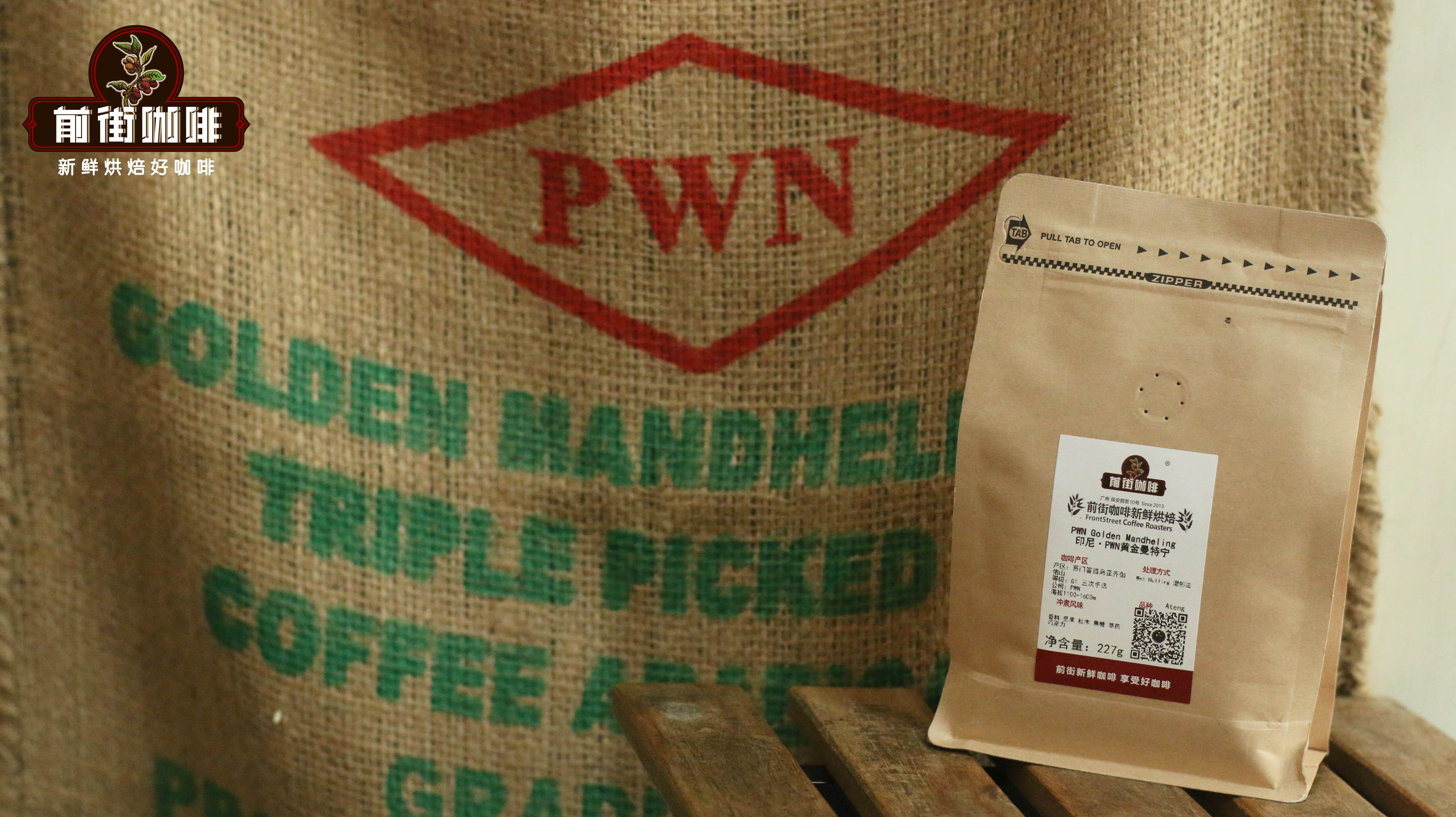
Grown in the Gayo highlands of Aceh, Sumatra, at elevations of approximately 1100 to 1600 meters, Golden Mandheling is primarily cultivated from the locally common Ateng variety. Although this variety is not mainstream among high-end commercial beans, it can still deliver outstanding flavors when processed appropriately and carefully selected. Using the traditionalwet-hulling methodis key to shaping the coffee’s low acidity, bold body, and rich characteristics.
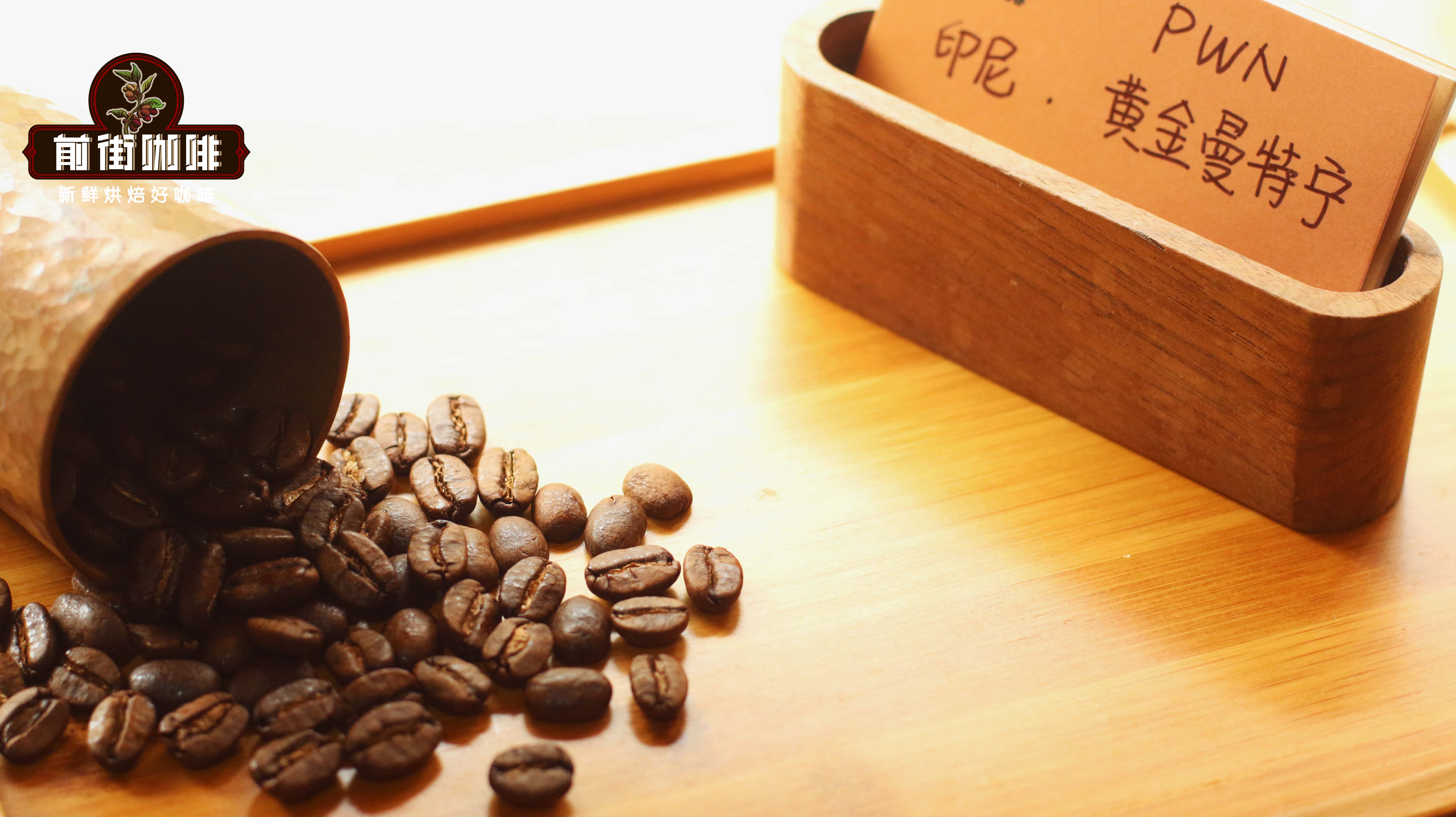
PWN Company (Pwani Coffee Company), established in 1957, is a long-standing Indonesian green coffee trader with a rich history in sourcing and quality control for Mandheling-region coffees. Its Golden Mandheling products not only undergo multiple rounds of manual sorting to remove defective beans—keeping defect rates extremely low—but also pioneered the registration of the "Golden Mandheling" trademark, making it thesole authentic supplierof this name. Every batch of PWN Golden Mandheling comes with an official certificate for authenticity verification. The packaging uses standard 30-kilogram jute sacks, each with a unique number corresponding to its certificate for easy traceability and validation.
A well-known coffee brand has also publicly displayed this genuine PWN certificate in its stores, allowing consumers to shop with confidence and gain a deeper understanding of the rigorous processes behind it. Such quality control and certification mechanisms are a key foundation for PWN Golden Mandheling’s consistent delivery of high-quality coffee.
When discussing the unique flavors of Mandheling, one cannot overlook thewet-hulling method— a processing technique unique to Indonesia. Compared to other methods, wet-hulling involves shorter fermentation times but longer drying stages, resulting in coffee beans with less noticeable acidity but a fuller body and richer aroma profile. However, because the parchment layer is removed while the beans are still semi-dry, exposing them directly to high temperature and humidity, improper handling can easily lead to earthy, grassy, or even moldy notes. Therefore,quality control is extremely crucial.
Indonesia’s coffee grading system is mainly based on the ratio of defective beans and bean size, divided into six grades from G1 to G6. Among them, G1 is the highest grade, requiring no more than 3 defective beans per 300-gram sample and a bean size of 18 mesh or above. In addition to defect rate, Indonesian authorities also stipulate that general commercial beans must have a moisture content no higher than 12.5% and an impurity rate below 0.5%.
PWN’s Golden Mandheling not only meets the G1 standard but goes further by undergoing at least three rounds of manual screening, as well as machine sorting by density and color, ensuring that every green bean is large, plump, and uniformly bright in color. This further enhances the purity and consistency of the final flavor.
To fully showcase the classic flavor profile of Mandheling, many roasters opt for amedium-dark roaststrategy. This roast level helps reduce excessive acidity and enhances the body and overall balance of flavors. Cupping results show that medium-dark roasted Golden Mandheling often features aromas of spices, herbs, and pine, with a rich bitterness of caramel, nuts, and dark chocolate upon tasting. The aftertaste carries subtle sweet notes of tropical fruit, delivering a layered, full-bodied, and clean cup. It’s a classic Indonesian coffee perfect for in-depth appreciation.
If you’re a pour over enthusiast, we recommend trying medium-dark roasted Golden Mandheling with different brewing parameters to explore its diverse flavor expressions. Whether you seek a full-bodied taste or delicate aromatics, this classic Mandheling offers a unique coffee experience.
The above content is compiled by CoffeeHunters, a coffee news website.


