







Introduction:Kenyan coffee is renowned for its vibrant berry acidity and clean, sweet profile, with AA-grade beans being the top choice among specialty coffee enthusiasts. This article delves into Kenya’s coffee-growing regions, the evolution of its classic varieties, and highlights how the K72 washed processing method brings out unique tomato and dark plum flavors. It also provides professional-grade bean selection, grinding, and three-stage pour-over parameters to help you consistently extract bright acidity and layered complexity.
Located in East Africa, Kenya is traversed by the equator through its central region, with most of the country situated on highland terrain at an average altitude of about 1,500 meters. This elevation and climate create the distinctive bright acidity and clean, refreshing sweetness of Kenyan coffee, making it highly recognizable in the specialty coffee market.
Kenyan coffee is primarily grown at elevations between 1,300 and 2,000 meters.Within this altitude range, the average annual temperature is around 15–24°C, with annual rainfall of 900–1,200 mm—ideal conditions for growing Arabica coffee. Notably, the highland areas surrounding Mount Kenya, such as the Aberdare Mountains, Nyanza, Kisii, Bungoma, Kericho, and Nakuru, are all well-known premium-producing regions.
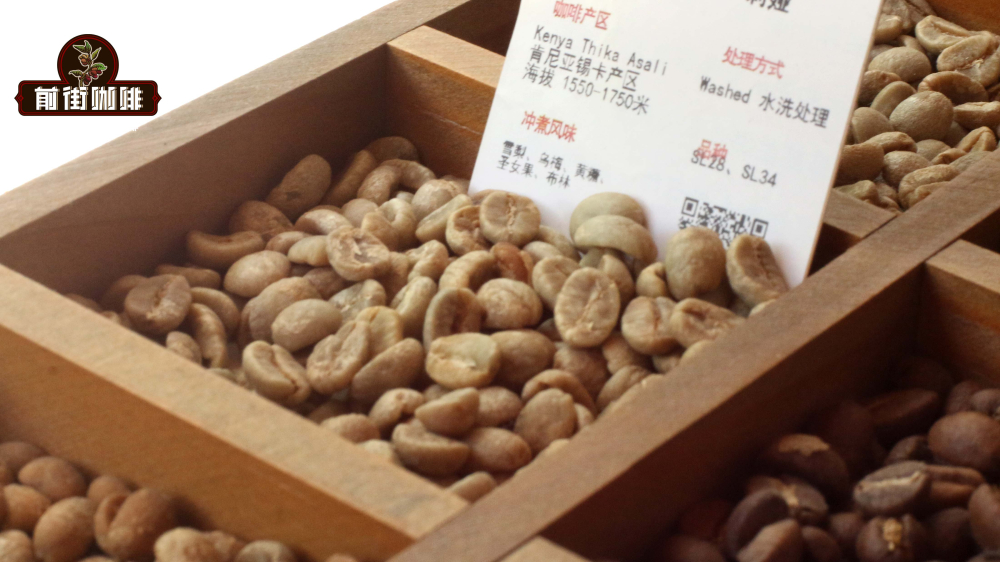
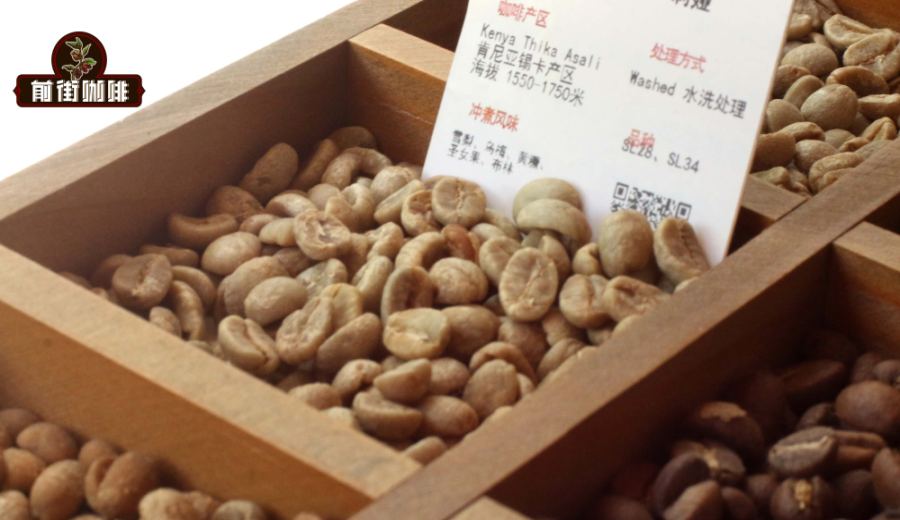
The development of Kenyan coffee varieties dates back to the 1930s, when the Scott Laboratories led the selection and breeding of the two classic varieties SL28 and SL34. These varieties boast distinctive berry-like acidity and remain sought after by many high-end Central American estates even today. Interestingly, the winning coffee of the Costa Rica COE competition two years ago used a blend of SL28 and Geisha varieties.
In addition to classic varieties, Kenya has also focused on developing disease-resistant types, such as Ruiru11. Officially recognized by the Kenyan government, this is the first coffee variety with inherent resistance to leaf rust and is often regarded as the Kenyan version of Catimor. However, in cupping tests, beans blended with Ruiru11 often exhibit less pronounced acidity and sweetness, along with slight off-flavors—highlighting how variety selection significantly impacts final flavor profiles.
What Kenyan coffee is most celebrated for is its uniqueK72 washed processing method.Unlike conventional washed processing that ferments for only 24–48 hours, Kenya employs a multi-stage fermentation process: 24 hours of initial washed fermentation to remove the mucilage, followed by a second 24-hour fermentation in clean water, and then a third 24-hour fermentation—totaling 72 hours. This long, segmented fermentation allows for more stable control of the process, resulting in clear tomato and dark plum-like acidity and sweetness while maintaining exceptional cleanliness.
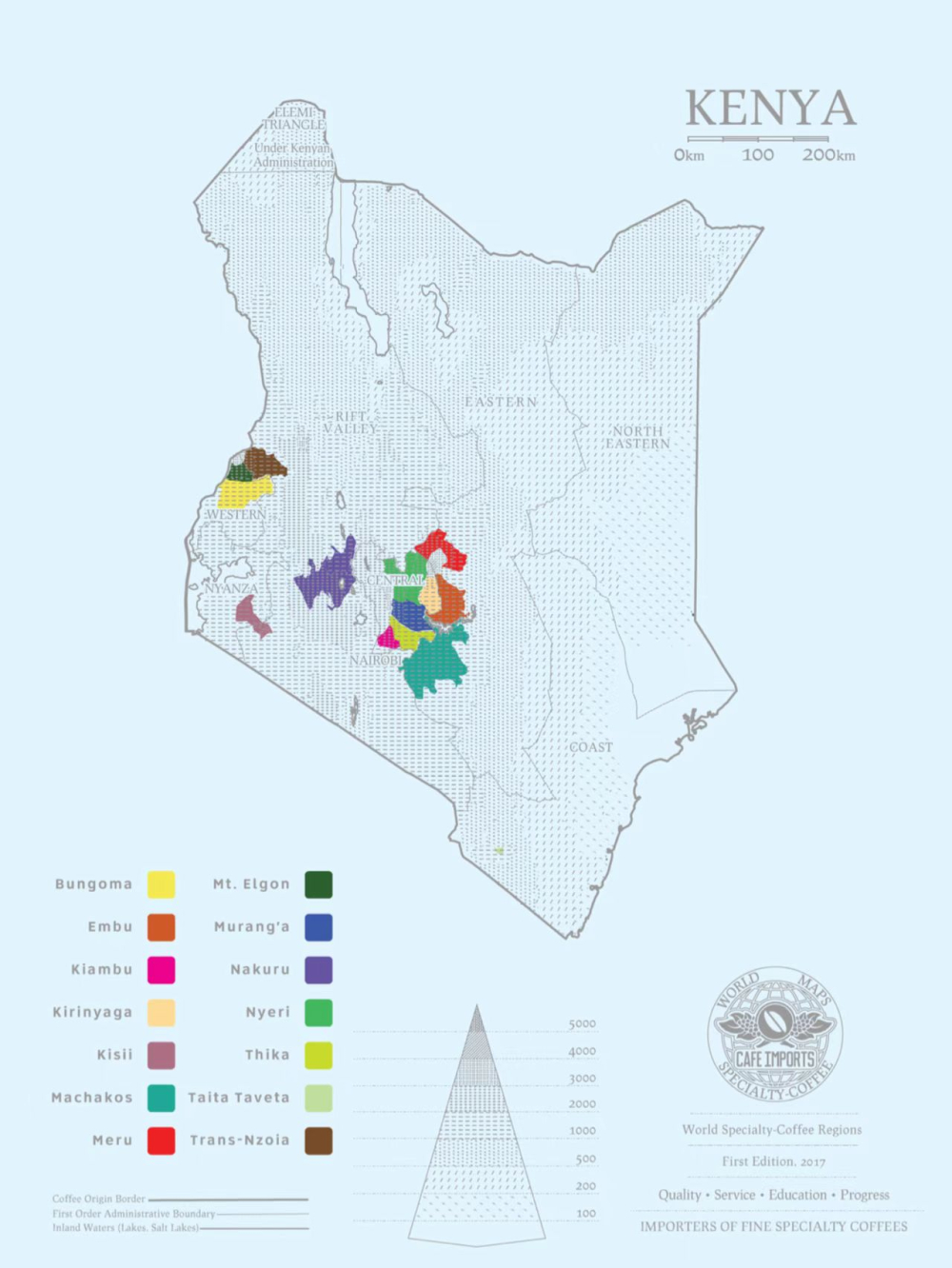
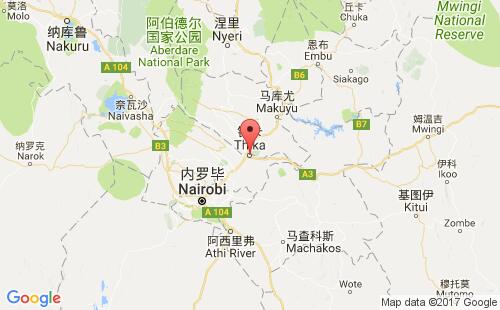
In terms of quality grading, Kenya primarily uses bean size as the main criterion, withAA grade being the highest,followed by AB grade. AA-grade beans are typically plump and uniformly sized, which not only aids in heat transfer during roasting but also helps consistently present Kenya coffee’s classic flavor profile. Generally speaking, whether from the central main producing regions or emerging areas like Kisii and Thika in the west and south, beans that reach AA or AB grades can showcase Kenya coffee’s signature bright acidity and berry notes.
After understanding the characteristics of Kenyan coffee, the next step is professionalpour-over extraction recommendationstailored to its physical and flavor traits. Grown in high-altitude, volcanic soil environments, Kenyan beans are generally dense and hard, so it’s recommended to avoid overly fine grinding—aim for a 20-number standard sieve passing rate of around 75% to effectively prevent channeling and brewing channel blockages.
As for water temperature,it is recommended to use a high temperature of 93°C,which helps fully highlight the fruit’s inherent sweetness, especially the unique tomato-like flavor. Regarding the brew ratio,a 1:16 proportion is recommended,as this maintains a rich body while showcasing the delicate dark plum acidity and overall balance.
In practice, if using a small V60 filter, it’s suggested to use at least 15 grams of coffee; for a large V60, start with 25 grams. For pouring technique, a three-stage pour is advised, paying attention to controlling bed thickness to avoid wide circular pours that may lead to uneven edge extraction or bottom clogging.
The specific steps are as follows: First, pour 30 ml of water for a 30-second bloom; then, in the second stage, pour 120 ml of water, circling from the center outward, gradually contracting toward the center as the golden foam appears until the coffee bed height reaches halfway up the shorter ribs; finally, in the third stage, pour 90 ml of water in a coin-sized circular motion. Once all the coffee liquor has dripped through, the total brew time is approximately 2 minutes (with a 10-second margin of error).
This extraction method effectively enhances the tomato aroma and sweetness of Kenyan coffee, while highlighting its solid and crystal-clear dark plum acidity—allowing you to consistently brew a representative Kenyan flavor profile at home.
The above content is compiled by CoffeeHunters, a coffee news website.


