







Introduction:Panama Geisha is renowned for its unique aroma and complex layers, standing as a pinnacle in the specialty coffee world. This article delves into the origin of the variety and its achievements in international competitions, while providing practical parameters and operational details for three classic brewing methods—pour over, siphon, and French press—to help you experience Geisha’s berry, citrus, and jasmine notes through different equipment. Whether you’re a beginner or an advanced enthusiast, you’ll find brewing inspiration suited to your level.
As specialty coffee becomes more mainstream, many still associate top-tier coffee with Jamaica Blue Mountain and Hawaiian Kona. However, with advancements in coffee-growing techniques across global regions, Panama Geisha (Geisha), with its astonishing aromatic performance and repeatedly record-breaking auction prices, has emerged as the new coffee star. This article not only introduces the origin and international accolades of Geisha but also provides a detailed guide on how to fully showcase its captivating berry, citrus, and jasmine flavors through pour over, siphon, and French press brewing.
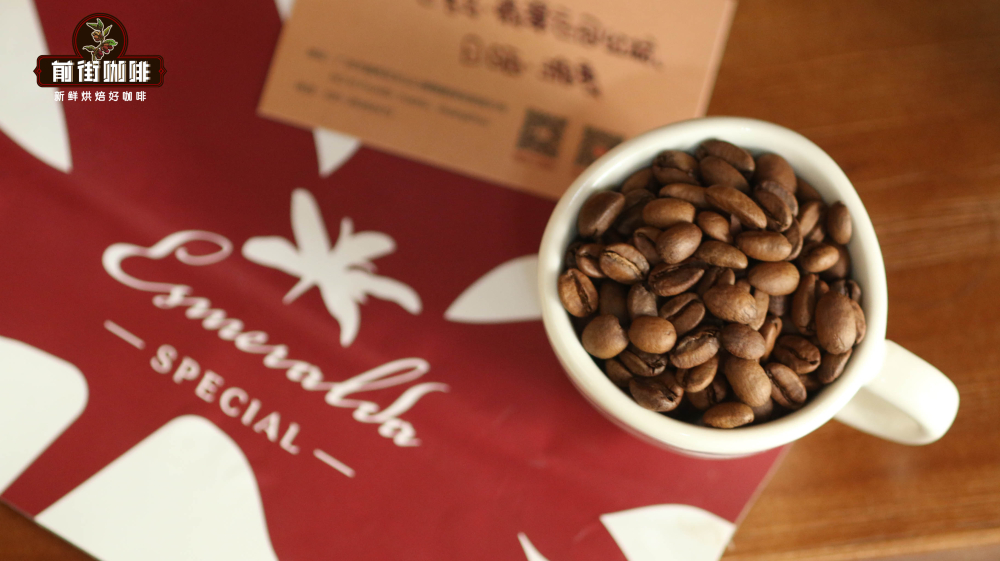
 The Geisha variety was first discovered in 1931 in the Gesha forest of Ethiopia, later introduced to Kenya for research, and subsequently spread to Uganda, Tanzania, and Costa Rica. It wasn’t until the 1970s that Mr. Francisco Serracin, owner of the Hacienda La Esmeralda farm in Panama’s Boquete region, obtained seeds from CATIE in Costa Rica, officially marking the beginning of Geisha’s cultivation history in Panama. Initially, this tall-growing, uniquely aromatic variety was used only as a windbreak. It wasn’t until it participated in Panama’s Best of Panama competition that it truly stood out.
The name Geisha is close in pronunciation to the Japanese word for “geisha,” hence it is also referred to as Geisha coffee. Due to its highly distinctive flavor profile, it has been favored in international competitions, winning championships at major events such as the Best of Panama, SCAA Roasters Guild Cupping Pavilion, and Rainforest Alliance, including four consecutive Best of Panama titles from 2004 to 2007. Its auction prices have also repeatedly hit new highs—for example, $21 per pound in 2004, soaring to $130 in 2007, and in the 2008 and 2009 Esmeralda single-estate auctions, prices surpassed the $100 mark, reaching $105 and $117 respectively.
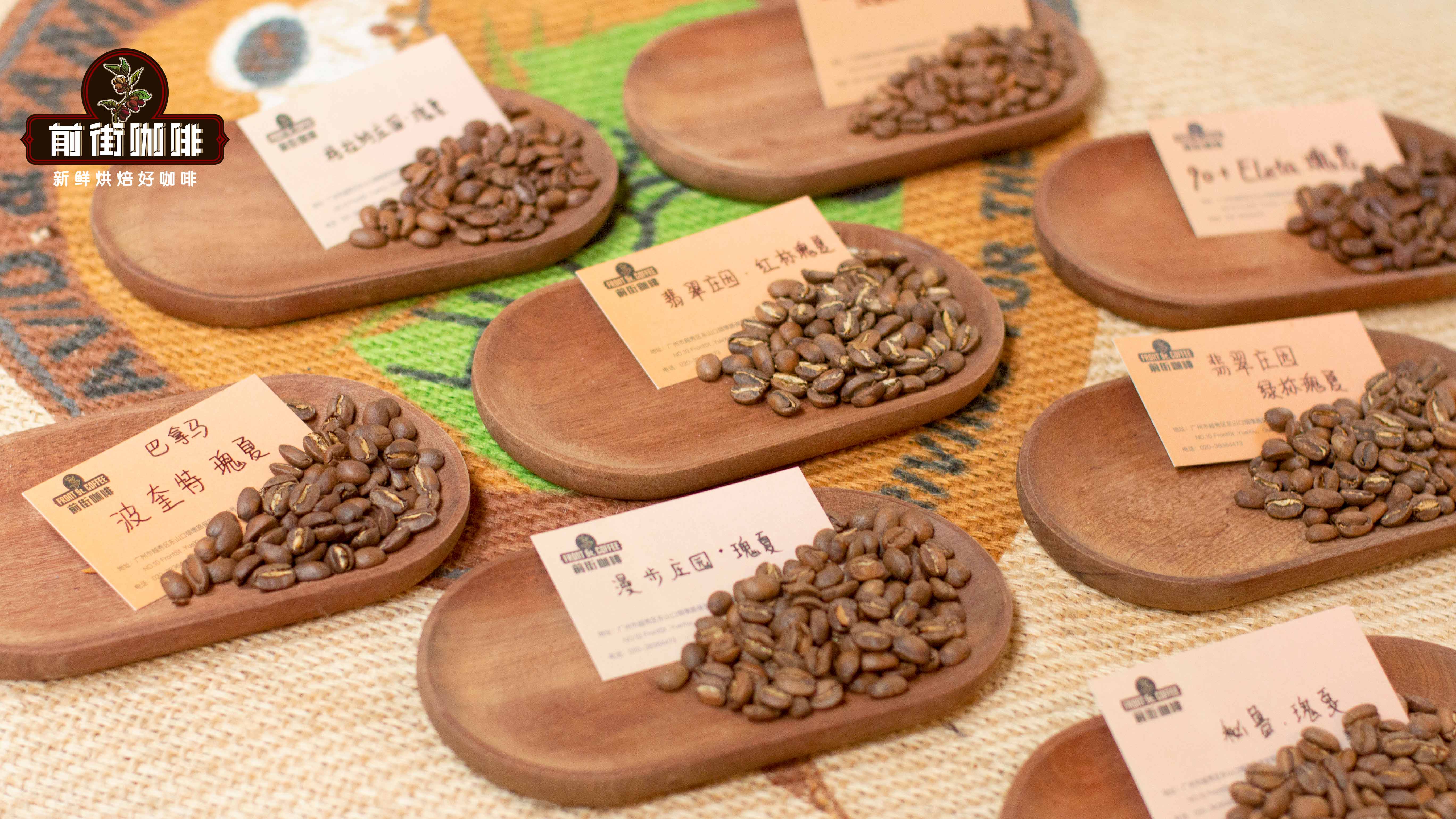 If you want to experience the most original flavor profile of Geisha, pour over is one of the most recommended methods. It is suggested to choose well-known lots such as the Emerald Red Label, Green Label, or Boquete Geisha from renowned regions. Among these, Boquete Geisha offers great value for money, making it suitable for daily drinking and skill practice. A Hario V60 dripper is recommended, with water temperature controlled at 90°C, a coffee-to-water ratio of 1:15, a grind size of medium-fine (approximately 80% passing through a Chinese No. 20 sieve), a coffee dose of 15 grams, and a total water volume of 225 grams. Use a three-stage extraction: start with 30 grams of water for a 30-second bloom, then pour up to 125 grams for the first pour, wait for the water level to drop, and continue pouring to 225 grams. The total extraction time is about 2 minutes. This method clearly highlights Geisha’s bright aromas of jasmine, coffee blossom, berry, and citrus, with rich layers and a long-lasting aftertaste.
The siphon method can bring out the richer and more full-bodied characteristics of Geisha. It is recommended to use 18 gramsof coffee grounds, with a coffee-to-water ratio of 1:10, a water temperature of about 88°C, and a finer grind size (approximately 90% passing through a No. 20 sieve). During operation, heat water in the lower chamber, and when continuous bubbles form, place the upper chamber upright, add the coffee grounds, and gently stir. After about 10 seconds, perform the first stir, then a second stir at 40 seconds. Turn off the heat about 5 seconds later and let the coffee liquid naturally flow back. The total time is about 1 minute and 10 seconds. Siphon-brewed Geisha has a more concentrated flavor, with pronounced sweetness. Though its acidity and aroma may not be as vibrant as those from pour over, its body and oily texture are distinctive features.
 If you prefer a convenient and quick brewing method, the French press is also a good option. It is recommended to set the coffee-to-water ratio between 1:15 and 1:16 , using medium-coarse coffee grounds and avoiding too fine a grind. Start by pouring hot water and begin timing.First, pour 120 grams of hot water for a 30-second bloom, then add the remaining water. Let it steep for a total of about 4 minutes, and finally press the filter down slowly with about 7–9 kilograms of force, immediately pouring out the coffee to avoid over-extraction. French press-brewed Geisha typically showcases bright fruit acidity and rich sweetness, with a cocoa-like aroma in the aftertaste. Although its aromatic intensity is slightly less than that of pour over, the overall balance and ease of drinking make it suitable for everyday enjoyment.
The above content is compiled by CoffeeHunters, a coffee news website.


