







Introduction:As one of Ethiopia’s most iconic specialty coffee regions, Yirgacheffe is renowned for its unique fruity and floral flavor profiles, making it a top choice for many coffee enthusiasts just starting their journey. This article will delve into the geographical background and processing characteristics of this region, with a focus on the practical performance of the Natural Dume SS G1 green beans. From its flavor profile to recommended brewing methods, we’ll provide a comprehensive guide to this high-value coffee bean—offering insights for both beginners and advanced coffee lovers alike.
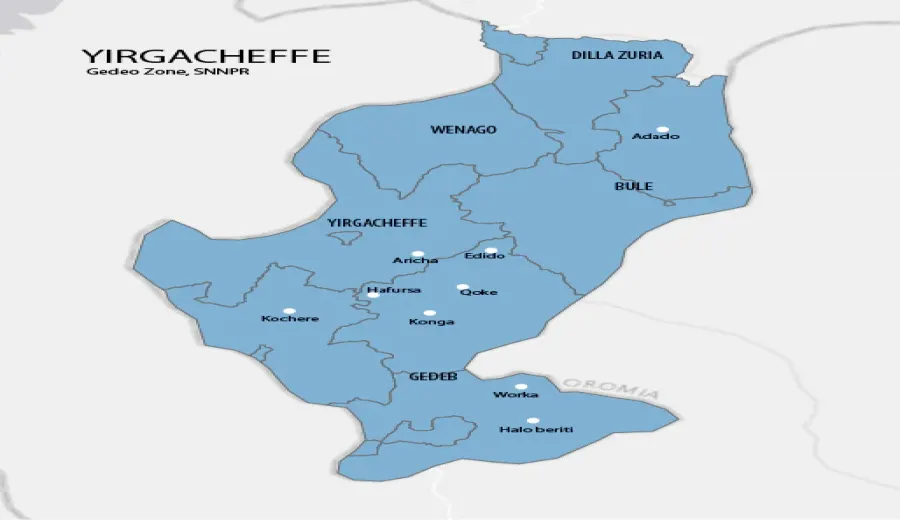
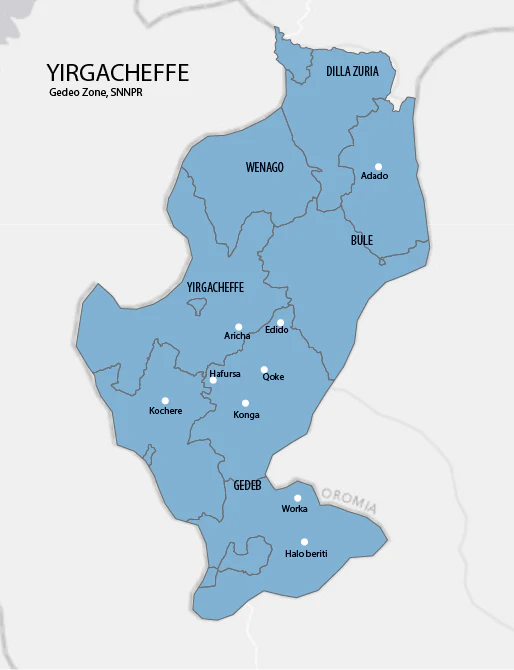
Yirgacheffe is located in Ethiopia’s Southern Nations, Nationalities, and Peoples' Region, within the Gedeo Zone. Originally part of the Sidamo region, it gradually developed distinct regional flavor characteristics due to the establishment of washed coffee processing facilities and the introduction of specialized techniques, eventually emerging as an independent coffee-producing area. The region boasts abundant springs and crystal-clear water, creating ideal conditions for washed processing and contributing to the highly recognizable clean and bright taste of its coffees.
Interestingly, the name “Yirgacheffe” originates from ancient Ethiopian languages, combining “Yərga,” meaning peaceful or tranquil, and “Č̣äfe,” referring to a marsh-like, humid terrain. Literally, it can be interpreted as “let us settle in the wetlands,” poetically reflecting the area’s geography and cultural essence.
When people think of Yirgacheffe, they often associate it with its bright and vibrant acidity, delicate floral notes, and honey-like finish. Compared to the heavy bitterness of traditionally dark-roasted coffees, beans from this region often exhibit flavors of lemon, white flowers, and soft fruit sweetness, with a clear and layered flavor profile—making it an excellent first choice for those exploring specialty coffee. With a balanced acidity and sweetness, its taste is as refreshing as fruit tea, which is why it’s a favorite among many newcomers trying single-origin beans.
For those already familiar with the world of specialty coffee, the diverse processing methods of Yirgacheffe offer another highlight. From traditional washed processing to highly expressive natural methods, different techniques impart uniquely distinct personalities to the coffee. Next, we’ll focus on one high-value and flavorful green bean—Natural Dume SS G1—and take you on a deep dive into its unique charm.
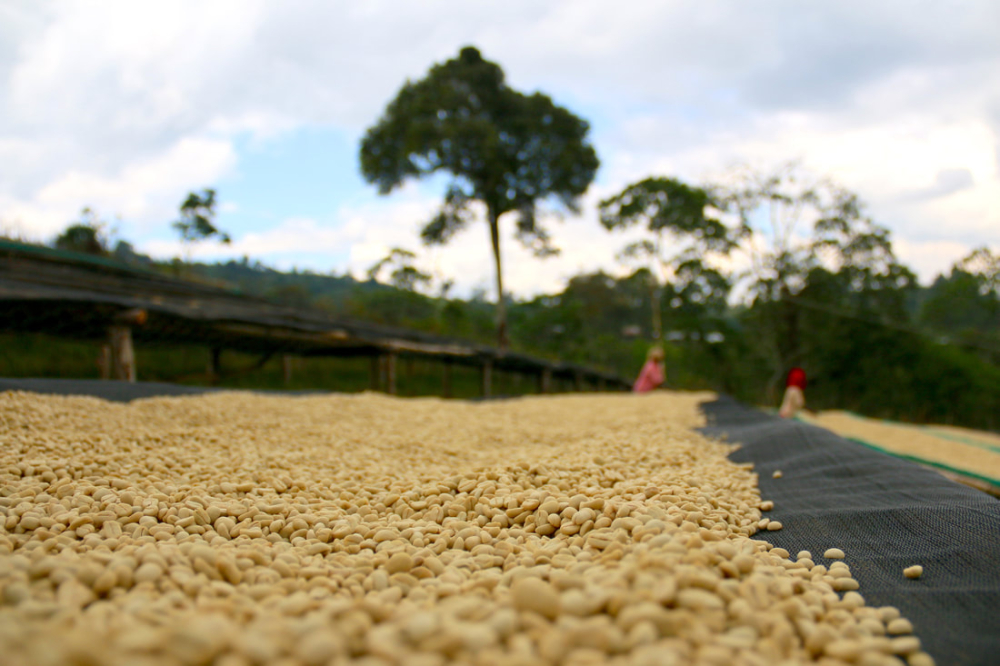
The natural processing method is one of the oldest and most traditional ways of handling coffee. Its defining feature is the placement of whole red coffee cherries on raised beds, where they are naturally sun-dried over an extended period. During this time, the cherries are regularly turned to prevent over-fermentation or uneven drying. This method preserves the natural sugars in the fruit pulp and mucilage, resulting in a richer mouthfeel, more intense aroma, and pronounced sweetness. For coffee lovers who enjoy flavors of ripe fruit, wine-like notes, and bold taste profiles, natural-processed beans often deliver delightful surprises.
Take Natural Dume SS G1 as an example. This green bean is processed using fully ripe red cherries, retaining the complete mucilage layer. Through strict control of drying temperature and regular turning during sun exposure, the risk of defective flavors is minimized. When brewed, it often showcases a rich array of fruit aromas such as blueberry, citrus, and apricot, along with a hint of gentle fermentation notes. The acidity is bright yet not overpowering, the sweetness is long-lasting, and the overall flavor is full-bodied and layered—making it an excellent choice for advanced coffee enthusiasts.
If you prefer a cleaner, more pronounced citrus profile, you might also try other washed-process coffees from the same region, such as Washed Guji Dingding. Its dry fragrance is dominated by white floral and citrus notes, while the cup offers a refreshing burst of yellow lemon and berries, paired with a mid-palate reminiscent of oolong tea. It has a delicate flavor and a clean aftertaste, making it suitable for drinkers who favor subtle, sweet-and-sour profiles.
In the context of espresso applications, the Yirgacheffe SOE series demonstrates remarkable extraction potential. Processed with sun-dried whole red cherries, it delivers intense berry aromas coupled with a light creamy tone, complemented by citrus and black tea notes in the finish. It’s highly suitable for crafting Americanos or Australian-style white coffee, allowing the distinctive fresh fruit character of Yirgacheffe to shine through even within the bold foundation of espresso.
In summary, Yirgacheffe is not only one of the symbols of Ethiopia’s specialty coffee, but its diverse processing methods and flavor expressions also cater to the varied preferences of everyone from beginners to seasoned enthusiasts. If you’re looking for a high-value, distinctly flavored, and representative regional bean, consider starting with Natural Dume SS G1. By adjusting grind size and water temperature appropriately, you can bring out its most captivating fruity sweetness and rich body.
The above content is compiled by CoffeeHunters, a coffee news website.


