







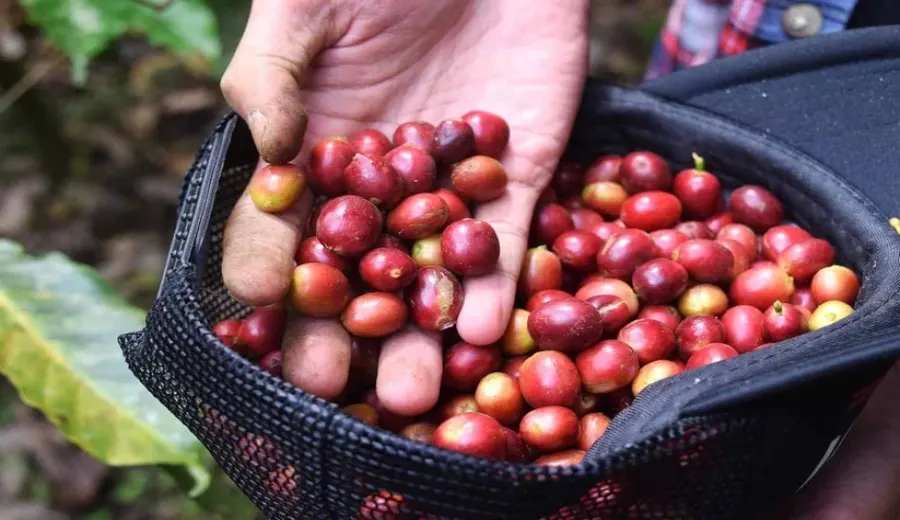
Introduction:An in-depth exploration of the Sumatran Golden Mandheling G1 from terroir to roast profile, analyzing how the wet-hulling process creates its distinctive spicy character, along with professional roast parameters and cupping flavor notes. Whether you’re a beginner or advanced enthusiast, learn the key brewing techniques and flavor traits of this classic Indonesian bean.
Sumatran coffee is globally renowned for its rich and full-bodied profile, and the PWN-certified Golden Mandheling G1 stands out as a premium representation. These Arabica beans from the Lintong region in North Sumatra, processed via the unique wet-hulling method and medium-dark roast, exhibit complex layers of spices, herbs, and caramelized chocolate. This article takes you through the region’s geography, processing methods, and actual roast curves to fully appreciate the charm of this classic bean.
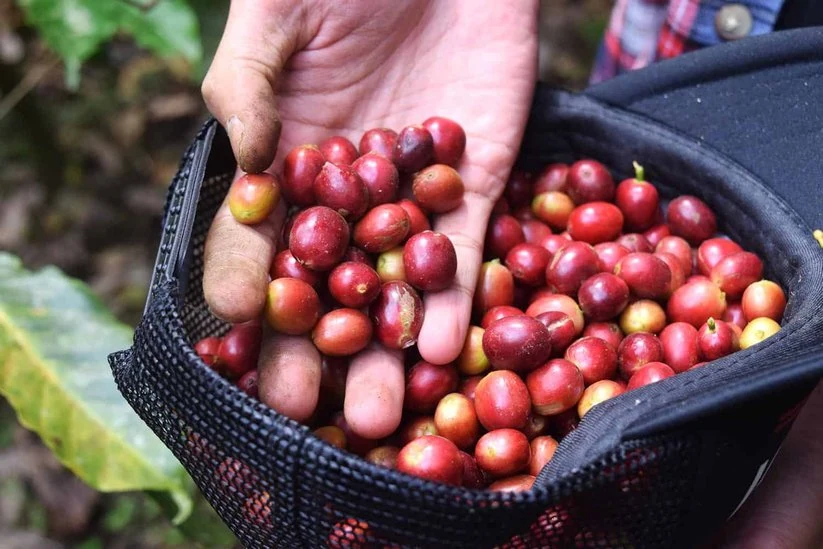
The history of coffee cultivation in Indonesia dates back to the Dutch colonial period on Java, but what truly established its international reputation were the regions of Aceh and North Sumatra in the northern part of the island. These two major producing areas are surrounded by the volcanic lakes of Lake Toba and Lake Tawar, where fertile volcanic soils and stable high-altitude environments provide ideal growing conditions for coffee trees. Particularly in the Lintong region, its microclimate contributes to distinct herbal and woody aromas, which was a key reason why Japanese buyers favored Sumatran beans in the early days.
The term "Mandheling" is actually a regional designation, strictly referring to a small planting zone in the southwestern part of Lintong. Nowadays, the market often broadly refers to refined Arabica from Sumatra as Mandheling, though about 90% of it is Robusta. However, the truly high-quality Lintong/Mandheling-grade Arabica is what coffee enthusiasts seek. These beans are mostly processed using the region’s unique wet-hulling method, resulting in a flavor profile distinctly different from other regions.
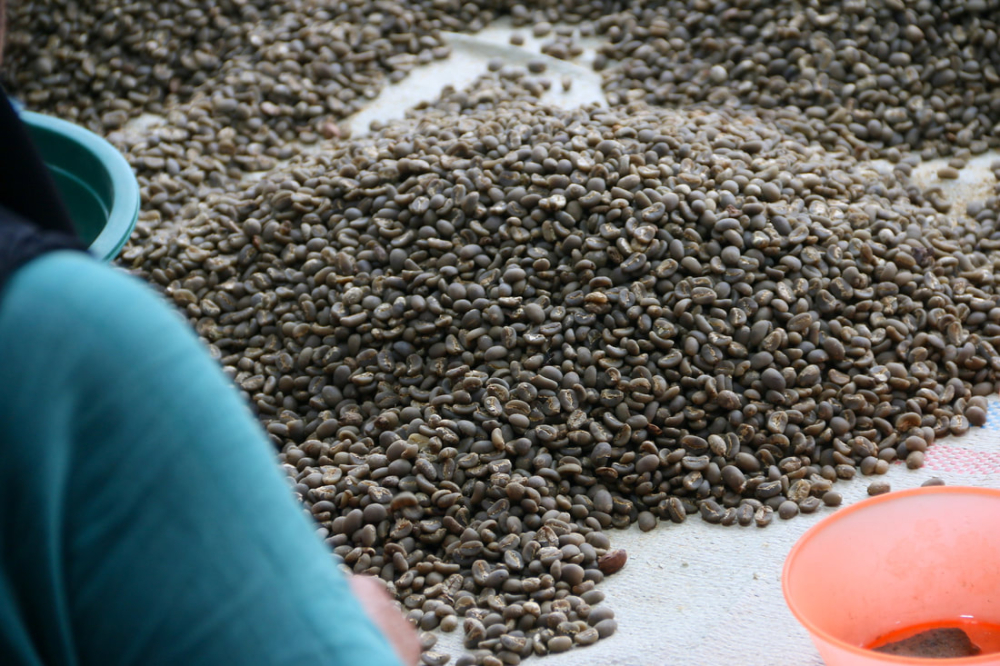
The key to the wet-hulling process lies in the unique step of “semi-dry parchment removal.” After harvesting, the coffee cherries first have their skins and pulp removed by a pulper, then undergo a 3-hour fermentation before entering the drying phase, at which point the moisture content is controlled at 30%–50% in a semi-dry state. Unlike traditional washed or sun-dried processes, the processor will peel off the still not fully dried parchment layer at this stage, then continue drying to a final moisture content of 12%–13%. While this method significantly shortens processing time, the beans in their semi-dry state are fragile and prone to defects such as chipping at the ends, so strict hand sorting is required before export.
For the characteristics of Golden Mandheling G1, a medium-dark roast is the best way to bring out its potential. Practical parameters from a coffee shop show: using a Yangjia 800N roaster, when charging 550g of beans, special attention should be paid to the drying phase—start with an inlet temperature of 200°C, close the damper for a 30-second bloom, then open the damper to 3 once the bean color turns light green, and adjust to 4 as the color further turns white. First crack occurs around 191.2°C (9’54”), continuing to develop for 3 minutes and 30 seconds before dropping at 204.5°C. At this point, the beans exhibit a dark brown color with an oily sheen, acidity is effectively muted while body is enhanced.
Cupping records show that this bean presents three distinct layers of flavor transition: the entrance features prominent spicy and herbal notes (such as clove and cinnamon), the mid-palate transitions into rich caramel and dark chocolate undertones, and the finish carries a mellow woody tone reminiscent of Pu-erh tea. Notably, its body is full and the aftertaste lingers, making it suitable for use with French press or AeroPress to amplify its bold character. Brewing recommendations: a 1:15 coffee-to-water ratio, water temperature of 90–91°C, medium-coarse grind to balance its high concentration and complex flavors.
The above content is compiled by CoffeeHunters, a coffee news website.


