








Introduction:This article delves into the evolution of espresso extraction, analyzing how five key parameters—dose, water temperature, pressure, time, and grind size—have changed with shifting roasting trends and equipment advancements. It also compares the SCAA Golden Cup standards with today’s practical extraction parameters. Through real-world examples, it explains how to adjust extraction conditions to achieve optimal flavor, and explores the unique characteristics and proper tasting method of the Sunflower Warmth blend.
Espresso extraction parameters have long been a focal point for both industry professionals and enthusiasts. In the past, the Specialty Coffee Association of America (SCAA) recommended using 9–10 atmospheres of pressure, 7–9 grams of coffee grounds, a water temperature of 88–92°C, and extracting 45 milliliters of espresso within 22–28 seconds. However, as specialty coffee culture has evolved, modern cafés have largely moved beyond these guidelines, adopting more flexible and bean-specific adjustments.

When discussing espresso extraction, we often focus on the combination of dose and brew ratio, but the true key lies in the core metric of “extraction yield.” Generally, about 70% of coffee beans consist of insoluble fiber, while only 30% comprises water-soluble substances, and only a portion of those contribute to desirable flavors. Improper extraction not only fails to release good flavors but can also bring out undesirable off-notes.
Compared to pour over coffee, espresso—due to high-pressure extraction—delivers a more concentrated and intense flavor, but the downside is that defects are also amplified. For this reason, the quality of the espresso base, not just the milk, is crucial for a great latte or cappuccino.
In the past, the market favored dark-roasted beans with rich nutty and cocoa notes, even embracing pronounced bitter and burnt flavors. But with the rise of the third wave of specialty coffee, consumers have begun to seek brighter fruit and floral profiles, leading to a general shift toward medium to light roasts. Against this backdrop, continuing to use older water temperatures and extraction parameters often results in a loss of nuance and detail in the cup.

Current industry-standard practical parameters have adjusted to using around 18 grams of coffee, aiming for an extracted liquid weight of about 30 grams, with a water temperature set between 92–94°C and an extraction time of approximately 25–27 seconds. It’s important to note that modern extraction evaluation no longer relies solely on the volume of the coffee liquid but places greater emphasis on actual liquid weight data. Factors such as pressure variations, roast level, and bean freshness directly affect crema thickness and stability, making visual judgment based solely on liquid level prone to error.
In recent years, coffee machine technology has advanced rapidly, with variable pressure extraction and pressure curve control becoming standard features in high-end machines. The traditional fixed 9-bar pressure operation mode has been broken, with many shops now adopting pre-infusion stages and gradually decreasing pressure curves in the mid-to-late stages of extraction, resulting in more nuanced and dynamic coffee profiles. Even the same coffee beans can exhibit vastly different flavor directions under different pressure curves.
One coffee brand adjusts multiple variables in practice—including dose, grind size, water temperature, pressure, extraction time, and final liquid weight—to accommodate daily changes in bean condition and environmental factors. Below are the common practical parameter settings used by this brand after adjustments:
Practical Case: Espresso Extraction Parameters of a Certain Brand
• Grinder: Galileo Q18
• Grind Size: 2.1 (medium-fine)
• Espresso Machine: Faema E98
• Extraction Pressure: 9 bar ±2
• Water Temperature: 90.5 ~ 96°C
• Extraction Time: 20 ~ 30 seconds
• Dose: 19.7 grams (double shot)
• Extracted Liquid Weight: 35 milliliters
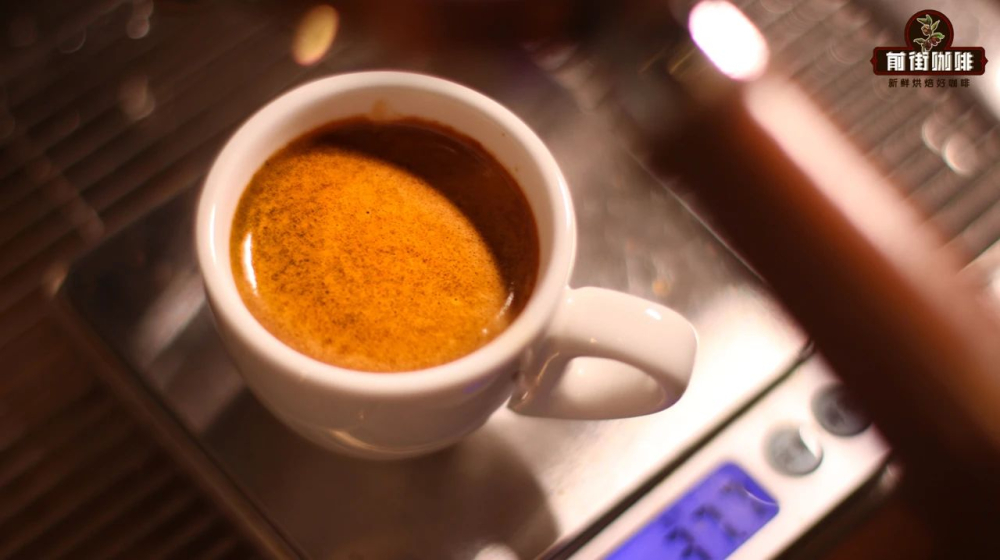
Through the above parameter adjustments, the espressos produced by this brand often showcase a rich whiskey-like aroma, coupled with a smooth vanilla and creamy texture. On the palate, bright berry acidity shines through, while the finish lingers with the deep, velvety notes of dark chocolate.
This captivating whiskey-like character primarily comes from the brand’s ‘Sunflower Warmth’ blend. This blend consists of 70% Honduran Sherry and 30% Ethiopian Natural Red Cherry. The Honduran beans undergo a washed process followed by low-temperature fermentation in sherry whiskey barrels, imparting a bold winey aroma and sweetness. Meanwhile, the Ethiopian Natural Red Cherry contributes vibrant berry acidity and fruity notes, balancing the overall profile with an approachable and enjoyable complexity.
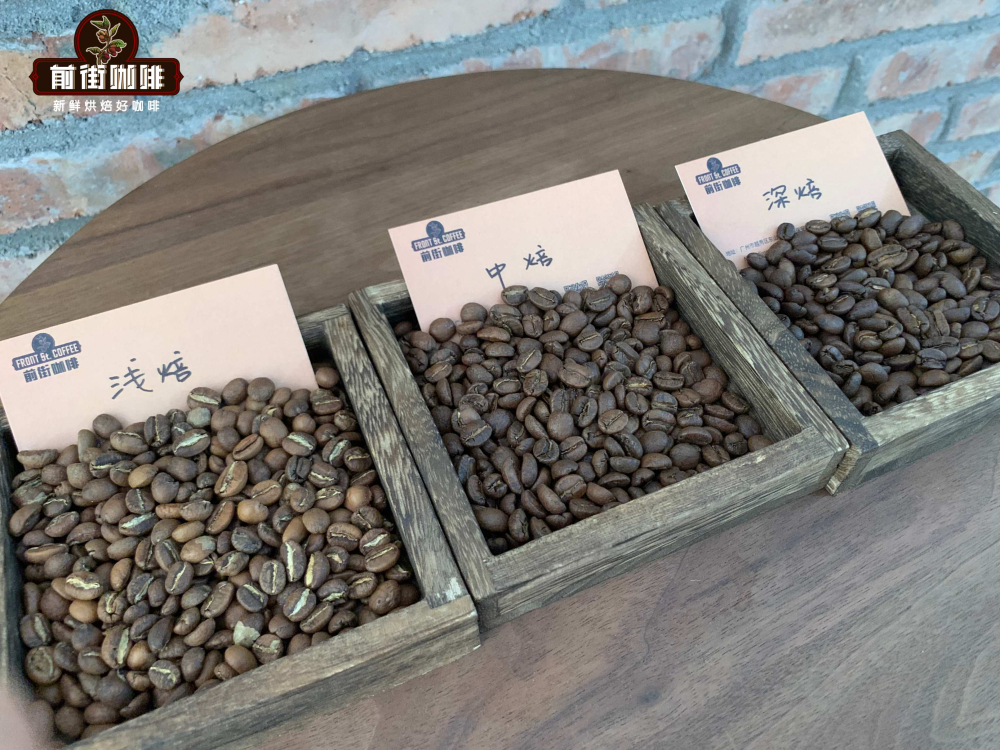
When tasting espresso, many consumers wonder how to enjoy it properly. It’s recommended to take a sip of ice water beforehand to cleanse the palate, allowing the coffee flavors to come through more clearly. Additionally, using the included small spoon to gently stir the surface of the coffee helps integrate the crema with the underlying liquid, enhancing the perception of a fuller range of layers and textures. Observing the color and density of the crema is also a straightforward indicator of whether the extraction was successful.
The above content is compiled by CoffeeHunters, a coffee news website.


