







Introduction:Want to know if Ethiopia’s Kochere is part of the Yirgacheffe region? This article provides a comprehensive analysis of the connection between Kochere and Yirgacheffe, introducing you to this well-known sub-region famous for its washed processing. We’ll take an in-depth look at the unique flavor profile and practical brewing techniques of Kochere washed beans—from altitude and processing method to roast curve and pour over parameters. It’s perfect for coffee beginners and advanced enthusiasts alike who want to explore the flavors of African beans.
Ethiopia is the birthplace of global Arabica coffee, home to many iconic regions including Yirgacheffe, Sidamo, Guji, and Anfillo. Among them, Yirgacheffe has long enjoyed an outstanding reputation in the specialty coffee market for its bright acidity, floral notes, and citrus tones. Within these diverse regions, Kochere—due to its similar flavor profile and washed processing style—often raises one question: Is Kochere actually part of Yirgacheffe?
In fact, Kochere is located near Yirgacheffe. Initially, it was one of the small regions surrounding Yirgacheffe, but in 2009 it was officially designated as an independent sub-region by the Ethiopian government. However, it is still often categorized under the broader Yirgacheffe classification for trading and grading purposes. The region’s elevation is approximately 1650 to 1800 meters, with production mainly coming from smallholder farmers whose average farm size is only about 1 hectare (roughly 15 mu). The dominant processing method is washed, resulting in a clean, bright, and layered flavor profile.
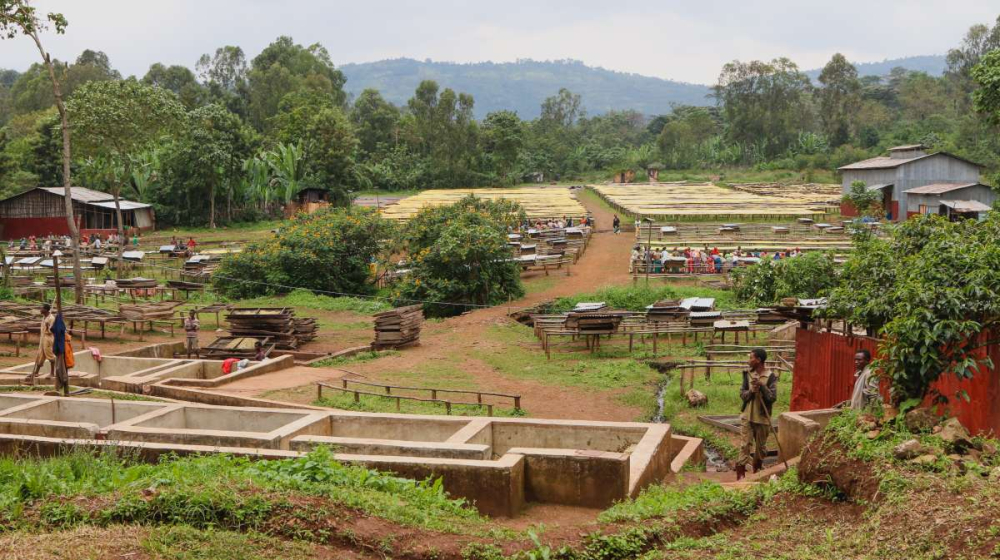
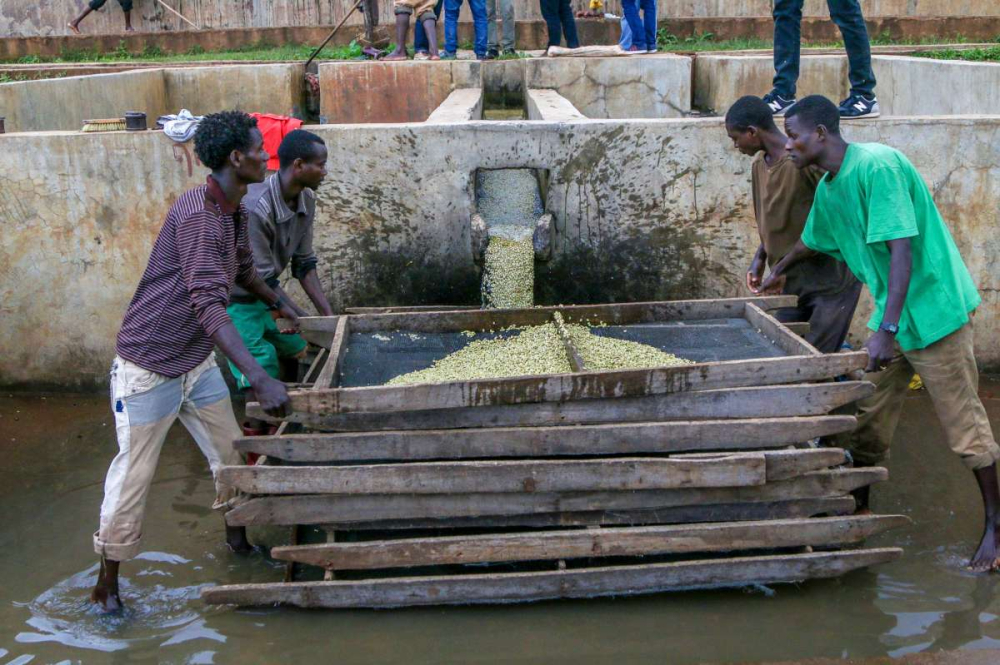
Coffee from the Kochere region is typically harvested as red cherries by local smallholders and then delivered to nearby washed processing stations for unified processing. These stations are generally equipped with relatively advanced fermentation and washing facilities, which help improve overall bean quality and consistency. Washed processing is a method that removes the pulp and mucilage through soaking and mechanical friction. Though it requires more water, it effectively reduces defect rates while highlighting clearer acidity and fruity aromas.
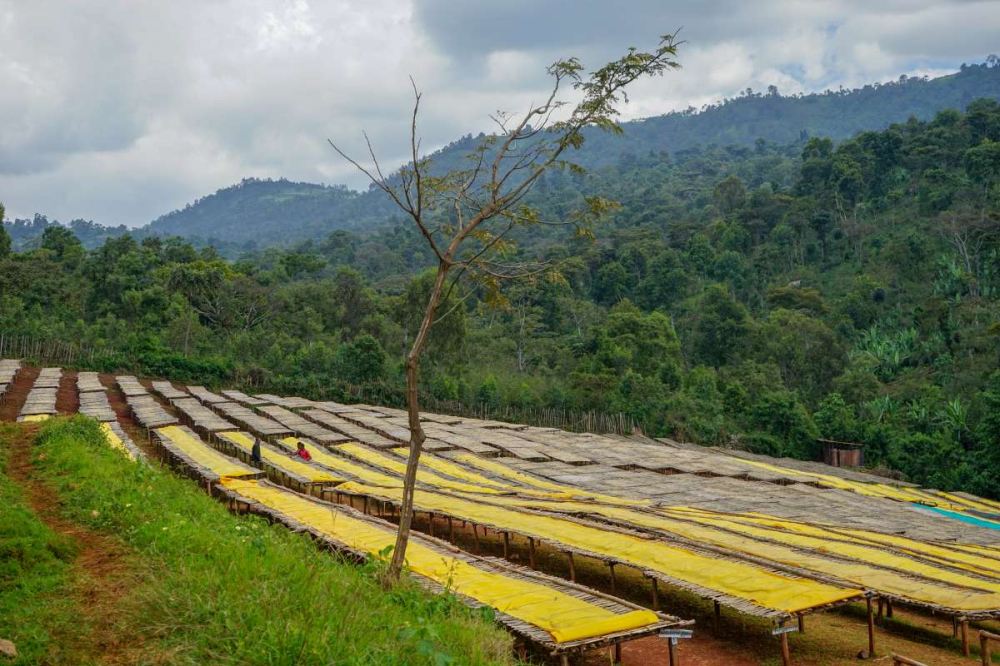
During processing, harvested coffee cherries are first sorted to remove unripe or overripe ones, followed by depulping and fermentation. Once fermentation is complete, the beans are thoroughly rinsed with large amounts of clean water until the surface is smooth and residue-free. Then, the parchment-covered green beans are spread out on raised beds or African drying tables to sun-dry for an extended period until the moisture content drops below 12%, ensuring stable storage and transport. This step not only affects flavor purity but also plays a key role in the final sweetness and body.
The Kochere washed beans selected by this shop belong to Grade G1, using local native varieties and roasted to a medium-light level. This roast degree fully preserves the coffee’s inherent bright acidity and aromatic complexity, making it ideal for coffee lovers who enjoy fresh and vibrant flavors. During roasting, a Yangjia 600g semi-direct-fire roaster is used, with an initial charge temperature of 200°C, gradually adjusting heat and airflow to control the first crack starting point at around 192°C, ensuring balanced flavor and full development.
Cupping results show that this Kochere washed bean exhibits pronounced notes oforange blossom, lemon, black tea, and fruity acidity. It tastes fresh and lively on the palate, with bright acidity that is never harsh, and a soft tea-like aftertaste. The overall cup is clean and layered. This flavor profile is a typical characteristic of high-altitude Ethiopian washed beans and is considered by many pour over enthusiasts as a “classic” taste.
If you’d like to brew this Kochere washed bean at home, we recommend using a V60 filter, with 15 grams of coffee grounds,91°C water temperature, and a fine grind with an 80% extraction rate through a #20 sieve Fine grind with 80% passing through a #20 mesh sieve. The recommended coffee-to-water ratio is set at 1:15, and a three-stage pouring method is suggested: the first stage involves a 30ml bloom for 30 seconds ; the second stage uses a small stream to circle the center until reaching; the second stage involves pouring with a small stream in a circular motion at the center until 125ml; the third stage resumes pouring after the water level drops until reaching 225ml, with the total brew time controlled at around 2 minutes.
These parameters are designed to highlight the citrus tones and black tea finish of Kochere washed beans, while avoiding over-extraction that could lead to astringency or off-flavors. It is recommended to use freshly roasted beans, with the optimal tasting window being from the 4th to the 40th day after roasting. For the fullest flavor experience, try to start drinking within the first week after roasting.
In summary, although Kochere is often grouped under Yirgacheffe, as an independent sub-region it has its own distinct flavor characteristics and processing traditions. From high-altitude cultivation and meticulous management by smallholders, to the rigorous craftsmanship of washed processing, every step contributes to its bright acidity, citrus and floral notes, and black tea-like body. Whether you’re a beginner in pour over brewing or an experienced enthusiast familiar with African beans, Kochere washed beans are a classic choice worth exploring in depth.
The above content is compiled by CoffeeHunters, a coffee news website.


