








Introduction:Maragogype, a rare giant variety within Arabica coffee, captivates many coffee enthusiasts with its distinctive size and rich flavor profile. This article delves into the cultivation status and varietal characteristics of Maragogype in Nicaragua, analyzes its flavor wheel through practical cupping, and provides expert pour-over brewing recommendations to help you fully appreciate the charm of this unique bean.
Global coffee varieties are primarily divided into three major categories: Arabica, Robusta, and Liberica. Among them, Arabica is often referred to as the small-bean variety due to its smaller bean size. However, within the mutations of Arabica, there exists an extraordinary variety with astonishing bean size — Maragogype (scientific name: Maragogype), which can be up tothree timesthe size of a regular Arabica bean. This giant coffee bean was first discovered in 1870 in the Maragogipe region of Bahia, Brazil, and was identified as a natural mutation of the Typica variety.
In appearance, Maragogype beans are noticeably larger than common Arabica beans (typically exceeding 20 mesh), whereas commercial-grade Arabica beans are usually around 17–18 mesh. It’s worth noting that in many regions such as Nicaragua, soil conditions may result in relatively mild flavor expressions for Maragogype, but beans cultivated in carefully selected high-altitude areas still exhibit distinctive qualities.
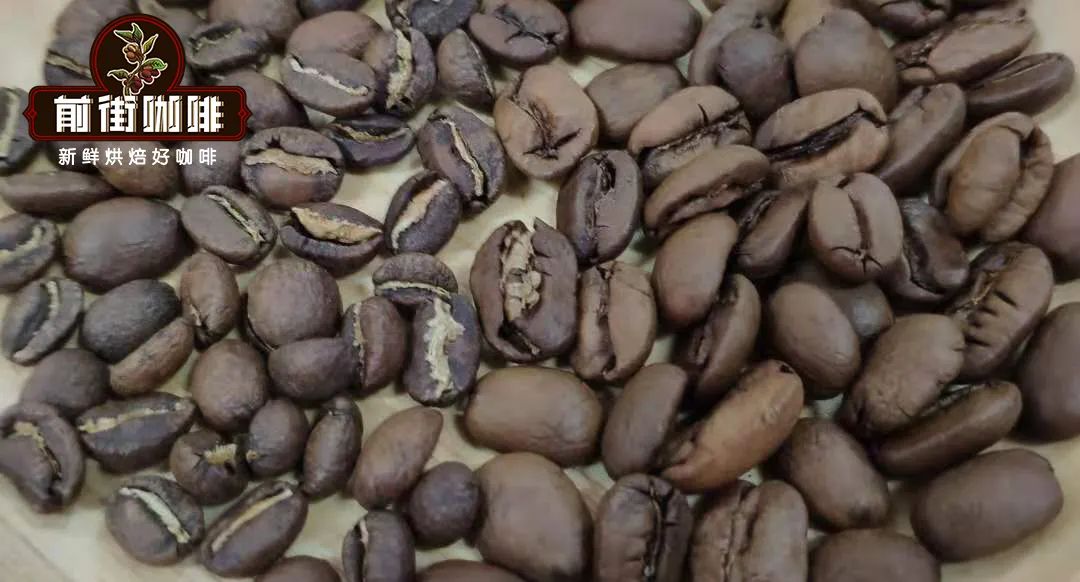
In actual tastings, the naturally processed Maragogype from Mama Mina Estate under the Mierisch Family in Nicaragua performed exceptionally well. The estate has been cultivating coffee since 1908, boasting a history of over a century. Its high-altitude regions (1450–1600 meters) and SHB grade classification contribute to the unique flavor profile of this naturally processed bean. During cupping, one can distinctly perceive a layered interplay of black berry notes (such as blackberry and black plum) and citrus aromas, complemented by a citrus peel character that highlights bright acidity, with a silky and sweet finish.
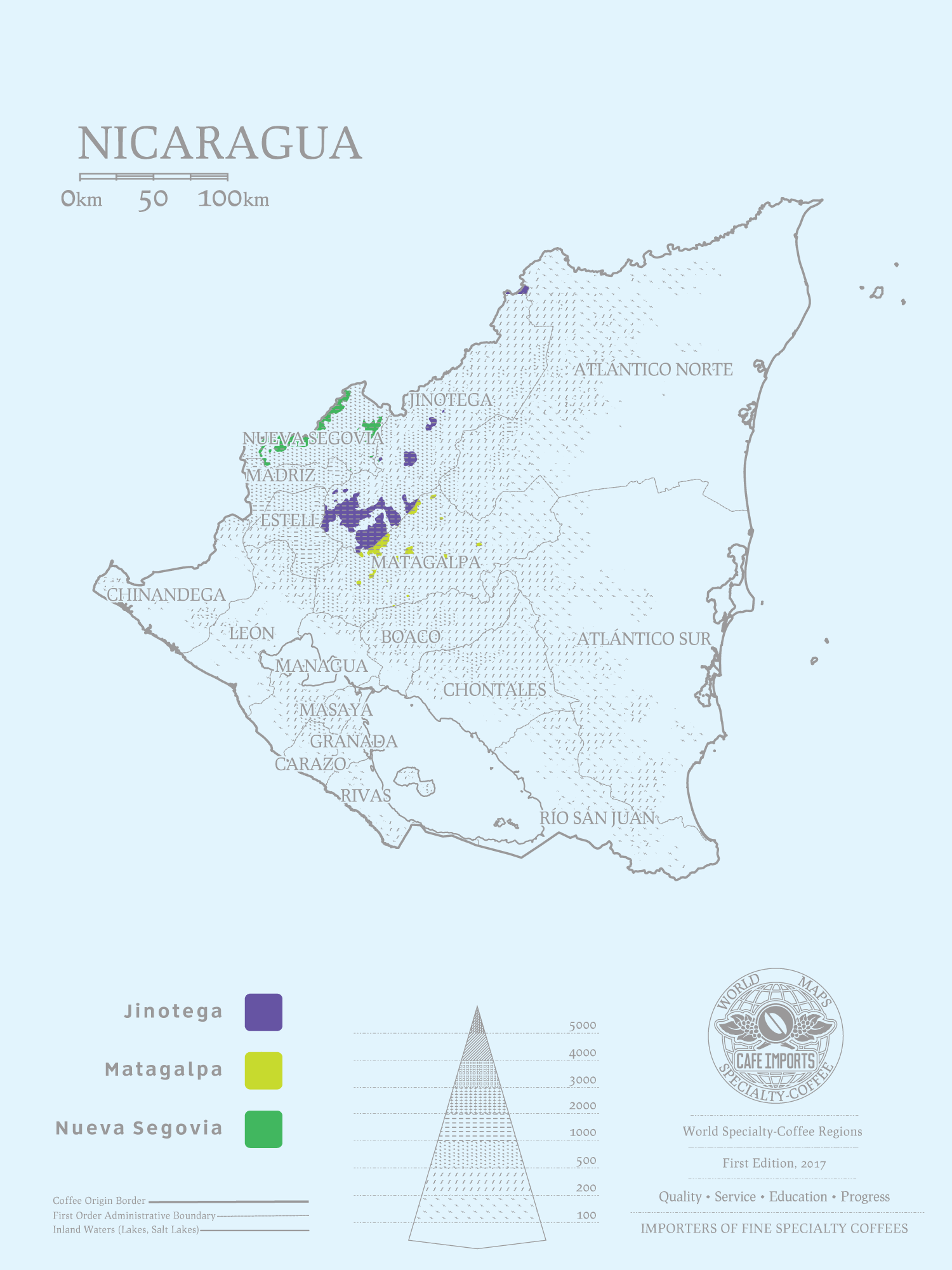
The cultivation of Maragogype faces numerous challenges: the plants themselves are tall (with both branches and trunks significantly larger than conventional varieties), requiring more growing space and nutrient resources. Additionally, harvesting is more time-consuming and labor-intensive due to the large bean size. These factors have resulted in only sporadic plantings in specific regions such as Brazil, Nicaragua, Mexico, and Guatemala. Notably, in Nicaragua, due to its scarce production, market prices are relatively high.
The hybrid variety Pacamara, derived from Maragogype, is also worthy of attention. It is a human-cultivated descendant of Pacas and Maragogype, inheriting the positive traits of both parents: retaining the notable size of Maragogype (approximately 70–80% of the original variety) and premium acidity, while also incorporating Pacas’ high-yield characteristics and environmental adaptability. In El Salvador’s Cup of Excellence competitions, Pacamara has repeatedly achieved outstanding results, demonstrating its quality potential.
For brewing the Maragogype from Mama Mina Estate in Nicaragua, the following parameters are recommended to fully showcase its flavor characteristics:
• Filter: V60
• Water temperature:90-92°C
• Dose: 15 grams
• Coffee-to-water ratio: 1:15
• Grind size: Medium
• Technique: Pulse pouring (30g bloom for 30 seconds → 95g water up to 125g → continue pouring to 225g total)
Under these parameters, a bright profile of berries and citrus can be extracted, accompanied by a sweet foundation of caramel and nuts.
If choosing the washed Pacamara from Finca El Bosque in Guatemala (grown at 1500 meters altitude), it is recommended to adjust the parameters to suit its washed processing characteristics: the extraction yields flavors of lemon, passion fruit, and other bright fruity notes, with a warm brown sugar finish. By precisely controlling brewing variables, both Maragogype and Pacamara can showcase the unique charm of high-altitude Central American coffee.
The above content is compiled by CoffeeHunters, a coffee news website.


