







Introduction:Yunnan coffee has recently emerged in China’s specialty market, yet its regional characteristics remain vague. This article delves into the relationship between Yunnan’s mainstream variety, Catimor, and Arabica, explores how its 25% Robusta lineage affects flavor, and compares it with the Typica variety. It also provides tested pour over parameters and brewing tips to help coffee enthusiasts understand the potential and limitations of Yunnan beans through variety and processing methods.
Yunnan coffee has risen rapidly in China’s specialty market and has become an important single-origin bean source for brands like Luckin and Manner within just a few years, drawing significant market attention. However, despite rising sales and popularity, Yunnan’s flavor profile still lacks the distinct recognition that regions like Yirgacheffe enjoy. The reason behind this lies largely in the genetic makeup of the dominant local variety, Catimor.
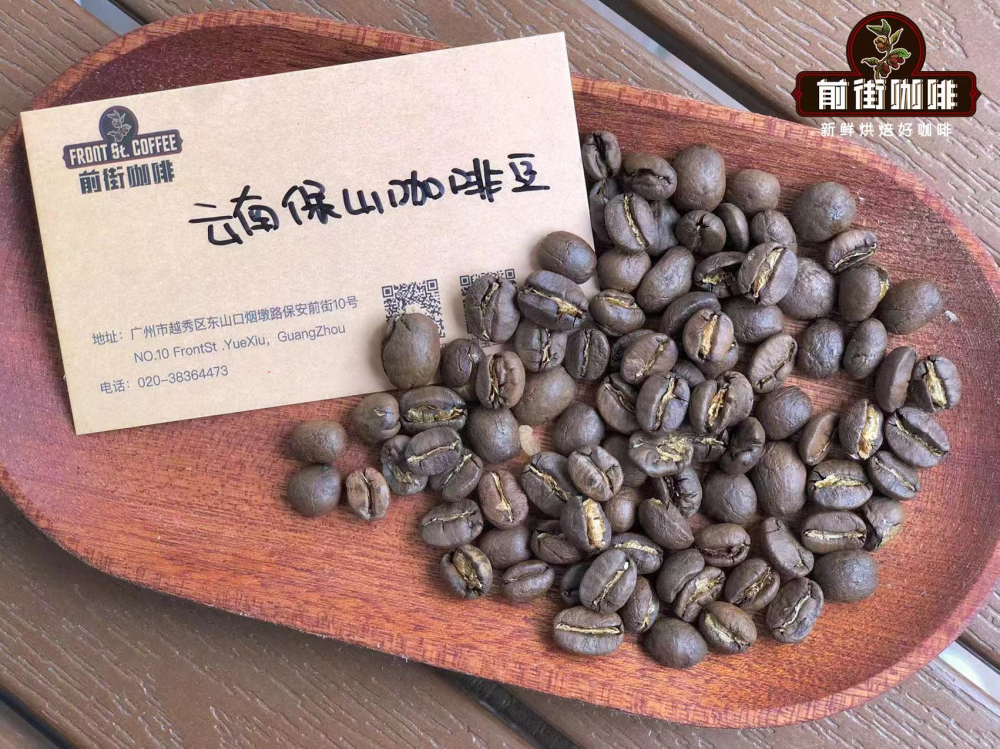
Catimor is not a purebred Arabica, but rather a hybrid of Timor (a Robusta variety) and Caturra (a Bourbon mutation), carrying approximately25% Robusta genes. This genetic background results in a less defined flavor profile, often exhibiting noticeable bitterness, astringency, and occasionally mild musty notes, with less complexity in aroma compared to typical Arabica varieties. Although its yield per unit far exceeds that of Typica, it has long been trapped under a “quality ceiling,” making it difficult to establish an independent regional flavor identity.
The essence of specialty coffee lies in “terroir,” which refers to the unique flavor characteristics shaped by the interaction of specific climate, soil, and variety. For example, when Yirgacheffe is mentioned, most people think of bright lemon acidity and floral notes; yet Yunnan coffee has yet to form a similarly strong regional label. Part of the reason is the blurred characteristics of the mainstream Catimor variety, coupled with a multitude of special processing methods (such as winey or fruity fermentation) that mask the intrinsic qualities of the variety. As a result, consumers often perceive Yunnan beans as offering “experimental flavors” rather than expressions of the region’s terroir.
In response to this, some producers began exploring breakthroughs at the variety level as early as 2013—for instance, introducing Typica and a small amount of Bourbon varieties in Lincang, Yunnan. Typica, one of the oldest Arabica varieties, possesses a pure lineage and an elegant flavor profile, once regarded as a benchmark for specialty coffee. Its cultivation history can be traced back to French missionaries who introduced it to Yunnan. It was once widely planted to repay debts to the Soviet Union but declined due to weak domestic market demand. It wasn’t until the 1990s, when Nestlé promoted Catimor in search of leaf rust-resistant varieties, that Yunnan’s coffee industry was revitalized. However, Catimor was mainly used as a commercial raw material with mediocre flavor performance.
From a cultivation perspective, Typica requires at least four years from seedling to commercial harvest, involving high input costs, whereas Catimor, with its high yield and strong adaptability, has long dominated Yunnan’s planting landscape. This means that even if special processing methods can temporarily enhance flavor appeal, without optimizing foundational factors such as variety and altitude, it is difficult to achieve long-term construction of a regional flavor identity. Industry insiders point out that overemphasizing post-harvest processing techniques while neglecting the essence of the variety may lead Yunnan coffee down a “misplaced priority” path.
Taking real-world examples, one coffee brand has been growing Typica in Lincang since 2013. Its first harvest in 2022 amounted to just over 600 kilograms. Though the yield is limited, it demonstrates the variety’s potential. The brand’s 2013 Yunnan Typica, processed using traditional natural drying, presents a clear flavor profile with a complex aroma of plum, berries, brown sugar, black tea, and nuts, proving that purebred Arabica still has room to grow in Yunnan. Additionally, the Typica beans in its everyday range showcase the common flavor characteristics of the Yunnan region with high cost-performance, making them suitable for beginners to build a basic understanding of local coffee.
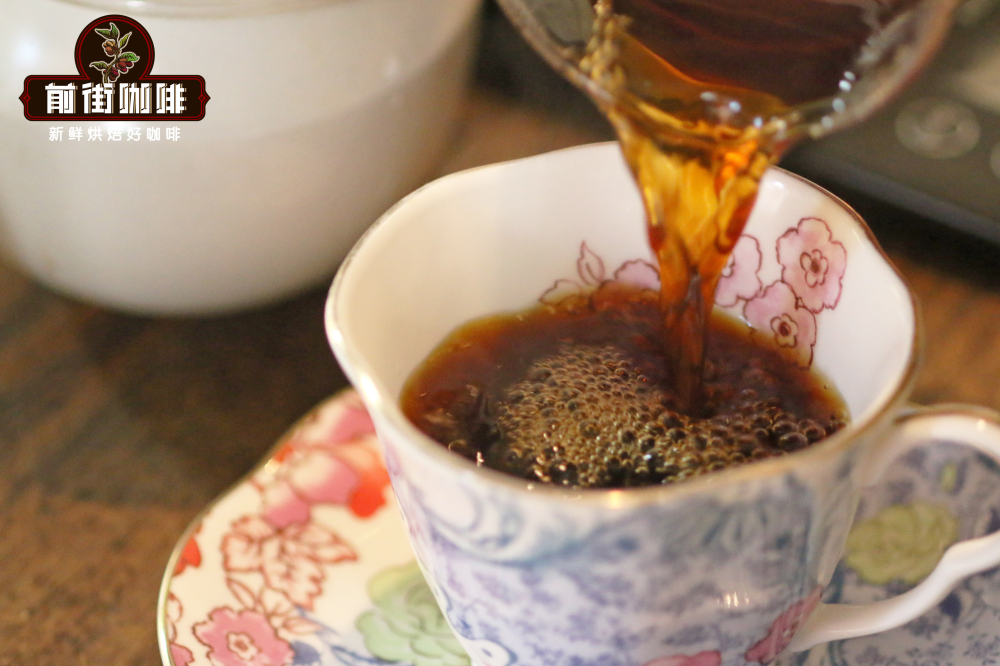
For daily brewing of Yunnan Catimor and Typica, it is recommended to adjust parameters based on variety characteristics:Catimor is suited to medium-light to medium roaststo balance its inherent bitterness; Typica can be flexibly adjusted according to processing method—natural dried beans should highlight fruitiness, while washed beans should emphasize a clean acidity. Tested pour over parameters are as follows: use aV60 filter cone,a 1:15 coffee-to-water ratio,medium grind (approximately coarse sugar grain size, 75% passing rate through a Chinese No. 20 sieve),with water temperature controlled at 88–89°C. The specific steps are: first pour 30g of water for a 30-second bloom; then pour in a circular motion up to 125g, wait for the coffee bed level to drop halfway, then continue pouring up to 225g, with a total extraction time of about 2 minutes and 10 seconds. These parameters help extract a balanced and layered flavor profile.
In summary, the development of Yunnan coffee is still at a critical stage of variety optimization and flavor positioning. Understanding the genetic differences between Catimor and Arabica, as well as the potential of traditional varieties like Typica, along with appropriate processing methods and brewing techniques, allows for a more comprehensive appreciation of the diverse facets of Yunnan beans. It also brings hope for the future emergence of a clear regional flavor identity.
The above content is compiled by CoffeeHunters, a coffee news website.


