







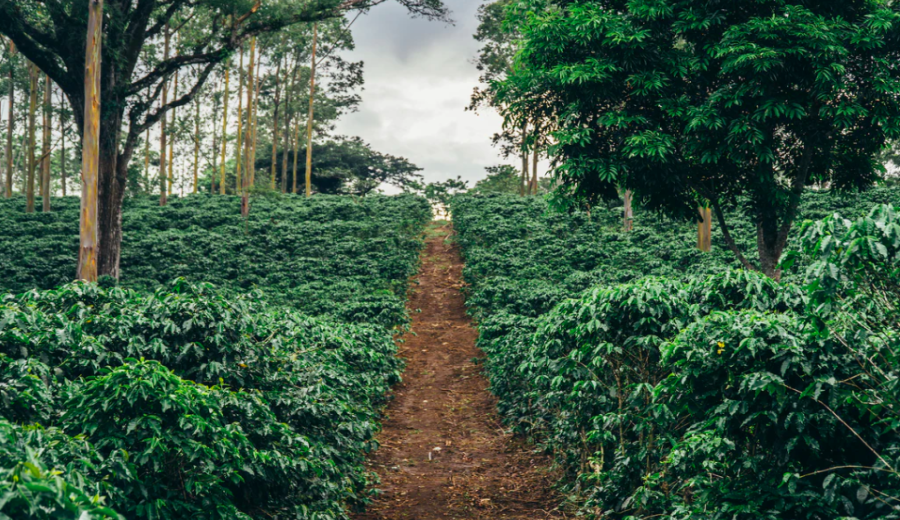
Introduction:Costa Rica is globally renowned for its consistently high-quality Arabica coffee, with honey processing being one of its signature methods. This article delves into how Brumas del Zurqui Estate in the Central Valley showcases unique flavors through honey processing, analyzing the origins of its berry, honey, and nut profiles, and offering practical pour over recommendations and tasting tips to help you better appreciate the delicate balance of high-altitude honey-processed coffee.
Costa Rica has long been a benchmark specialty coffee-producing country in Central America, known for its stable and premium Arabica varieties. The country’s laws strictly limit cultivation to Arabica only, prohibiting Robusta, which has resulted in a highly diverse range of cultivars, including Caturra, Catuai, Bourbon, Villa Sarchi, Geisha, and Villalobos. The country’s terrain is long and narrow, with significant elevation differences from the coast to the highlands, and varying regional conditions in temperature, rainfall, and soil, all contributing to a rich variety of micro-regional flavor profiles.
Among the many coffee-producing countries in Central America, washed processing remains the mainstream method, but honey processing has gained increasing attention in recent years due to its distinctive flavors and sweetness. This trend originally started gaining popularity in Costa Rica.Honey processing can be divided into yellow honey, red honey, and black honey, categorized by the percentage of mucilage retained.The more mucilage retained, the richer and sweeter the resulting flavors, though it also requires more precise drying control.
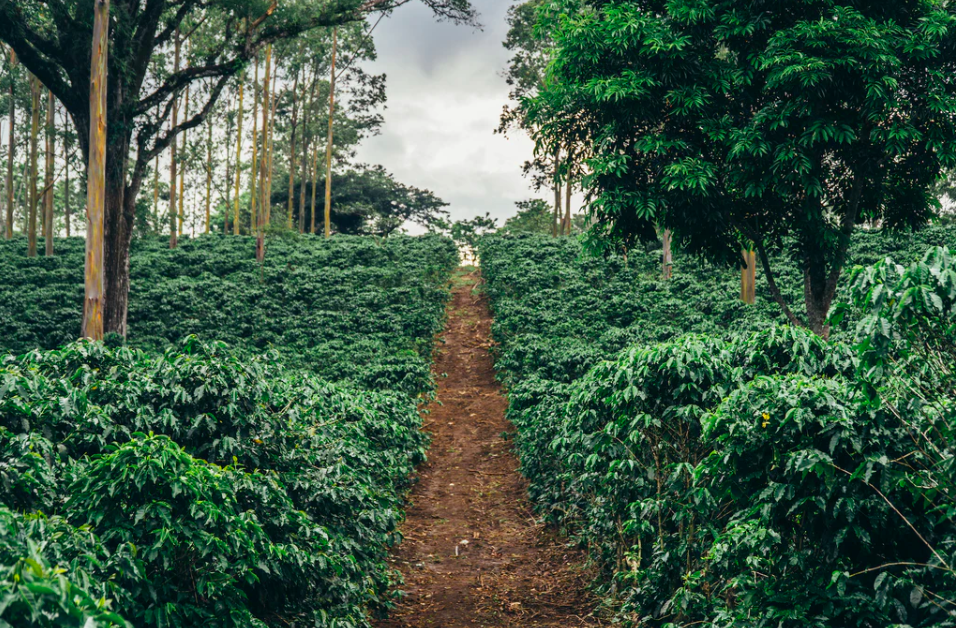
Located in the Central Valley of Costa Rica, Brumas del Zurqui Estate was honored with the title of “Best Coffee” in 2006 and is regarded in the industry as the “Honey King.” Nestled in a misty valley at an altitude of 1,350 to 1,600 meters, the estate benefits from significant day-night temperature variations that allow coffee cherries to ripen slowly, accumulating richer sugars and flavor compounds.
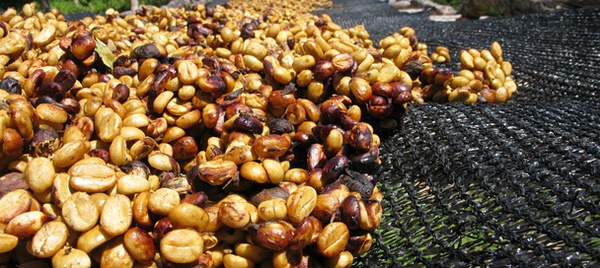
The estate primarily grows the Caturra variety and employs the honey processing method, which involves removing the skin and pulp of the coffee cherry while deliberately retaining the sticky mucilage layer, then placing the beans on elevated bamboo mats for prolonged sun drying. This processing method not only preserves fruity sweetness but also brings out a complex profile of honey, caramel, nuts, and floral notes. Compared to the clean and bright profile of traditional washed coffee or the intense fruit jam-like character of natural processing, honey processing strikes a perfect balance between the two, featuring softer acidity and a rounder mouthfeel.
Themain flavor notes of Brumas honey-processed coffee include peanut, hazelnut, leguminous herbal aromas, along with distinct honey, chocolate, and toffee sweetness.In terms of acidity, it presents a blend of lemon, citrus, mint, and red plum sensations, with a mild, mellow, and smooth acidity that is not overly sharp but instead enhances the overall sweetness and layered complexity. Upon cooling, a charcoal-roasted brown rice tea-like aftertaste often emerges, and the natural transition of the finish from acidity to sweetness is one of its standout features.
In terms of mouthfeel, this coffee offers a creamy smoothness akin to milk, combined with the gentle temperament of brown rice tea. Its overall style is classified as medium intensity, with balanced acidity and sweetness, and a hint of unique tea-like character. This flavor profile is particularly well-suited for coffee enthusiasts who enjoy pronounced sweetness, moderate acidity, and a pursuit of layered complexity.
For those who prefer pour over brewing, it is recommended to use a medium-light to medium roast level, with a grind size similar to that of fine sugar. Water temperature should be controlled between 90–92°C. During brewing, a step extraction method is advised, such as using a 1:15 coffee-to-water ratio, starting with a 30% bloom for 30 seconds, followed by incremental pouring to reach the target volume. A total brew time of approximately 2 minutes 30 seconds to 3 minutes is ideal. This approach fully highlights its floral, fruity, honey aromas, and candy-like sweetness, while minimizing potential off-flavors caused by over-extraction.
Additionally, honey-processed coffee is extremely sensitive to drying environments and weather conditions; excessive sun exposure or high humidity can easily affect the final flavor. Therefore, when purchasing, pay attention to whether the product clearly indicates the processing batch, altitude, and processing date—this information can help assess the coffee’s freshness and processing quality.
In summary, the honey-processed coffee from Brumas del Zurqui Estate in Costa Rica, with its balanced sweet-acid ratio, intricate flavor layers, and distinctive tea-like character, is a classic representation of Central American honey processing. Whether you’re a beginner or a seasoned coffee connoisseur, you can discover great enjoyment in its cup.
The above content is compiled by CoffeeHunters, a coffee news website.


