







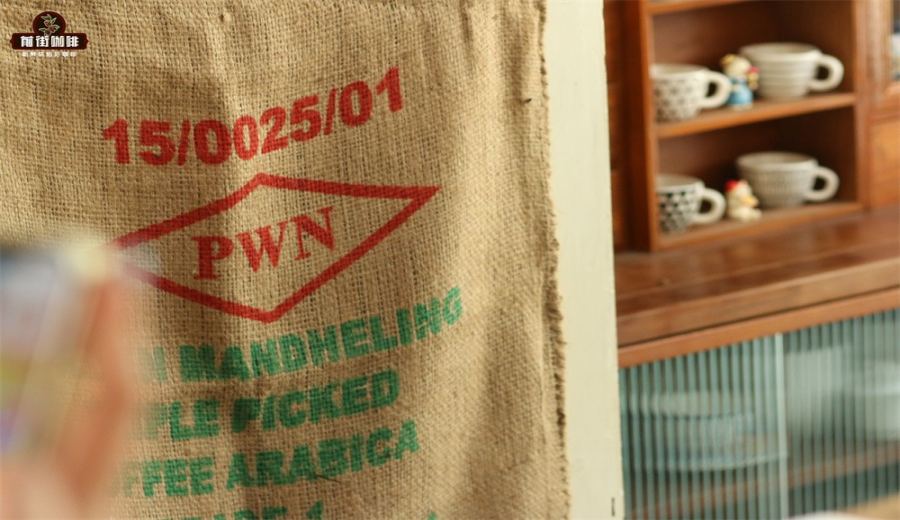
Introduction:Indonesian Sumatran Mandheling coffee is renowned for its rich body and distinctive herbal aroma, with the Starbucks tiger-packaged Mandheling being a particularly popular choice. Do you know what the tiger on this packaging signifies? How does the wet hulling process contribute to the coffee’s bold flavors and low acidity? This article will delve into the distribution of Sumatra’s coffee-growing regions, the symbolism behind the tiger design, and take you through the processing details and flavor profile of Mandheling coffee beans — an essential beginner’s guide for pour over enthusiasts and specialty coffee lovers alike.
Sumatran coffee is globally acclaimed for its bold, full-bodied taste and prominent herbal and spicy notes. Starbucks has listed it among its classic single-origin offerings, with the tiger-packaged Sumatran Mandheling being especially favored by consumers. This coffee not only delivers a unique flavor but also features a thoughtfully designed package. Starting from the background of the growing region, this article will explore the distribution characteristics of Sumatra’s two major coffee-producing areas, explain the origin of the tiger graphic on the Starbucks packaging, and provide an in-depth look at the special flavors formed through the wet hulling process used for Mandheling beans.
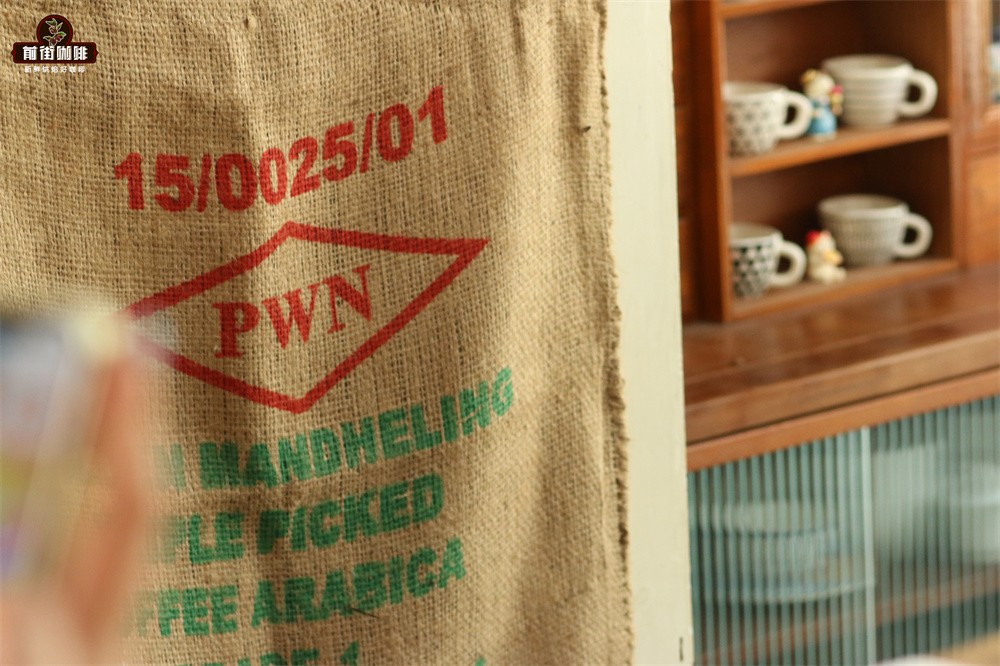
Sumatra is one of Indonesia’s largest islands, with coffee cultivation primarily concentrated in two major regions — the north and the south. The southern region, centered around Medan, Lake Toba, and Lintong, is a key area for traditional Mandheling production, with many well-known Mandheling beans originating here. The northern region includes the Gayo Mountains and Aceh, where Mandheling quality has steadily improved in recent years, drawing attention from the market. Many commercially available Mandheling coffees come from these two regions, catering to diverse consumer preferences for flavor profiles.
Looking at the packaging designs of Starbucks’ thirteen coffee bean offerings, each has its own unique visual language. Take the Sumatran Mandheling, for example — its packaging features a striking tiger graphic. It turns out this is not merely an aesthetic choice, but carries deep meaning. Indonesia is made up of thousands of islands, and over 90% of its coffee is produced by smallholder family farms. The Sumatran tiger, a symbolic animal of the country, represents the land’s natural wildness. Moreover, the image of the tiger also echoes the coffee’s bold and distinctive flavor profile, which includes prominent herbal and spicy notes.
Notably, the Sumatran tiger is a subspecies found only on the island of Sumatra and is considered extremely rare. By using this name, Starbucks not only ties the product to its place of origin but also alludes to the uniqueness and rarity of these coffee beans. The industry has also released a Sumatran Tiger Mandheling from the Tiger Estate in the Aceh region. These beans are not only from a special origin, but also processed using a locally unique wet hulling method, resulting in a distinctive taste profile.
This Tiger Mandheling performed exceptionally well in cupping tests. Using a standard 200ml cupping bowl, 11.3g of coffee grounds were brewed at 94°C. The dry aroma was distinctly reminiscent of dark chocolate, herbs, and a hint of pine. After pouring water, the wet aroma released strong traditional Chinese herbal and caramel notes. In terms of flavor, it exhibited layers of bold herbs, nuts, cream, and dark chocolate, delivering a full-bodied cup with a notable sweet aftertaste. Among various Sumatran coffees, this Tiger Mandheling stood out for its particularly intense aroma.
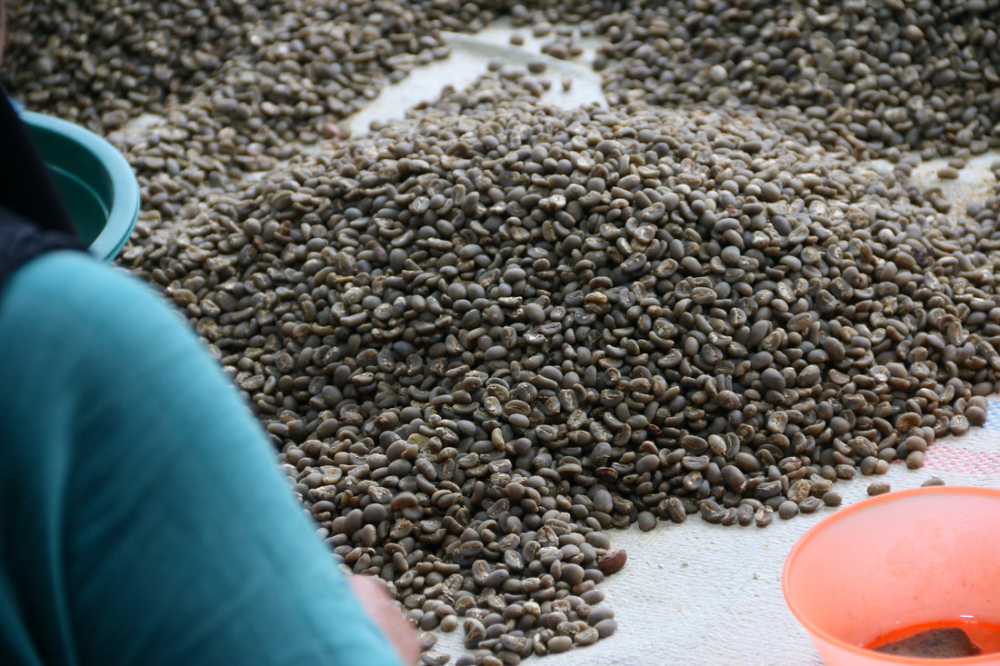
Due to Indonesia’s tropical climate — characterized by high temperatures and abundant rainfall — a unique “wet hulling” processing method has been developed locally. The main steps of this method include: first removing the coffee fruit’s skin and pulp, followed by brief fermentation and initial drying, then removing the sticky mucilage and part of the parchment layer, and finally continuing to dry until the moisture content drops to 12%. A key aspect of this process is that the outer layer is removed before the coffee bean is fully dry, causing the bean to be strongly compressed and often resulting in the characteristic horseshoe shape, along with visible pressure marks and cracks. This is why many Mandheling beans processed via wet hulling often have a uniquely irregular appearance.
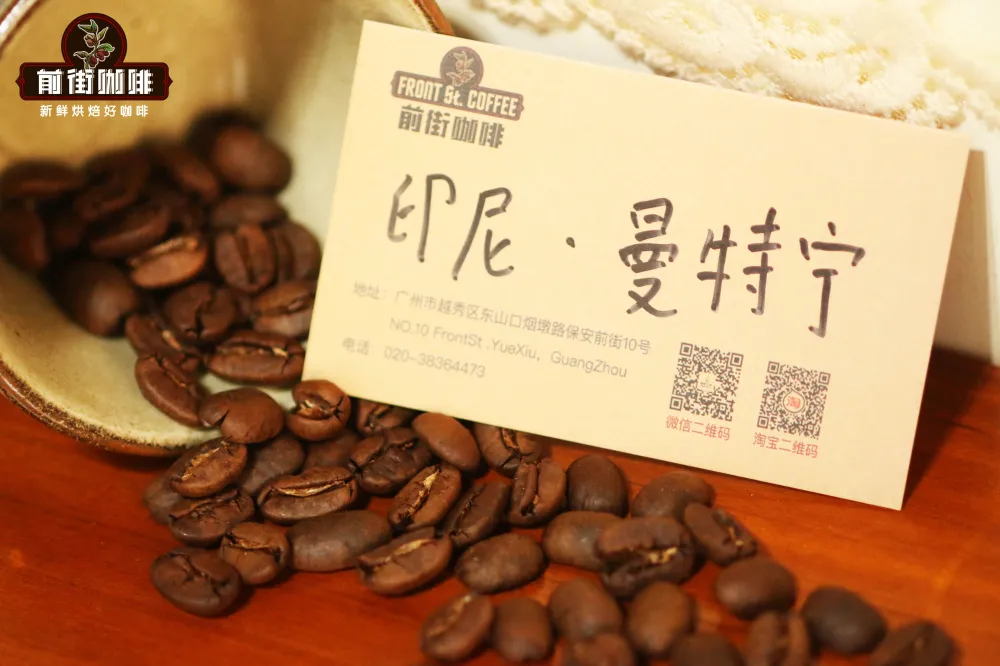
Additionally, the industry has specifically compared the Tiger Mandheling with another new-season Golden Mandheling. Although both originate from the Aceh region, they come from entirely different varieties. Golden Mandheling uses the Ateng variety, commonly known as Catimor in Indonesia, while Tiger Mandheling is a blend of Typica and Caturra. Typica is known for its clean and balanced flavor, whereas Caturra, a Bourbon mutation, offers higher yield potential and disease resistance, along with a brighter sweetness. The combination of these varietal traits, along with the low acidity and bold flavors brought by the wet hulling process, gives Tiger Mandheling a more layered and distinctive flavor profile.
For brewing recommendations, to highlight the bold character of Tiger Mandheling, it is recommended to use a KONO filter cone for pour over. The KONO cone, thanks to its unique structural design, provides better immersion effects, effectively extracting more coffee compounds and enhancing the full-bodied mouthfeel. Specific parameters are as follows: use 15g of coffee, with a 1:15 coffee-to-water ratio, and control the water temperature at 88°C. The grind size should be medium-coarse (approximately 73% passing through a standard 0.85mm sieve). The brewing process involves a 30-second bloom with 30g of water, followed by pouring in small circles until reaching 125g for the first pour. After the water level drops, continue pouring to 225g, then stop. The total extraction time is about 2 minutes and 5 seconds. The resulting cup highlights flavors of nuts, cream, dark chocolate, and caramel, accompanied by subtle traditional herbal notes, with a pronounced sweetness and an overall clean, clear profile.

The above content is compiled by CoffeeHunters, a coffee news website.


