







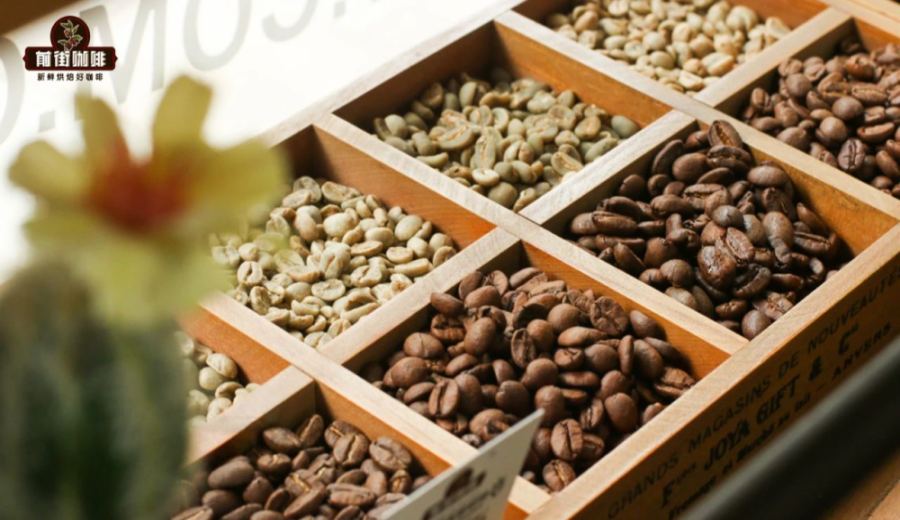
Introduction:Caturra is an Arabica variety originating from Brazil and widely cultivated in Central America, classified as a natural mutation of Bourbon. It features a compact plant structure, strong adaptability, no need for shade, and thrives at high altitudes, delivering bright acidity and rich aromas. This article delves into Caturra’s origins, cultivation advantages, processing differences, and cupping flavors, along with practical planting and tasting information to help coffee enthusiasts fully understand this classic variety.
Caturra (Caturra) is a natural mutation of the Bourbon variety, first discovered between 1915 and 1918 in a coffee plantation in Minas Gerais, Brazil. At the time, farmers noticed that some Bourbon plants had unusual growth patterns—their stature was noticeably shorter, resembling a condition akin to dwarfism. These mutated plants were later referred to by the local Guarani word "Caturra," meaning "small," and occasionally also called "Nanico."
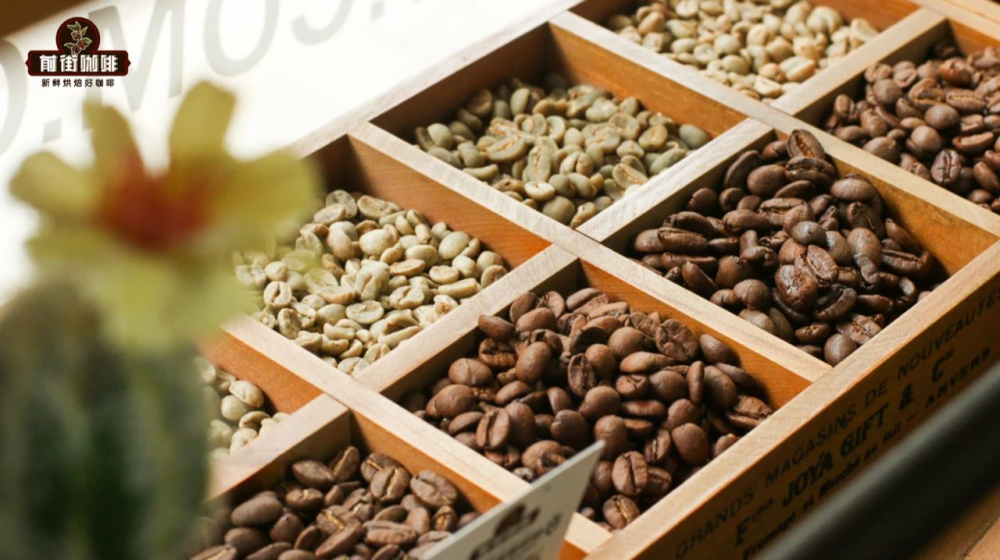
This genetic mutation not only altered the plant’s appearance but also influenced its overall growth characteristics and yield potential. Starting in 1937, the Instituto Agronômico de Campinas (IAC) in São Paulo, Brazil, systematically selected and cultivated Caturra. They employed what is known as the "mass selection method"—choosing plants with desirable agronomic and flavor traits, collecting their seeds, mixing them for planting, and then continuously selecting the best from the next generation. Notably, although Caturra was not officially promoted within Brazil, it quickly became widespread in Central America, becoming a dominant planting variety in many regions.
One of Caturra’s most notable features is its compact and short plant structure. Its lower height not only facilitates harvesting but also allows for denser planting, effectively increasing yield per unit area. Additionally, its secondary branches are densely distributed, enabling more coffee cherries to grow within the same space. More importantly, unlike traditional Typica or Bourbon varieties, Caturra does not rely on shade and can thrive under full sunlight, hence it is often referred to as "Sun Coffee."
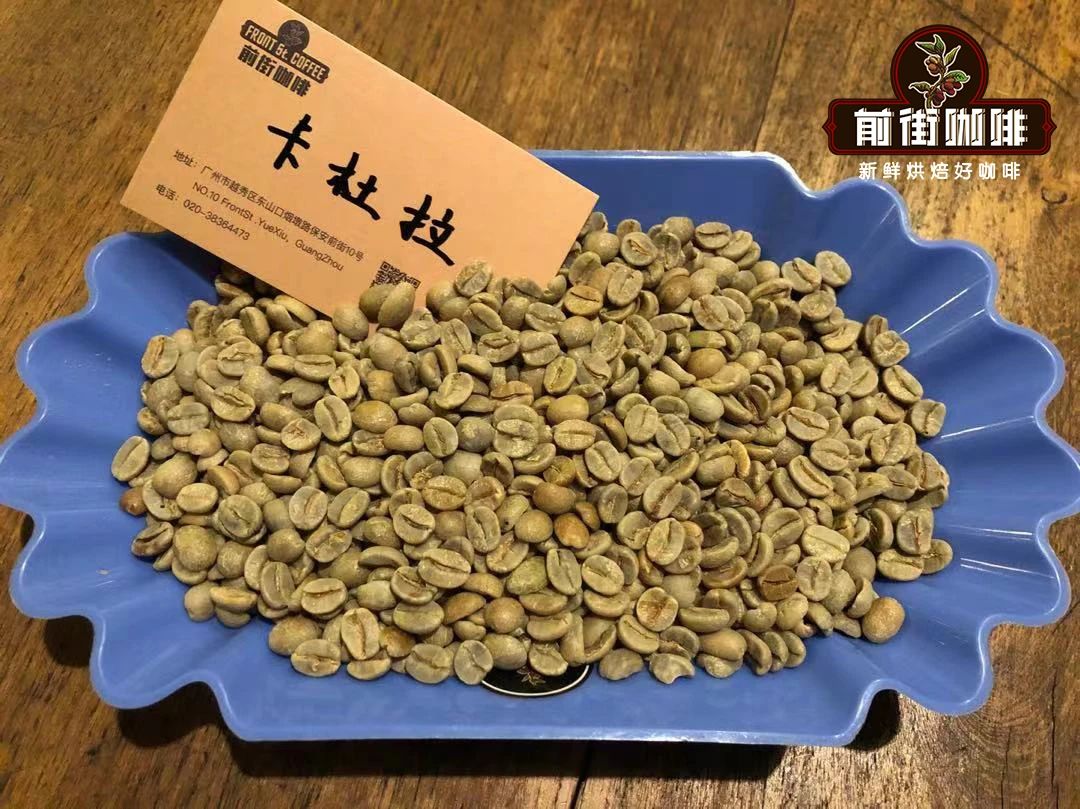
Within suitable altitude ranges, Caturra can exhibit excellent flavor potential. Generally, its optimal planting elevation falls between 700 and 1,700 meters, and the higher the altitude, the more refined and complex its flavors tend to be. Such coffees typically boast bright acidity and captivating aromas, with commendable sweetness, making them highly appealing to coffee lovers who enjoy crisp acidity and fruity profiles.
However, like Bourbon, Caturra is subject to a "biennial yield cycle," where production fluctuates significantly every other year. In terms of cupping performance, when processed using traditional methods, Caturra often presents clear acidic brightness and a vibrant mouthfeel, with sweetness being particularly pronounced under good processing conditions. That said, compared to Bourbon, it has slightly less body and a marginally different cleanness in the cup. For instance, sun-dried Caturra often releases pleasing berry-like acidity, reminiscent of freshly brewed berry juice, while washed processing highlights the refreshing acidity of citrus fruits, often described as resembling the flavor profile of lemonade.
From practical cupping experiences, one coffee brand spoke highly of Caturra beans from the Huila region of Colombia. These beans were grown at high altitudes of 1,500 to 1,800 meters and processed using traditional washed methods. After medium roasting, this Caturra exhibited a base profile of nuts, dark chocolate, and caramel, coupled with soft citrus acidity, achieving excellent balance. It’s well-suited as an everyday pour over or an entry-level choice for specialty coffee enthusiasts.
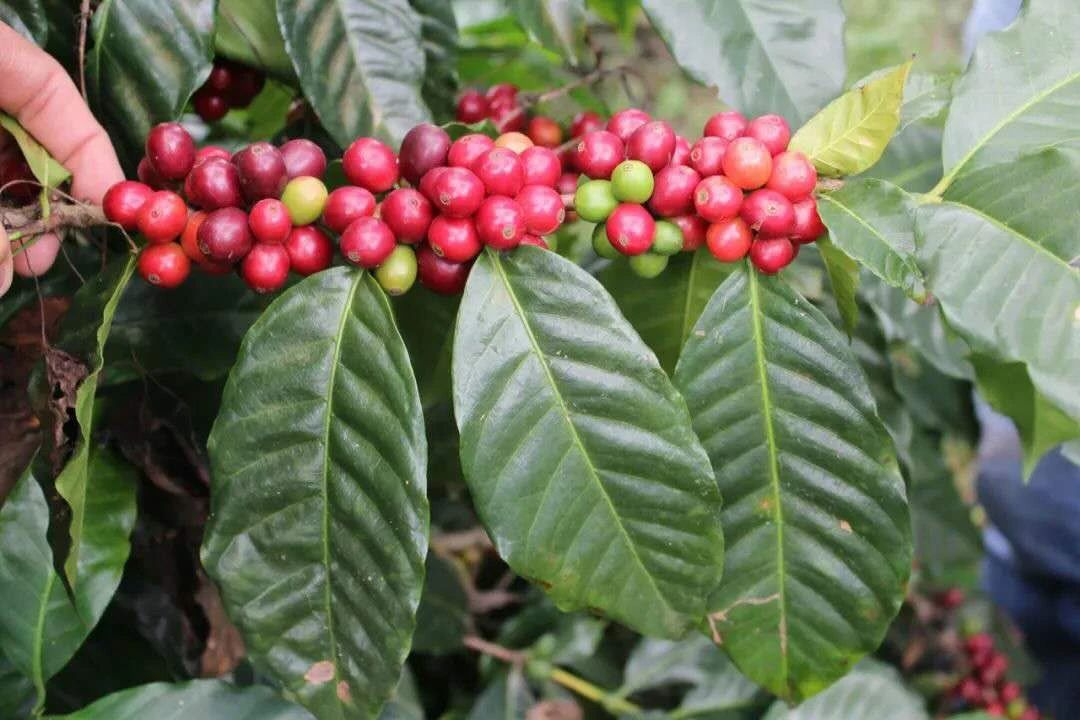
In summary, as a natural mutation of Bourbon, Caturra stands out with its strong adaptability, stable yields, and distinctive flavors, making it one of the key varieties in many global specialty coffee regions. Whether you’re a pour over enthusiast chasing pronounced fruit acidity and aroma or a coffee newcomer eager to explore how processing methods influence flavor, Caturra is a classic worth savoring and discovering.
The above content is compiled by CoffeeHunters, a coffee news website.


