








Introduction:Although Papua New Guinea is not a major coffee-producing country, its unique geography and historical background have nurtured specialty beans with flavors reminiscent of South America. This article delves into the representative Paradise Bird Estate in the country, analyzing the characteristics of its Typica variety, traditional washed processing methods, and how appropriate roasting and pour over parameters can bring out the best flavor layers—offering a comprehensive reference for enthusiasts seeking coffees from emerging regions.
When it comes to high-altitude specialty coffee, many people first think of Blue Mountain. However, Papua New Guinea, an island nation in the Pacific, also produces a coffee often referred to as the "Little Blue Mountain." This title does not come from Jamaica, but because the country introduced Jamaican Typica varieties early on, coupled with a similar island-type climate and high-altitude environment, resulting in a flavor profile that is fresh, with bright acidity. This article will introduce you to this promising region and how the representative Paradise Bird Estate crafts distinctive coffee flavors through rigorous cultivation and processing.
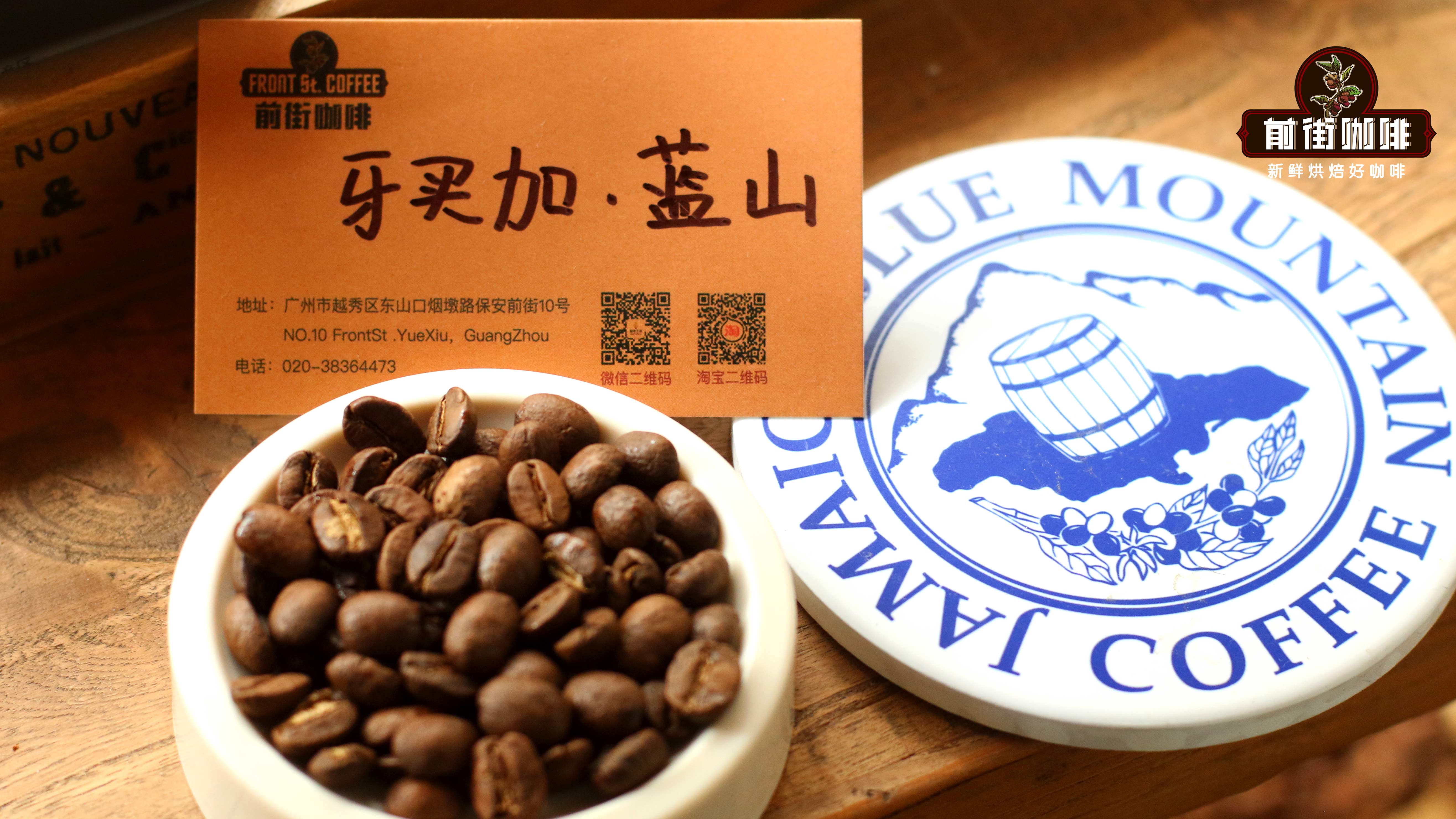
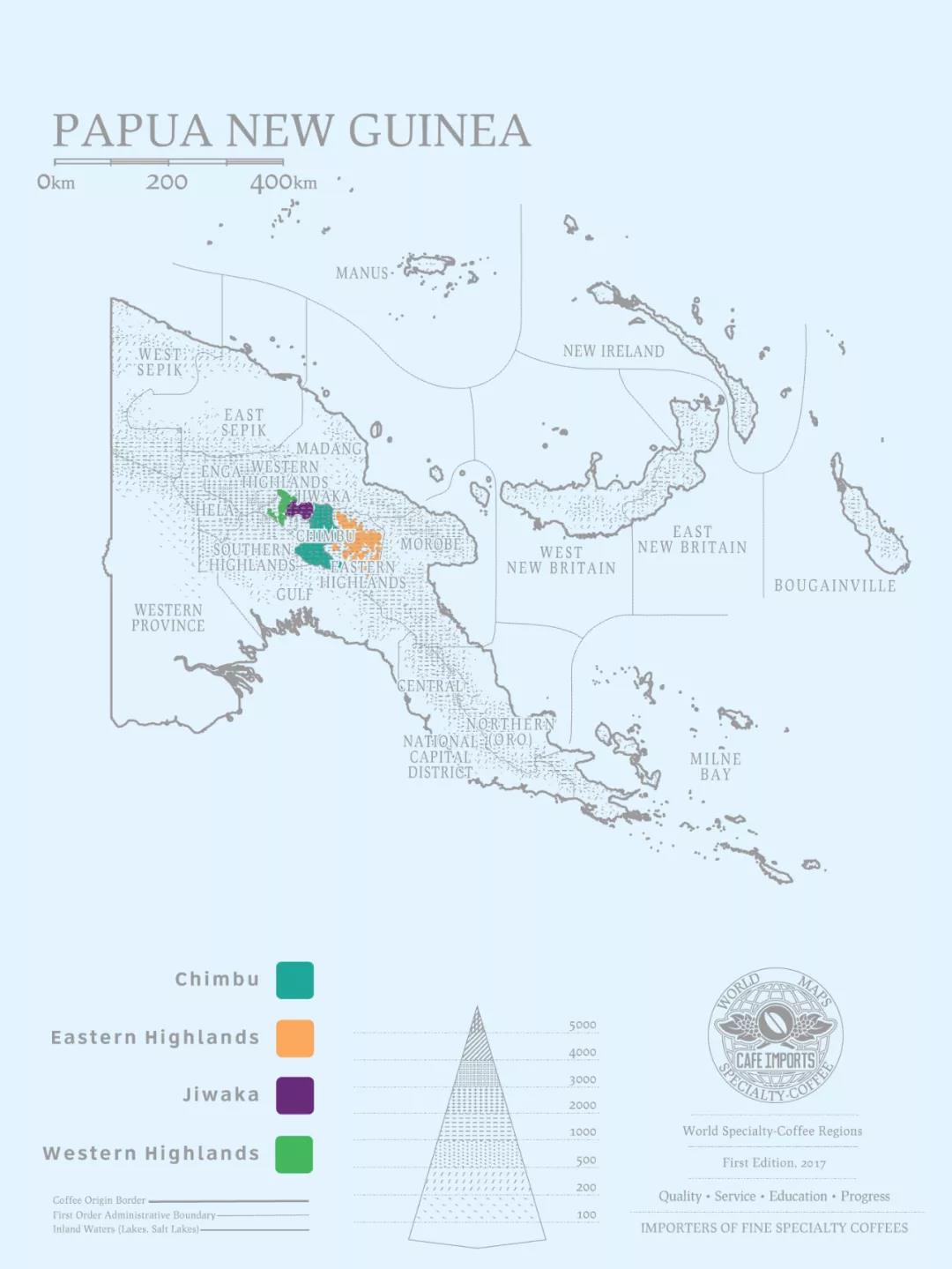
Papua New Guinea is located east of Indonesia, spanning between the equator and 10 degrees south latitude. Its climate is typically tropical island-style, featuring tropical rainforests, volcanic terrain, and highland landscapes. Cultivation altitudes generally range between 1,200 and 2,500 meters. Due to geographical and historical factors, the country’s coffee varieties are diverse. In 1931, Typica was first introduced from Jamaica, followed by Bourbon from Kenya in the 1950s, and then New World and Caturra from Brazil in the 1960s. Unlike the common spice and herbal notes found in Indonesian coffees, Papua New Guinea’s high-altitude washed beans generally exhibit brighter fruit acidity, clear floral and fruity aromas, and a clean flavor structure more akin to South American coffees.
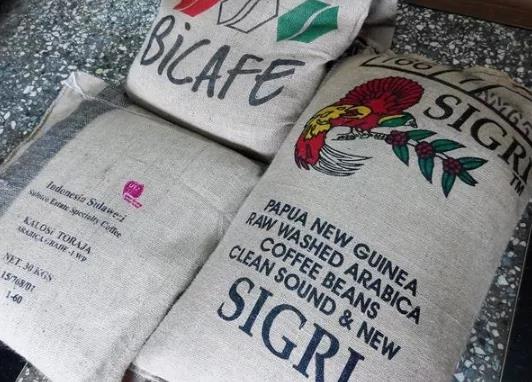
Among the various producing regions, the Waghi Valley and Sigri Estate area in the Western Highlands are key sources of specialty beans. The Sigri Paradise Bird Estate, established in 1950, is located in the Waghi Valley of the Western Highlands Province, at an altitude of about 1,500 meters, with actual harvesting areas reaching elevations of 1,600 to 1,800 meters. It boasts mineral-rich volcanic soil, along with a cool climate and abundant rainfall, providing an ideal environment for coffee growth. The estate has long adhered to eco-friendly cultivation practices, completely banning the use of pesticides and insecticides, and is committed to maintaining soil health and ecological balance in the surrounding area—this is also one of the key reasons for the high purity of its coffee flavors.
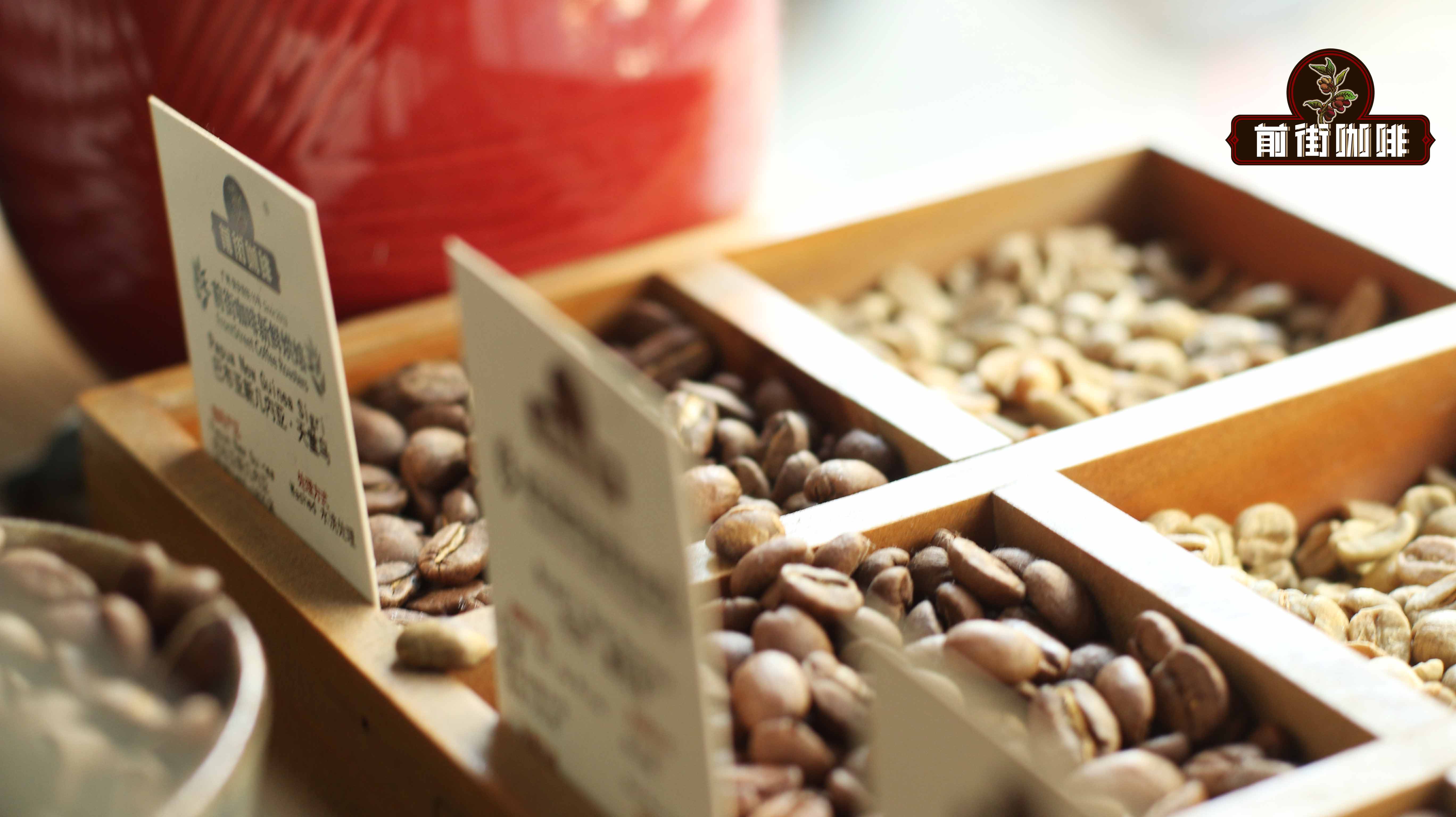
The main harvesting season at Paradise Bird Estate runs from April to September each year. Only fully ripe red coffee cherries are selected during picking to ensure an ideal balance of sugar and acidity. The processing after harvesting demonstrates its high standards: traditional washed processing is used, though with slight differences from common Central and South American methods. The local washed processing facility ferments the picked coffee cherries three times, each soak lasting about 24 hours, with fresh water changed each time to precisely control fermentation flavors. Afterward, the pulp and outer skin are removed, and the beans are carefully graded by size and defect rate, labeled as AA, AB, and peaberry PB grades. This meticulous post-harvest process results in coffee with a clear acidity profile, delicate fruit aromas, and a long-lasting sweet aftertaste.
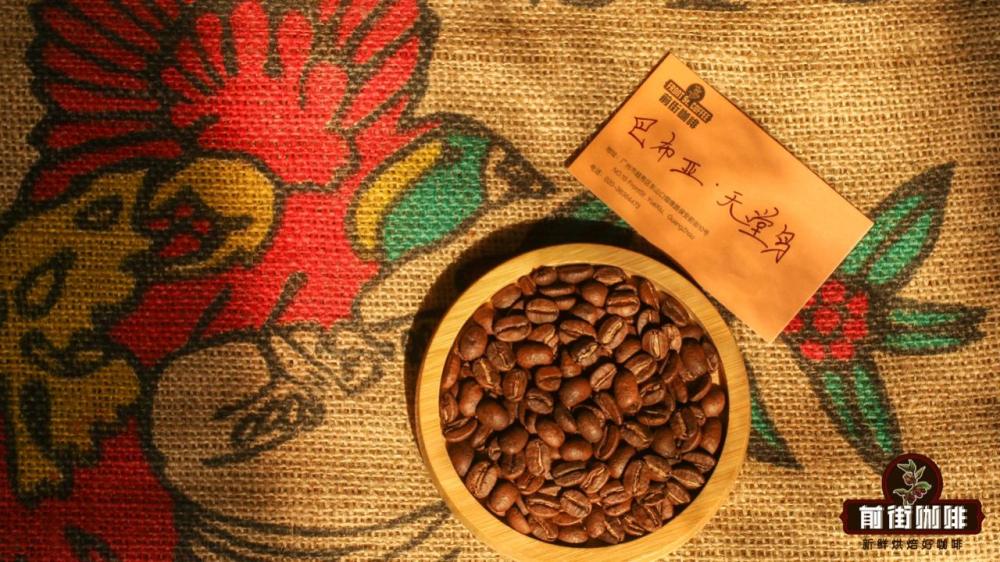
The Typica variety produced here can be traced back to its introduction in 1931. Typica is known for its slender bean shape (usually tapered or pointed conical), which is distinctly different from the more rounded appearance of the common Bourbon variety. This variety naturally possesses an elegant and layered flavor profile, including citrus, tea-like notes, and light floral aromas. However, it is relatively weaker in disease resistance and has lower yields. Yet, in suitable high-altitude environments and with careful management, Typica can exhibit highly distinctive clean acidity and balanced mouthfeel, making it an ideal choice for coffee lovers exploring single-origin flavors.
In addition to the aforementioned triple fermentation and multiple water changes, the washed processing method in Papua New Guinea also includes careful removal of the mucilage layer, mechanical depulping, and thorough drying—all to ensure stable moisture content in green beans and minimize fermentation off-flavors. The AA-grade beans selected through a strict grading system not only have uniform particle size and extremely low defect rates, but also help achieve even heat absorption during roasting, better highlighting their inherent flavor characteristics. Notably, the surface of washed processed coffee beans often shows a visible silver skin midline, which is also an important visual characteristic for identifying the processing method.
For this washed Typica bean from Paradise Bird Estate, a medium roast is recommended to enhance its fresh acidity and fruity notes. Specific roasting suggestions are as follows: set the inlet temperature to 170°C, damper at 3, initial flame at 140°C, with the turning point around 1 minute and 36 seconds; when the temperature drops to 140°C, adjust the damper to 4; at approximately 6 minutes and 25 seconds, when the temperature reaches 151°C and the beans turn yellow, the grassy aroma fades, and you can continue controlling the flame; at 176°C, reduce the flame to 110, and at 180°C, lower it further to 90—during this stage, the bean surface will develop wrinkles and black speckles, and the coffee aroma gradually replaces the toast-like smell; first crack begins around 10 minutes and 8 seconds at 188°C, at which point fully open the damper and control the post-crack temperature rise to within 6°C, finally completing the roast and dropping the beans at 198.5°C. This roasting method fully highlights the refreshing qualities and layered profile of Typica.
For actual pour over brewing, the following parameters are recommended: use a Kono filter, 15 grams of coffee grounds, a 1:15 coffee-to-water ratio, and a grind size roughly equivalent to granulated sugar (approximately 75% passing through a #20 sieve). If no sieve is available, observe the water flow speed during pouring—if it’s too fast, the grind may be too coarse; if too slow, it may be too fine. The brewing process is recommended to use a three-stage extraction: start with a 30-second bloom using 30 grams of water, then pour in a small circular motion up to 125 grams for the first pour, and when the water level drops close to exposing the coffee bed, pour up to 225 grams before stopping, keeping the total extraction time around 2 minutes. This method effectively balances acidity, sweetness, and body, showcasing notes of nuts, cocoa, soft fruit acidity, and caramel undertones, with a hint of smokiness in the aftertaste—delivering an exceptionally well-balanced overall profile.
The above content is compiled by CoffeeHunters, a coffee news website.


