







Introduction:This article provides an in-depth analysis of the CORSINI BRASIL SANTOS coffee beans from Brazil’s Cerrado region. From the characteristics of the growing area and the traits of the coffee variety to details of the processing method, it takes you through the unique charm of this classic South American bean. We will also share the key techniques of medium roasting, and how it serves as a stable base bean in espresso blends. Whether you’re a pour over enthusiast or an espresso drinker, you’ll find practical insights here.
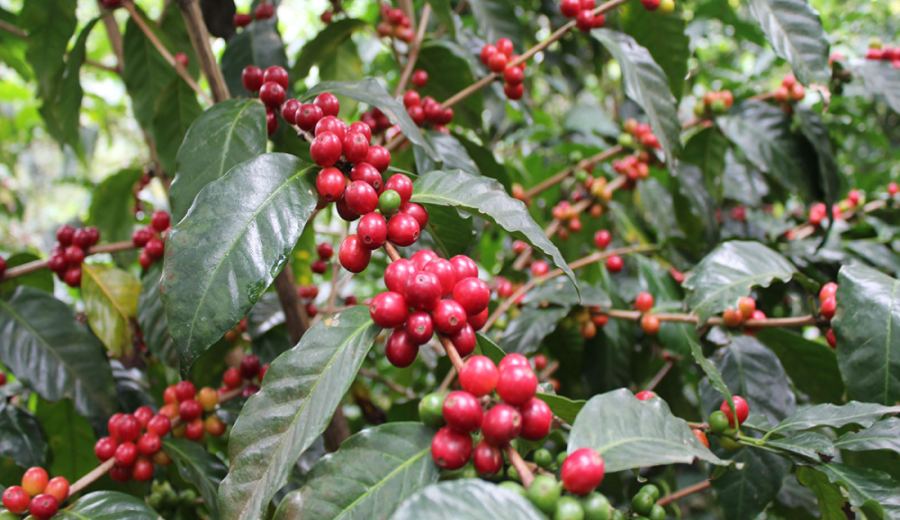
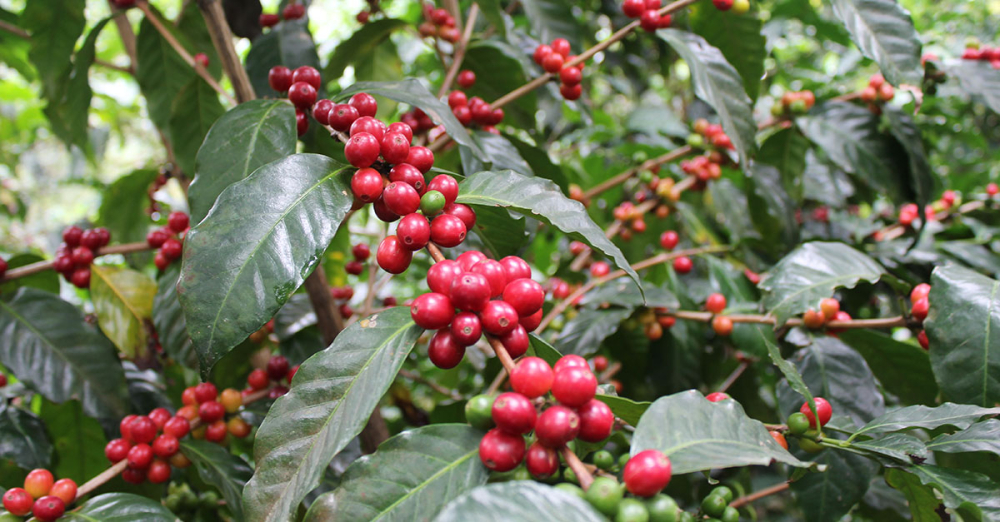
Brazil’s Cerrado region is internationally recognized as one of the sources of high-quality Arabica coffee. The area features flat terrain with an average altitude of around 1,000 meters, which not only suits large-scale mechanized cultivation but also ensures stable yields and consistent flavor profiles. The region primarily grows the Red Bourbon variety, a historically significant Arabica type known for its full body, bright acidity, and subtle notes reminiscent of red wine.
In terms of processing, the Cerrado region commonly employs the Pulped Natural (semi-washed) method. This approach reduces the risk of over-fermentation and lowers the percentage of defective beans, thereby enhancing the overall purity and sweetness of the flavor. For consumers seeking balanced taste profiles, this processing method is a standout feature.
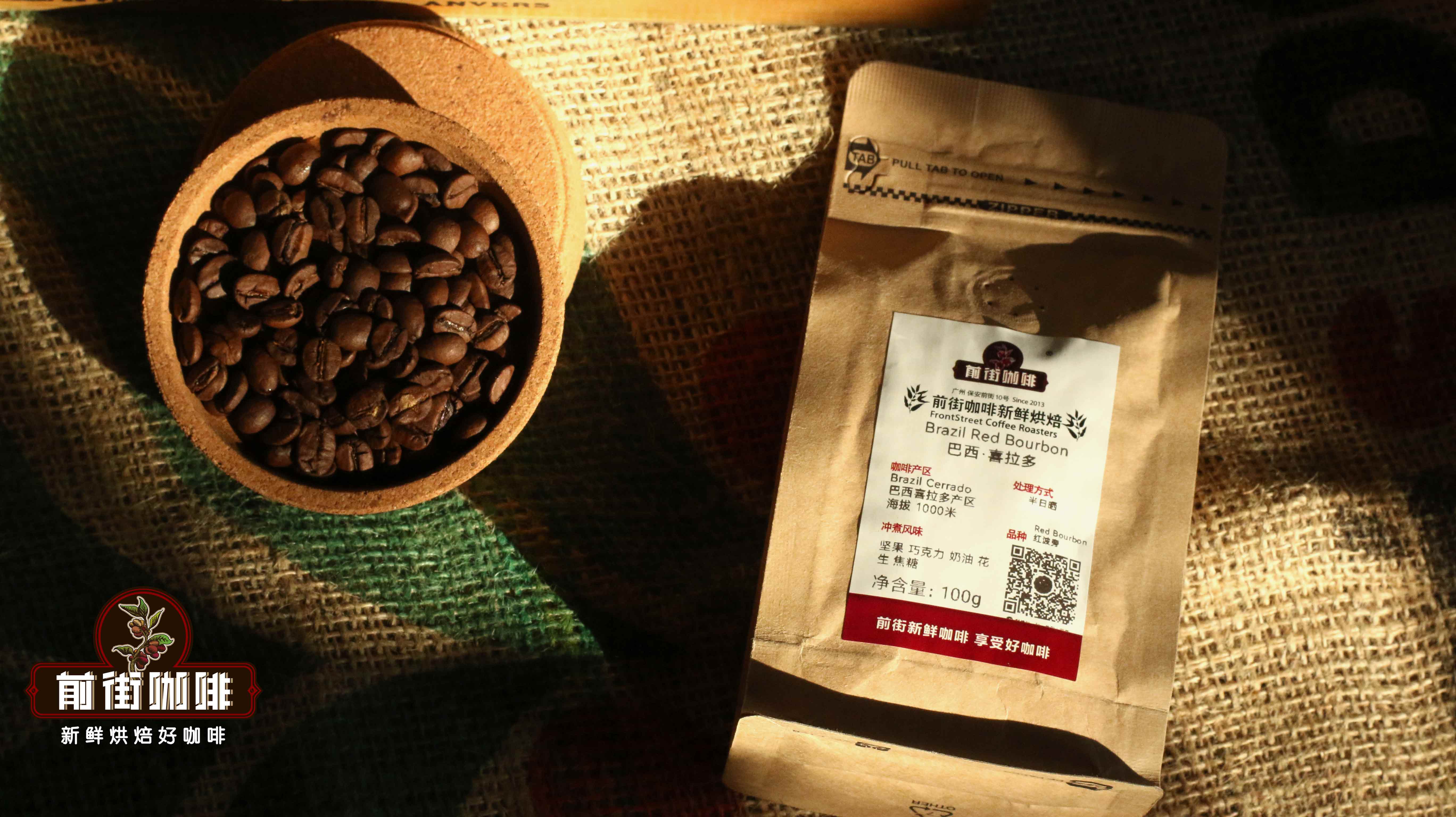
The coffee beans tasted for this review are the CORSINI BRASIL SANTOS, a classic representative from the Cerrado region. Upon opening the bag, the first aromas to greet you are stable notes of nuts and dried fruit. Upon tasting, the flavors are clear, with a distinct chocolate base accompanied by moderate caramel sweetness and soft nutty undertones. The finish is clean and long-lasting, with no heavy off-notes or signs of over-fermentation.
Roasted to a medium level, these beans demonstrate excellent balance. It is understood that during the development phase, the roaster intentionally extended the caramelization time, allowing some acidic compounds to naturally transform into sweet ones. At the same time, the heat output was controlled, with a gradual increase in drum temperature, ensuring more uniform coloration between the surface and core of the beans. This guarantees consistent and stable extraction performance across every bean.
If you plan to enjoy these beans via pour over, it is recommended to use a medium-fine to medium grind, with water temperature maintained between 90–92°C, and a coffee-to-water ratio of 2:1 to 2.5:1. Employing mid-pour techniques can better highlight their dominant nutty and chocolate notes. For those who prefer a French press, a slightly coarser grind is advisable, with a 4-minute steep followed by pressing, yielding a rounder and fuller-bodied mouthfeel.
Beyond single-origin enjoyment, CORSINI Cerrado beans also serve as the foundation for many espresso blends. For example, a classic blend combines them with Indonesian Mandheling, leveraging complementary profiles from different regions to create a rich, bold, and aromatic profile—especially well-suited for lattes or cappuccinos. When milk foam is added, it unveils deep layers of flavor, often leaving a memorable first impression.
If you prefer using a home espresso machine and favor coffee with nutty characteristics, consider trying a premium blend that includes these beans. This recipe builds upon the Cerrado base by adding high-quality beans from Colombia’s Huila region, further enhancing the layers of chocolate and nuttiness. Whether you’re making Americano or latte, the result is a smooth and mellow cup, ideal for everyday drinking or serving guests.
In summary, the CORSINI BRASIL SANTOS coffee beans from the Cerrado region, with their stable growing conditions, classic Red Bourbon variety, and well-executed medium roast, showcase the quintessential balanced flavors of South American coffee. Whether you’re a coffee newcomer or an experienced enthusiast, these beans are a high-quality choice worth trying and collecting.
The above content is compiled by CoffeeHunters, a coffee news website.


