







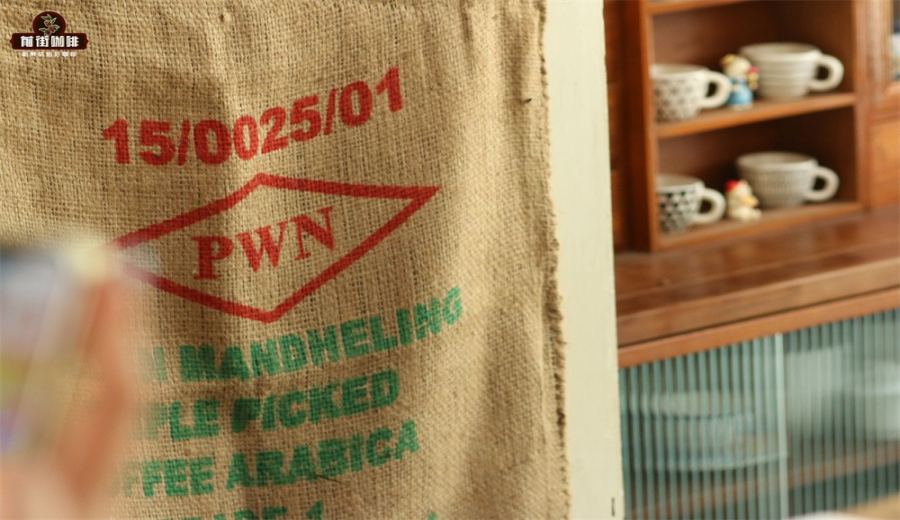
Introduction:Mandheling coffee originates from Sumatra, Indonesia, and is renowned for its rich, bold flavor profile interwoven with herbal and spicy notes. Golden Mandheling, as its premium representative, undergoes stringent selection and special processing to showcase more delicate chocolate and nutty undertones. This article will take you on an in-depth exploration of the characteristics of the Sumatra growing region, the principles of the wet hulling process, the flavor profile of Golden Mandheling, and provide practical medium-dark roast brewing suggestions to help everyone—from beginners to advanced enthusiasts—master the charm of this classic bean.
In the world of specialty coffee, Sumatran Mandheling has always been the top choice for dark roast aficionados. This Indonesian coffee is famous for its bold, full-bodied taste and unique herbal and spicy flavors, and among them, Golden Mandheling is the crème de la crème, carefully selected through multiple layers of quality control to reveal more refined and captivating chocolate and nutty aromas.
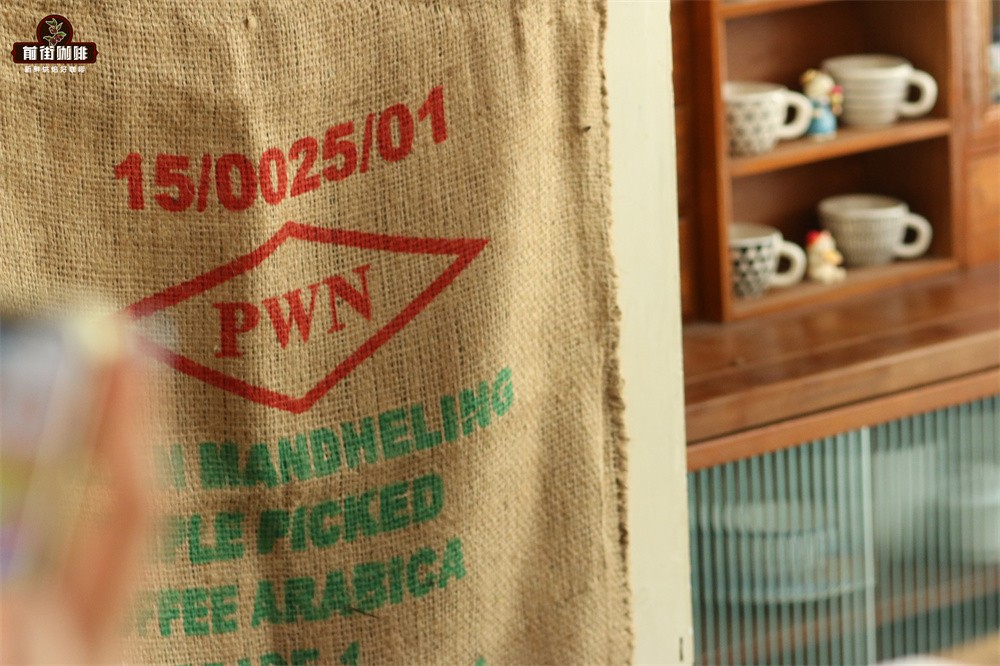
When it comes to Mandheling, one cannot fail to mention the uniquely gifted growing region of Sumatra, Indonesia. Located on the equator, the island of Sumatra enjoys a tropical rainforest climate, where high temperatures, humidity, and abundant rainfall provide ideal growing conditions for coffee trees. Local smallholder farmers mostly grow coffee in pristine mountainous areas at elevations of about 1,200 to 1,800 meters. The volcanic soil here is rich in minerals, and combined with year-round mist and significant day-night temperature variations, it creates the distinctive flavor characteristics of Mandheling.
The coffee processing methods in Sumatra are also highly localized. Due to the rainy local climate, which makes traditional sun drying difficult, and economic constraints that make the cost of the washed process too high, a unique “wet hulling” method (Giling Basah) has been developed. This approach involves briefly sun-drying the coffee beans, after removing the pulp and mucilage but while still covered in their parchment layer, to a moisture content of about 20–24%, then immediately hulling off the parchment for further drying. While this process speeds up production time, it also gives Mandheling its coarser mouthfeel and unique earthy, herbal flavors.

It’s worth mentioning that the history of coffee cultivation in Indonesia dates back to the late 17th century, when Dutch colonists introduced the Typica variety from India. After successful trial planting on Java Island, it was gradually expanded to regions such as Sumatra and Sulawesi. However, the leaf rust disease disaster of 1869 almost destroyed the local Typica coffee plantations, forcing Indonesia to switch to the more disease-resistant Robusta variety. Later, to improve both flavor and yield, various disease-resistant hybrid varieties were introduced, such as Tim Tim and Catimor. These varieties gradually became the mainstay of Sumatran coffee, including the classic Mandheling.
Mandheling produced in the northern regions of Sumatra, particularly in Aceh and North Sumatra provinces, is mainly concentrated around the highlands surrounding Lake Toba and Lake Tawar. As the world’s largest volcanic lake, Lake Toba sits at an elevation of about 1,400 meters, with a cool and rainy climate that is very suitable for coffee growth. The Lake Tawar area, dominated by the Gayo Mountains at elevations of 1,200 to 1,800 meters, is home to coffee cultivated by the Gayo people, known for its clean acidity and delicate floral notes—it is an important source of premium Mandheling.
As the premium grade of Mandheling, Golden Mandheling adheres to strict selection criteria. Typically, it uses flat beans sized 19 or above, with fewer than three defects per 300-gram sample, and belongs to the highest-grade G1 classification. These beans undergo multiple rounds of manual sorting to ensure each one is plump and flawless, displaying a characteristic deep green color, making them an excellent choice for medium-dark roasting.
In terms of roasting, Golden Mandheling is generally recommended to be dropped at the medium-dark roast stage. This helps preserve moderate acidity while bringing out rich caramel, cocoa, and piney aromas. The roasted beans are lighter in weight, so stability in powder-to-water contact during brewing should be noted. It is recommended to use a medium-fine grind (e.g., 70% passing through a #20 sieve), paired with a Kono filter, which can effectively extend the water-coffee contact time, improve extraction uniformity, and enhance the bold mouthfeel.
For actual brewing, it is suggested to control the water temperature at 86°C, with a coffee-to-water ratio of 1:15. Taking 15 grams of coffee powder as an example, start with a 30-second bloom using 30 grams of water, then pour in a small, circular motion until reaching 125 grams for the first pour. When the water level drops and is about to expose the coffee bed, continue pouring to 225 grams to finish the extraction, with a total brew time of about 2 minutes. These parameters help balance the boldness and delicate aromas of Golden Mandheling, highlighting its sugarcane sweetness and herbal notes.
In summary, Sumatran Mandheling, thanks to its unique growing environment and wet hulling process, delivers a rich, bold flavor profile interwoven with herbal and spicy elements. Golden Mandheling, built upon this foundation and refined through stringent selection and careful processing, showcases even higher levels of chocolate, nutty, and caramel notes. Whether you’re a pour over enthusiast or a barista seeking a dark roast blend, this classic bean offers a rich and multi-layered tasting experience.
The above content is compiled by CoffeeHunters, a coffee news website.


