







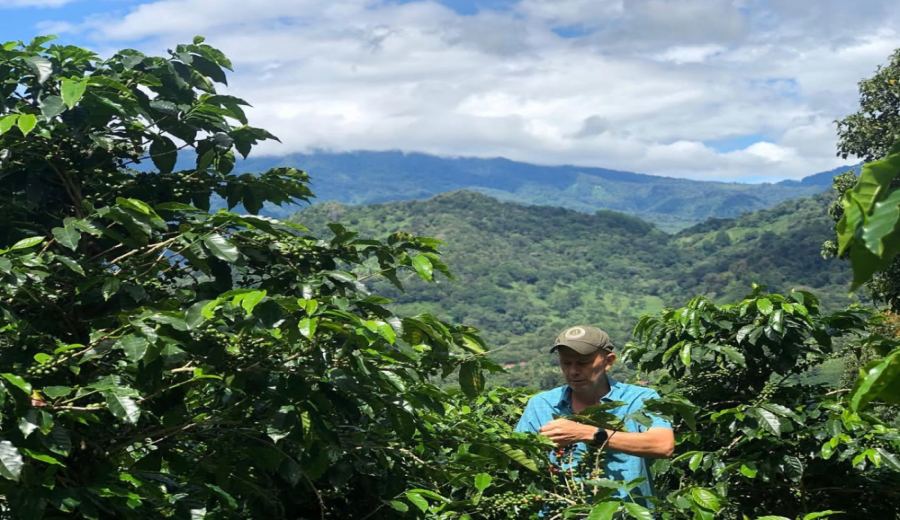
Introduction:The Duncan Estate in the Boquete region of Panama, with its exceptional environment and meticulous sustainable farming practices, has consistently achieved remarkable results in the global specialty coffee market. This article delves into the geographical background, ecological management, processing methods, and the unique flavor profile of its highly acclaimed Geisha White Honey-processed beans, along with a hands-on review of its sun-dried Caturra offering—helping readers fully appreciate the allure and brewing recommendations of this top-tier coffee.
Situated in the Central American isthmus, Panama borders the Caribbean Sea to the north and the Pacific Ocean to the south, serving as a natural hub connecting North and South America. Colonized by Spain in 1501, Panama gradually built the Panama Canal, which links global trade and officially opened in 1914. Due to its proximity to Costa Rica, its coffee grading system and processing techniques are also similar to those of its neighbor.
Panama hosts two major events each year that set global specialty coffee trends—the Best of Panama (BOP) competition and the Gesha auction. Among them, Chiriquí Province is the heart of Panama’s specialty coffee production, while the Boquete and Volcán regions, nestled at the foot of the Barú Volcano, boast high altitudes, mineral-rich volcanic soils, and a humid climate with annual rainfall reaching up to 3,500 mm, making them the golden zones for cultivating premium Arabica coffee.
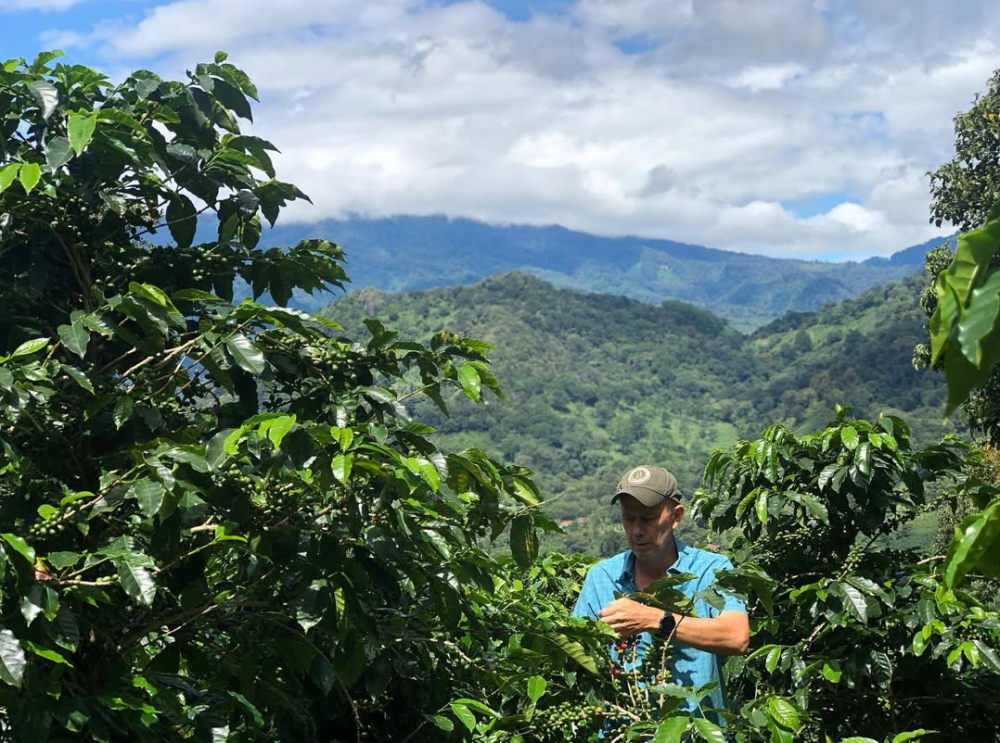
Among the many outstanding coffee estates, the Duncan Estate (Finca Duncan) under the Kotowa family is particularly renowned. The name Kotowa originates from the local indigenous language, meaning “mountain,” and carries the family’s century-long history of coffee cultivation. Over a hundred years ago, Alexander Duncan McIntyre, captivated by the region’s natural beauty and simple way of life, chose to settle here and start a coffee farming venture, which has now been passed down to the fourth-generation owner, Ricardo Koyner.
Currently, the Kotowa Group owns seven farms, five of which are well-known among coffee enthusiasts: Finca Kotowa Duncan (Duncan Estate), Don K Estate, Finca Rio Cristal (Crystal River Estate), Finca Kotowa Tradicional (Traditional Kotowa Estate), and Finca Kotowa Las Brujas (Witches Estate). There are also two newly developed farms, Mango and Redondo, which have not yet released commercial beans.
The Duncan Estate is located at an altitude of approximately 1,700 meters in the Volancito area of the Boquete region. The region experiences significant day-night temperature variations, with abundant sunshine during the day and cool, frost-free nights, coupled with the combined influence of air currents from the Pacific and Atlantic Oceans, forming a unique microclimate. The fertile black soil formed from volcanic lava and excellent drainage conditions provide an ideal growing environment for premium varieties such as Geisha.
Since 2006, the Duncan Estate has been recognized by the Panamanian government as the “Cleanest Industrial Enterprise” and is committed to sustainable operations and ecological preservation. The estate includes nearly 500 acres of forest conservation areas where hunting and fire risks are prohibited, and it has actively planted over 500 native tree species to provide habitats for wildlife and migratory birds. In addition, the estate adheres to strict ecological standards in agricultural practices, including water conservation, pest control, soil maintenance, waste management, community engagement, and ensuring fair wages, healthcare, and education for workers, demonstrating a comprehensive sustainability vision.
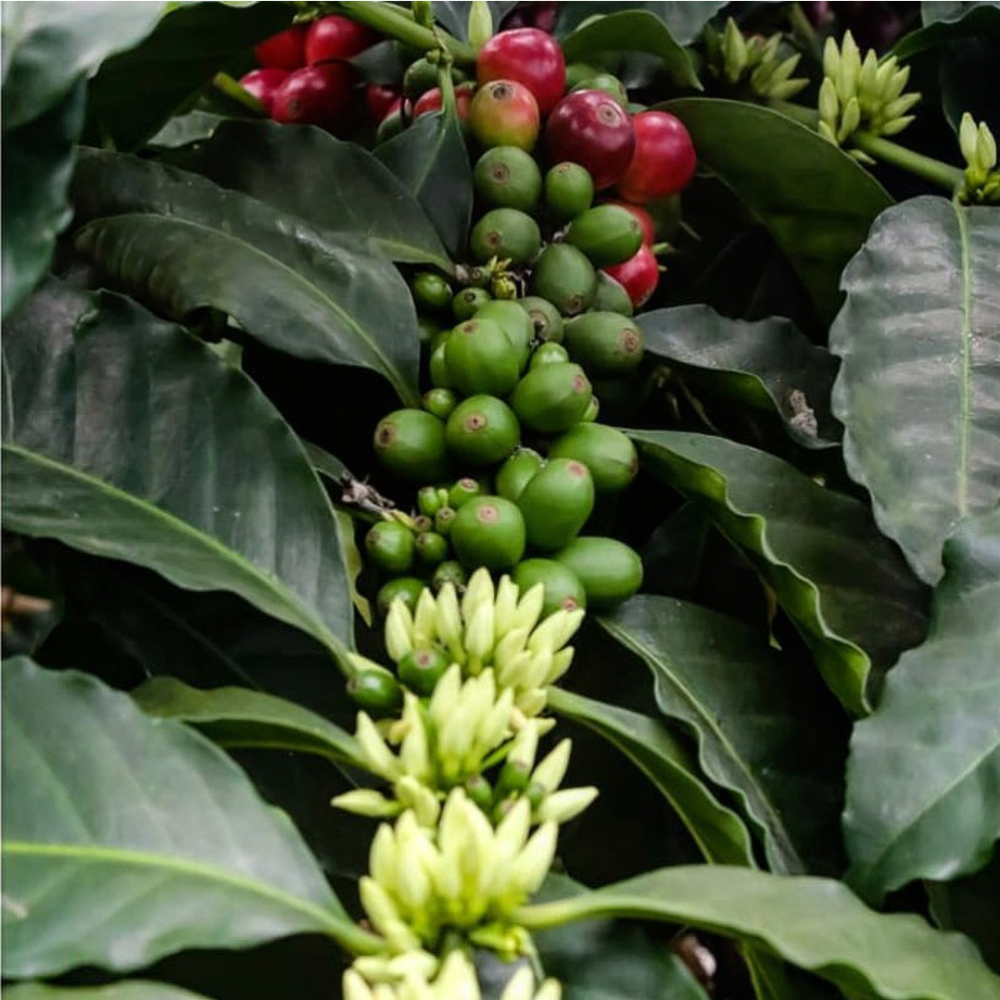
In terms of harvesting and processing, the Duncan Estate insists on picking only coffee cherries that have fully ripened to a deep red-purple color. It employs modern depulping technology with clean local water sources to efficiently remove the fruit pulp. Notably, compared to conventional processing facilities, the Duncan Estate uses only about half a liter of water per pound of green beans, saving 10–20 liters of water, and converts the pulp and wastewater into organic fertilizer, practicing resource recycling.
The processed green coffee beans are then rested for two months in a constant 45°C environment to stabilize moisture content and enhance flavor concentration, resulting in more captivating aromatic profiles. From planting and harvesting to processing, every batch of coffee beans from the Duncan Estate is fully traceable, ensuring consistent quality.
The Duncan Estate has performed exceptionally well in major international competitions, including first place in the Traditional Natural category and third place in the Traditional Washed category at the 2016 BOP, as well as top-three placements in both Washed and Natural categories in 2014 and 2013. In 2012, it swept multiple category championships, showcasing its consistently high-quality coffee offerings.
Among them, the Panama Boquete Duncan 1700 Geisha White Honey is one of its flagship beans, grown at the 1,700-meter-altitude Duncan Estate, where annual rainfall is around 1,900 mm and temperatures range between 13–22°C. This bean is processed using the white honey method, which retains part of the mucilage layer, imparting richer sweetness and complex layers. Flavor-wise, it showcases pronounced floral notes, complemented by fresh fruity aromas such as lemon, orange, and apricot, with a crisp and sweet acidity and a syrupy, velvety mouthfeel.
Additionally, there is also the sun-dried Caturra from the Duncan Estate. This variety emphasizes ripeness—only wine-red cherries are selected—and undergoes rapid processing after harvest to prevent over-fermentation. Roasted to a medium-light level, it presents clear floral-fruity notes and caramel sweetness. In cupping, the dry aroma features soft floral-fruity tones like cranberry, cherry, and grape; upon tasting, one can perceive intense fruit flavors such as prune, grape, and sweet plum, paired with a honey-like sweetness; as the temperature drops, the tart-sweetness of hawthorn and layered fermented wine notes emerge, delivering an overall experience rich in complexity and lingering finish.
The above content is compiled by CoffeeHunters, a coffee news website.


