







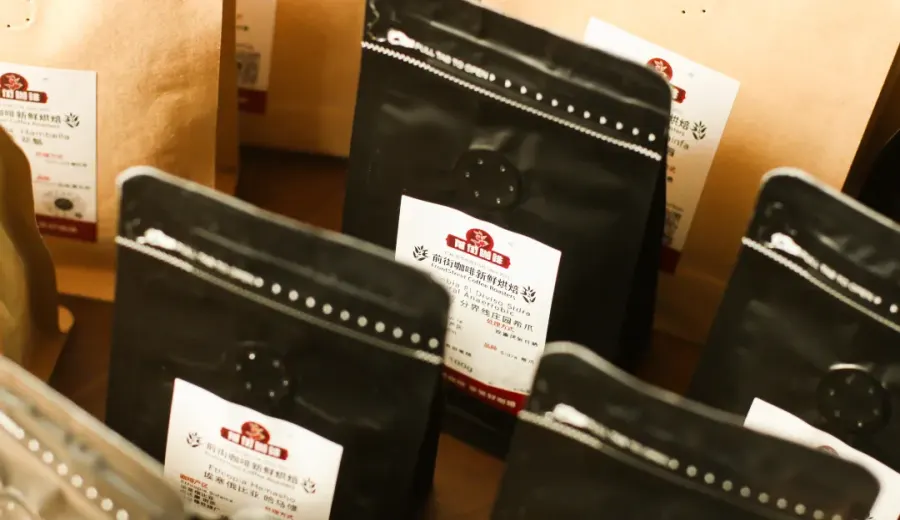
Introduction:Understanding the flavor characteristics of coffee beans is the first step in selecting the right beans and mastering the key elements of brewing. This article delves into five major flavor profiles—predominantly bitter, predominantly acidic, predominantly sweet, neutral, and mellow—and explores how the Maillard reaction and caramelization influence coffee aroma and color. It also provides roasting recommendations tailored for both pour over and espresso brewing, helping you find the most satisfying coffee experience based on your taste preferences.
The flavor expression of coffee beans is extremely diverse and can generally be categorized into several main types: predominantly bitter, predominantly acidic, predominantly sweet, neutral, and mellow. These flavor differences are primarily influenced by factors such as origin environment, coffee variety, green bean processing methods, and roast level. If you wish to select coffee beans that better match your personal taste, understanding these basic classifications and their underlying causes is key to getting started.
During the roasting process, the Maillard reaction and caramelization are two crucial chemical reactions that shape the aroma and color of coffee. The Maillard reaction gives coffee complex layers of nuttiness, maltiness, and meaty undertones, while caramelization brings out pronounced notes of caramel, butterscotch, and even chocolatey sweetness. The balance among acidity, sweetness, and bitterness often depends on the control of roasting time and temperature. Generally speaking,the longer the roasting time, the more the acidity diminishes, the bitterness becomes more pronounced, and the aroma produced by caramelization becomes increasingly rich..
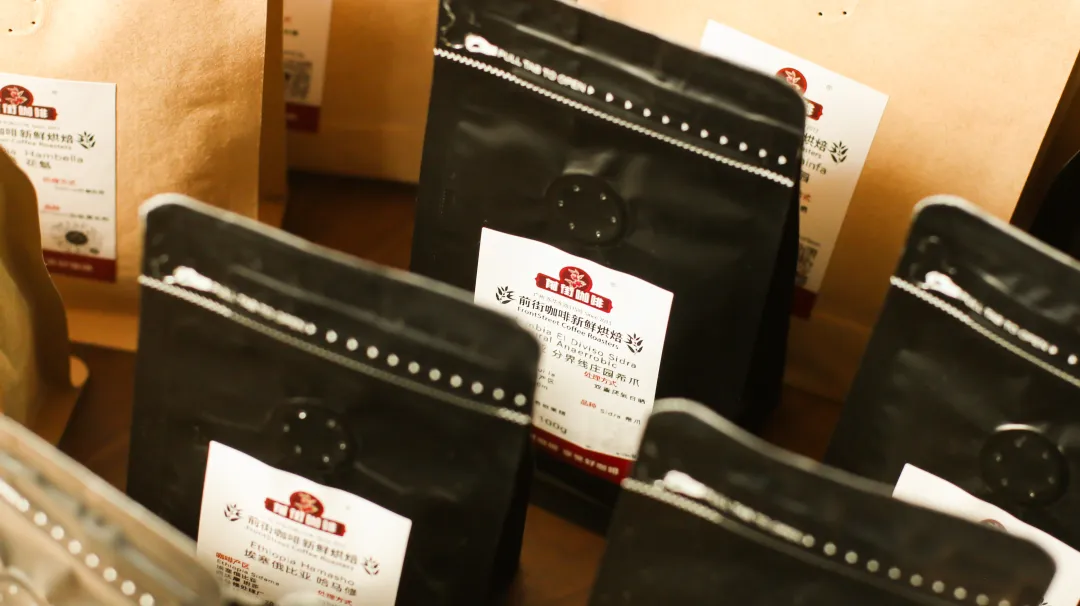
If you prefer the pour over method, it is recommended to choose beans with a medium-dark roast and rich flavor complexity. Take Indonesian Golden Mandheling, for example. This classic coffee from Sumatra is typically subjected to multiple rounds of rigorous hand sorting, resulting in beans that are round and intact in appearance. With a medium-dark roast, it exhibits intense notes of spice, caramel, cedar, and dark chocolate. It has a full-bodied, smooth mouthfeel with a slight oily texture and extremely low acidity, making it highly suitable for coffee lovers who dislike sour or astringent tastes. When brewing this type of bean, it is recommended to use a medium-fine grind, a water temperature of around 90–92°C, and a middle-section pouring technique, which helps fully bring out its aroma and sweetness.
As for espresso brewing, dark roast beans are often the top choice. These coffees, roasted to a medium-to-dark level, showcase intense roasty aromas and a full body. They produce rich crema, and the resulting Americano is smooth and mellow, making it ideal for everyday drinking. When used to make lattes or cappuccinos, they also deliver a silky texture and lingering aftertaste. The characteristic of dark roast beans lies in their emphasis on balancing bitterness and sweetness along with intense flavors. For home users or coffee shop operators, they are a stable and popular option.
In summary, understanding the classification of coffee bean flavors and roasting reactions can help you choose the right beans according to your taste preferences—whether you favor bright fruity acidity, rich caramel notes, or deep dark chocolate flavors. At the same time, adjusting grind size, water temperature, and brewing time based on your brewing method can further enhance the quality and enjoyment of every cup of coffee.
The above content is compiled by CoffeeHunters, a coffee news website.


