







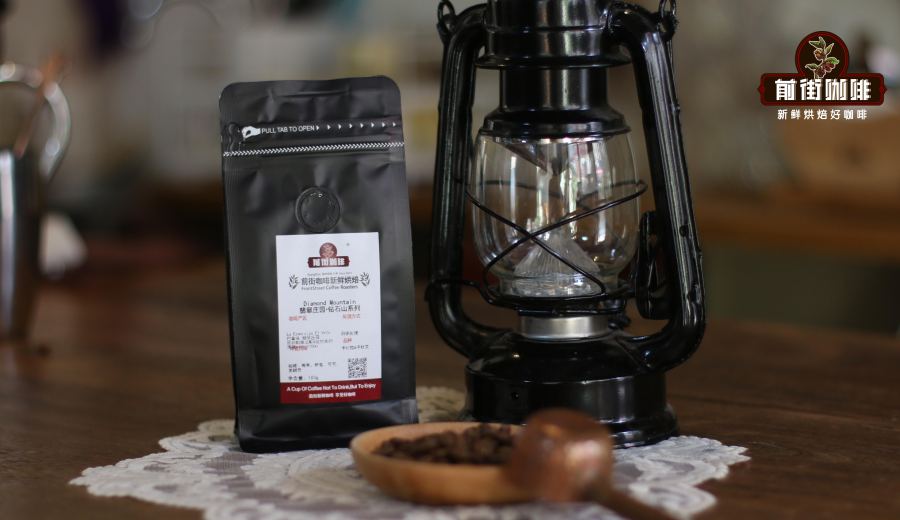
Introduction:Delve into the origin, variety characteristics, and natural sun-drying process of the Diamond Mountain series under Panama’s Finca Elida, and explore how the Catuaí beans develop red berry and honey sweetness in volcanic soil and high-altitude environments. This article details its processing techniques, roasted bean features, and pour over recommendations to help you unlock the flavor potential of this medium-light roasted specialty bean.
Among the shining stars of specialty coffee, Panama’s Finca Elida is globally renowned for its Geisha variety. However, another noteworthy series under its banner—the Diamond Mountain—also showcases exceptional flavor charm. This series is primarily cultivated in the Boquete region surrounding the Barú Volcano, mainly featuring the Catuaí variety. With high-altitude volcanic soil and refined natural sun-drying processing, it yields premium coffee that balances fruity aroma with sweet notes.
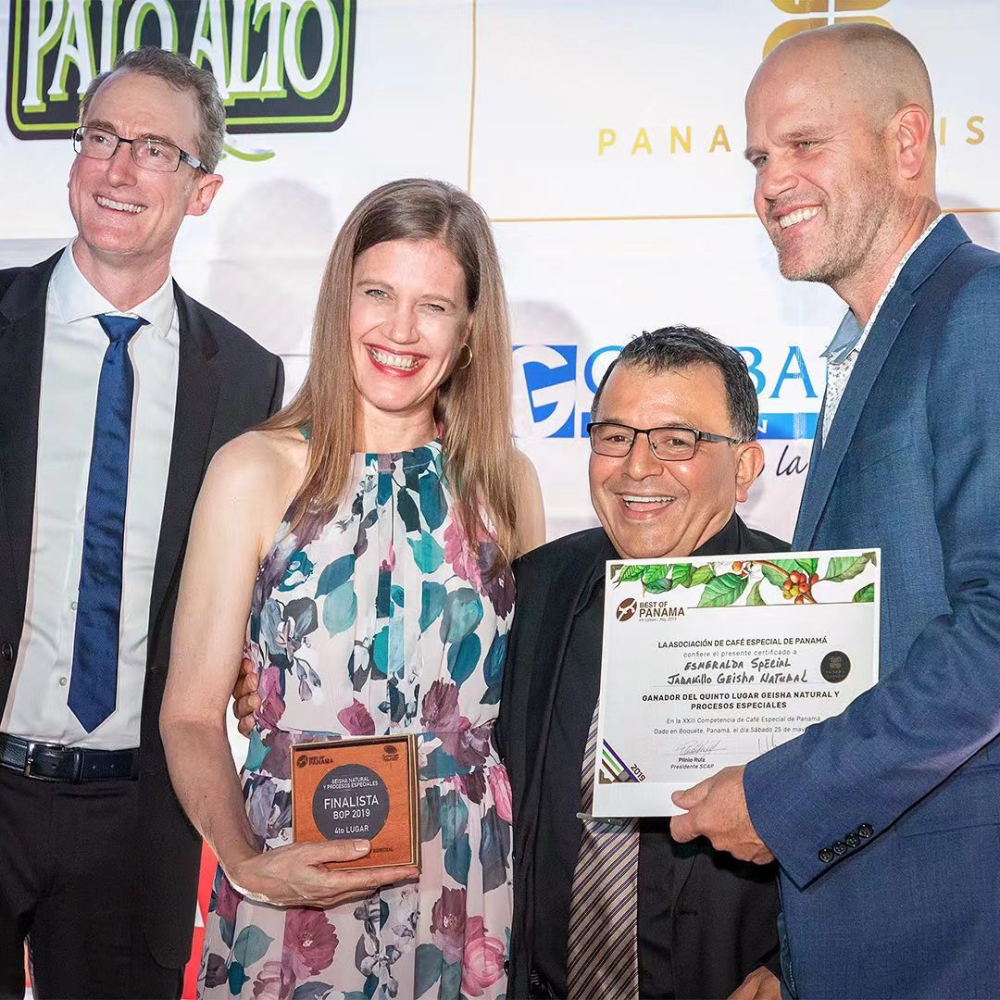
The history of Finca Elida dates back to the late 20th century, when it was initially a diversified farm that raised dairy cattle and grew citrus crops in addition to coffee. However, what truly changed its destiny was the Peterson family’s discovery of the Geisha variety, which demonstrated immense potential. Starting in 2004, this variety won numerous accolades in multiple editions of the Best of Panama (BOP) international competition, not only propelling Finca Elida to fame but also establishing its presence on the global specialty coffee map.
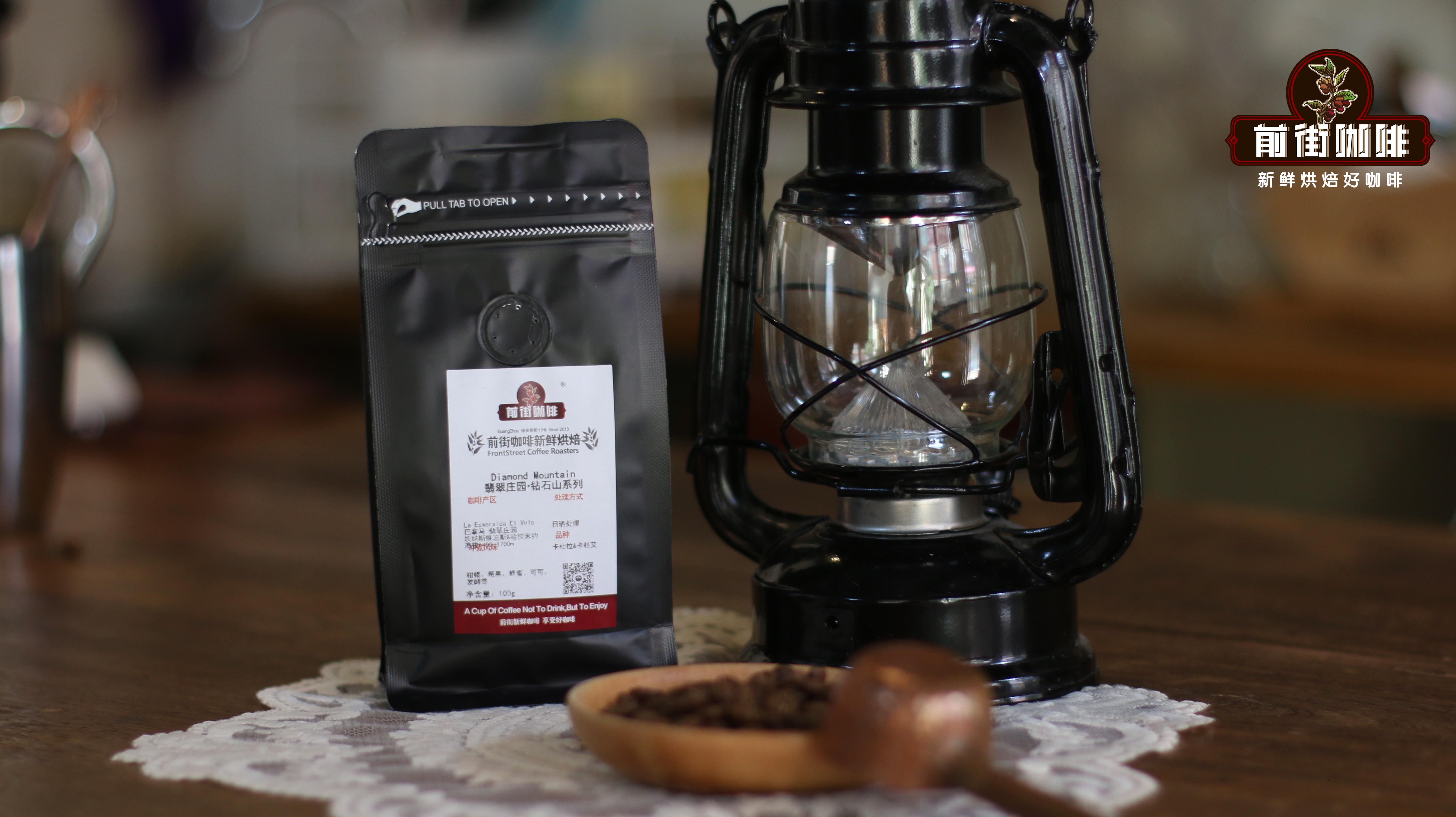
In 2002, the owner’s youngest son, Daniel Peterson, noticed that coffee harvested from different sections of the farm, despite undergoing the same processing, exhibited distinctly varied flavor profiles. Through in-depth cupping, he eventually identified, in the high-altitude valley of the Jaramillo plot, a group of tall, slender trees with low yield but possessing an extraordinary citrus character. These were later identified as the Geisha variety, which would go on to become one of the legends of specialty coffee.
In 2004, Finca Elida first entered this batch of Geisha coffee beans into the BOP competition, where they immediately won the championship for “Best Coffee in Panama” with their unique aroma and rich body. That year, they also set an auction record at $21 per pound. In the following years, the variety continued to dominate international competitions, bringing the farm countless honors, including multiple championships from the Specialty Coffee Association of America (SCAA) and recognition such as Rainforest Alliance quality certification.
Although the Geisha series commands a high price, Finca Elida also offers more affordable series like Diamond Mountain, allowing more coffee enthusiasts to experience the outstanding terroir of its farm. The Diamond Mountain series is mainly grown at altitudes of 1400 to 1600 meters in the Canas Verdes and Jaramillo areas, located on the right slope of the Barú Volcano. These regions feature fertile volcanic soil and abundant primary forest shade, providing an ideal growing environment for coffee trees.
The area cultivates a variety of varieties, including Typica, Bourbon, and Catuai, but the Diamond Mountain series focuses on Catuaí. This variety is a cross between Catucaí and Mundo Novo, offering advantages such as high yield, strong disease resistance, and relatively short tree height, which allows for higher planting density—about twice that of traditional Bourbon varieties—making it an ideal choice for stable supply on many coffee farms.
Beyond its advantageous geographical conditions, Finca Elida also invests significant effort in sustainable management. The farm has earned Rainforest Alliance certification, ensuring that biodiversity and wildlife habitats remain undisturbed. Wastewater generated during the green bean post-harvest process is treated through a recycling system to prevent pollution and protect water resources. These measures collectively create an environmentally friendly and quality-stable coffee production system.
The natural sun-drying process of Diamond Mountain coffee is key to shaping its flavor profile. After harvesting, the coffee cherries are evenly spread and dried in the farm courtyard, allowing the pulp and seeds to ferment simultaneously, enabling the beans to fully absorb natural sugars and fruit aromas. This process not only enhances sweetness but also imparts distinct honey and fruity notes to the coffee.
During the drying phase, Finca Elida prefers to use the Guardiola system. This is a horizontally rotating drying drum that effectively reduces humidity through warm air circulation while minimizing the risk of mold growth. After drying, the green beans are placed in nylon bags and left to rest for 30 to 45 days in a “reposo” (maturation period). This step helps stabilize the beans, resulting in a rounder and more layered flavor during final brewing.
A certain coffee brand’s imported Diamond Mountain series features green beans with a yellowish hue, a relatively high silverskin ratio, flat bean shape, and slightly elongated tips—characteristics typical of Catuaí. To highlight its red berry and light fermentation aromatic traits, roasters often opt for a medium-light roast to preserve more of the inherent flavors and bright acidity.
For actual brewing, it is recommended to use a medium-fine grind (approximately 80% passing through a Chinese standard No. 20 sieve), with water temperature at 90–93°C, extracted via pour over. In terms of flavor, this coffee often presents clear citrus acidity, a nutty base, accompanied by honey-like sweetness and a soft cocoa aftertaste. The overall mouthfeel is smooth and layered, making it highly suitable for coffee lovers who enjoy bright fruity acidity and fruit-forward profiles.
In summary, the Diamond Mountain series from Panama’s Finca Elida, while not as expensive or rare as the Geisha series, still demonstrates the exceptional expression brought by high-altitude volcanic environments and refined processing techniques. Whether as a daily specialty bean choice or to further explore the potential of the Catuaí variety, this medium-light roasted, naturally sun-dried bean is well worth your careful savoring.
The above content is compiled by CoffeeHunters, a coffee news website.


