







Introduction:Yirgacheffe is Ethiopia’s most iconic coffee-growing region, renowned for its distinctive floral and fruity aromas and refined washed processing. This article delves into how the region separated from Sidamo, the practical differences between Grade G1 and G2, and explores the uniqueness of the Heirloom heirloom variety. It also provides detailed brewing recommendations for washed Yirgacheffe to help you better understand the flavor profile and brewing techniques of this classic African coffee.
Yirgacheffe is one of the most recognizable regions in Ethiopia’s coffee map. With its high-altitude terrain and meticulous washed processing, it produces a bright flavor profile featuring citrus, jasmine, and berries. Nestled in mountainous areas ranging from 1,700 to 2,100 meters above sea level, this region not only fosters a unique coffee character but also holds a significant place in the global specialty coffee market.
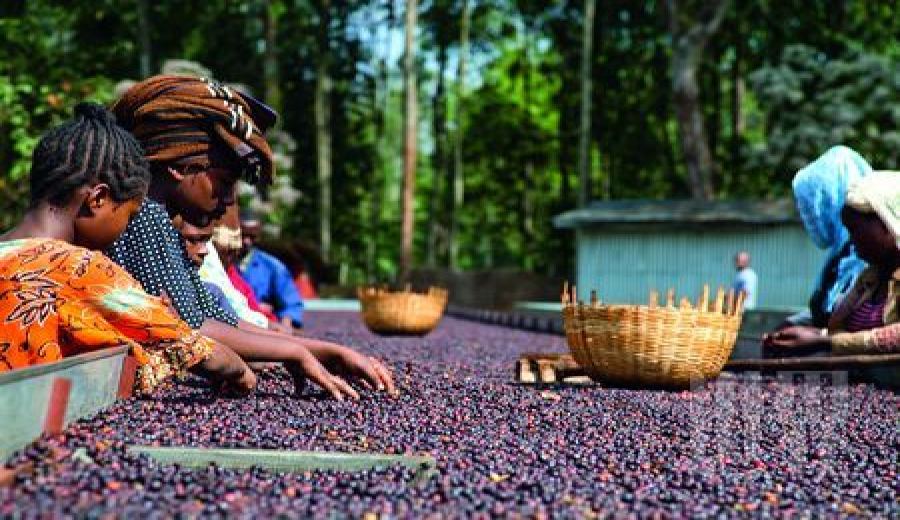
As the birthplace of coffee, Ethiopia’s coffee cultivation system is primarily based on smallholder farming, with around 90% of its coffee coming from nearly 1.2 million family farms. The production model mainly falls into four categories: forest, semi-forest, garden, and large plantations, with garden coffee being the most common form. Due to limited individual yields, farmers often deliver their fresh cherries to nearby washed processing facilities for unified processing, and then sell the coffee under the name of the processing facility. Yirgacheffe is a typical representative of this cooperative model.
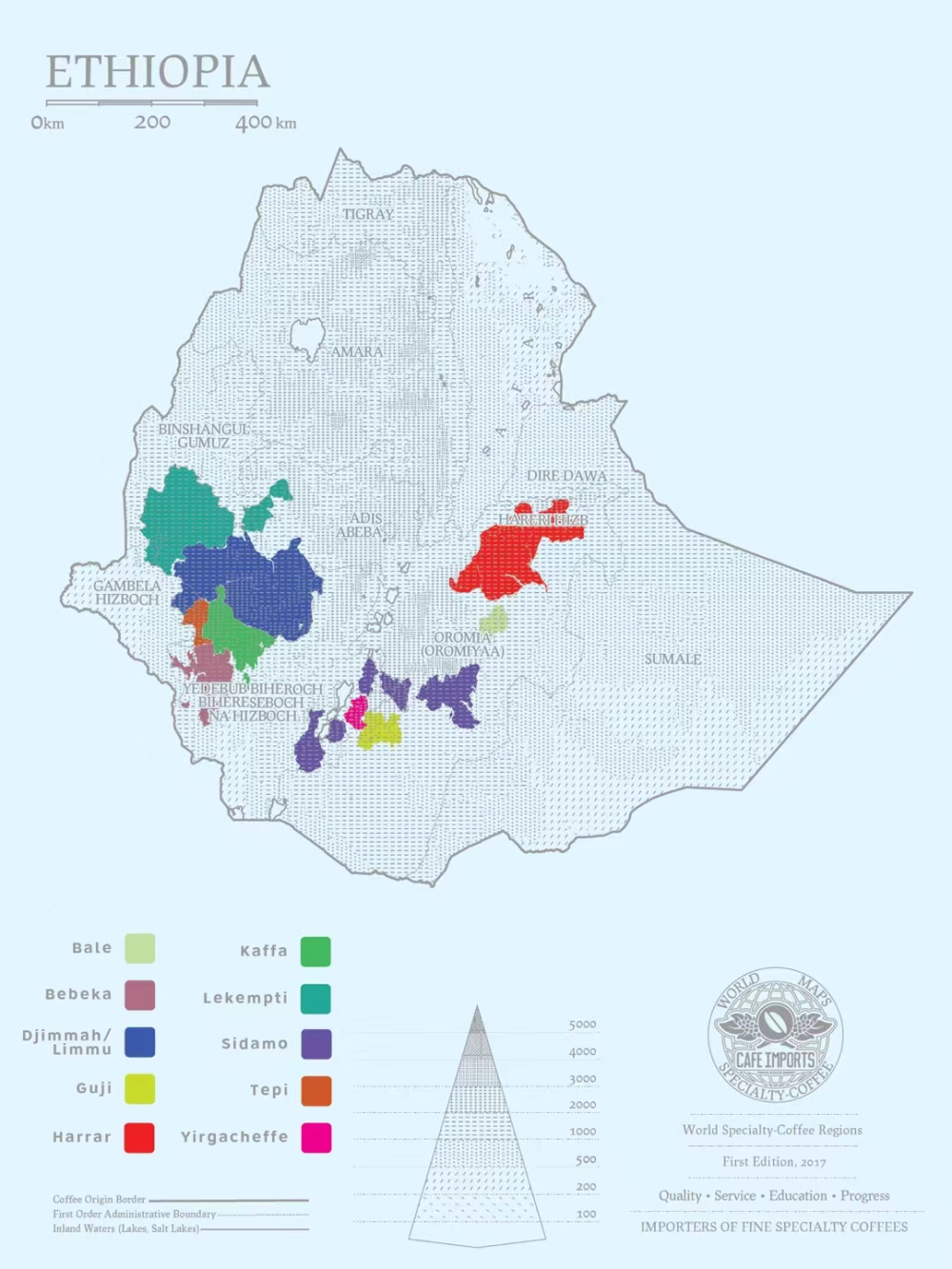
The town of Yirgacheffe, originally named "Yirgacheffe," is located in the northwest of the Sidamo region and was originally a sub-region under that province. Its unique misty climate and spring-like environment year-round allow coffee trees to coexist with other crops in farmers’ backyards or terraces, creating distinctive flavor characteristics. With growing international acclaim for its flavors, the region eventually gained independent administrative status in 2004, separating from Sidamo. Along with regions such as Wenago, Gimbi, and Kochere, it received official certification for the "Yirgacheffe flavor profile." However, use of this trademark requires passing the government’s strict flavor quality tests.
In 2008, the Ethiopian government established the Ethiopian Commodity Exchange (ECX), incorporating coffee into a standardized auction system and classifying beans by processing method and cupping results. Among these, G1 and G2 are the higher grades for washed beans:G1 requires no more than 3 defects per 300 grams of green beans,while G2 allows 4 to 12 defects. Although the defect difference narrows after roasting, G2 remains the market mainstream due to its better cost-performance ratio — a certain brand’s entry-level beans, for instance, use washed beans of this grade.
When discussing Ethiopian coffee, one cannot overlook the commonly mentioned variety name "Heirloom." In the local context, Heirloom refers to precious generational heritage, but in practice, it encompasses tens of thousands of wild or semi-wild Arabica varieties that have not been clearly classified. Due to the vast number of varieties and complex genetic traits, most can only be identified by farmers’ experience. Therefore, the government has uniformly categorized them as Heirloom, which both protects biodiversity and prevents overexploitation of varietal resources.These heirloom varieties typically have smaller beans and irregular shapes, and often exhibit delicate floral notes and citrus tones during cupping, making them core contributors to the Yirgacheffe flavor profile.
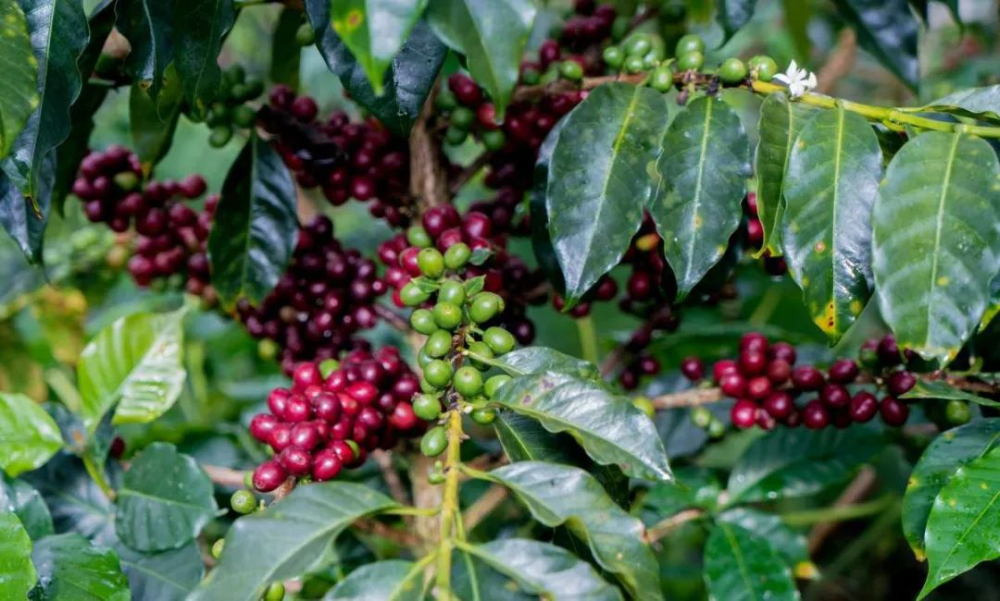
The distinct flavors of Yirgacheffe are largely attributed to the washed processing technique introduced in 1972. This method relies on a stable supply of clean water, using fermentation followed by mechanical friction and water rinsing to thoroughly remove the pulp and impurities, resulting in cleaner and more uniform green beans. Compared to the natural (sun-dried) method, washed processing significantly reduces defect rates and highlights bright acidity and fruity-floral notes, creating Yirgacheffe’s signature refreshing citrus and white floral flavors, with an overall clean and layered mouthfeel.
For brewing washed Yirgacheffe, it is recommended to use a V60 filter cone with medium-light roasted beans. Specific parameters are set as follows:Water temperature controlled at 92–93°C, 15 grams of coffee, a 1:15 coffee-to-water ratio, and a grind size of approximately 78% through a #20 sieve (similar to the coarseness of fine sugar). Use the three-pour method — the first pour adds twice the coffee weight in water (about 30 grams) for a 30-second bloom, the second pour uses a slow circular motion until reaching 125 grams, then pause until the coffee bed descends to the middle of the filter, followed by pouring to 225 grams to complete extraction, with a total brew time of about 2 minutes. These parameters fully showcase the bean’s lemon, green tea, and berry notes, with a lingering finish of soft creaminess and sugarcane sweetness.
The ground coffee emits aromas of honey and jasmine, and berry notes gradually emerge after pouring water. The finished pour-over black coffee delivers a distinct citrus acidity and green tea freshness upon tasting, transitioning into berry sweetness and a subtle creamy texture as it cools, offering a well-balanced flavor with a long-lasting aftertaste. Whether you’re a beginner or a seasoned coffee enthusiast, washed Yirgacheffe is an excellent choice for experiencing the essence of Ethiopian coffee.
The above content is compiled by CoffeeHunters, a coffee news website.


