







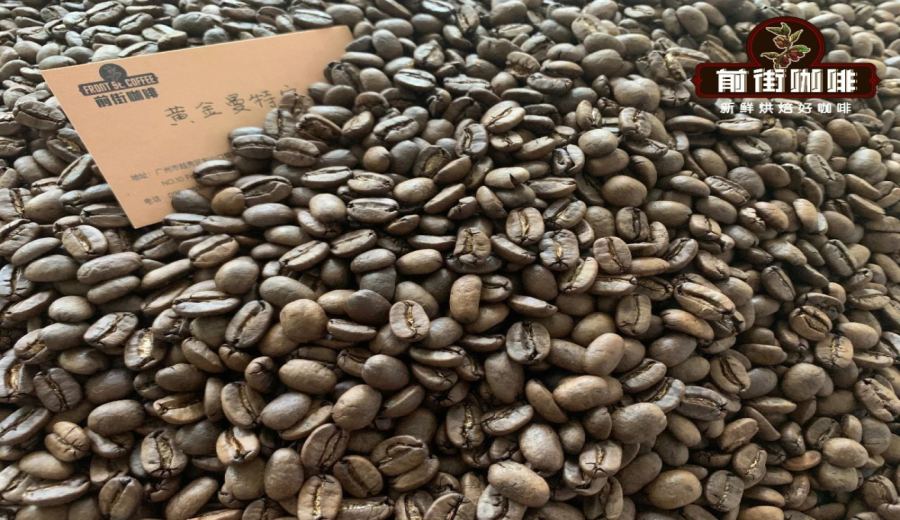
Introduction:Golden Mandheling is a representative high-quality single-origin coffee from Sumatra, Indonesia, but the prevalence of imitations on the market makes it difficult for consumers to discern the genuine article. This article provides an in-depth analysis of Golden Mandheling’s growing regions, the authentic PWN trademark certification, defect grading standards, and guides you through everything from green bean appearance to brewed flavors—covering all the key points for selection and appreciation. Whether you’re brewing pour over or using an espresso setup, you’ll be able to choose the classic Mandheling that’s right for you.
Among the many single-origin coffees from Indonesia, Golden Mandheling stands out as a classic favorite among coffee enthusiasts for its rich, full-bodied flavor and high-quality green beans. However, products labeled as “Golden Mandheling” flood the market, with only a handful truly originating from certified sources and meeting strict standards. So how do you select a Golden Mandheling that’s truly worth savoring? We’ll guide you from regional characteristics, PWN trademark identification, defect grading, to actual flavor profiles—helping you appreciate the beans from appearance all the way to the cup.
The Three Core Features of PWN Golden Mandhelingare what make it stand out. First, PWN (PT. Perkebunan Nusantara), an agricultural company with official Indonesian backing, sources its coffee beans exclusively from the Gayo region of Sumatra. Most coffee farmers in this area are smallholders who generally practice shade-grown cultivation, which helps the coffee cherries ripen slowly and accumulate more complex flavor compounds.
Secondly, PWN follows an extremely rigorous processing procedure for its coffee beans. After harvesting ripe coffee cherries, they first undergo washed processing, followed by prolonged sun drying. Then they go through at leastthree rounds of manual sorting and one mechanical screeningto strictly eliminate defective beans. The standard ensures no more than 3 defects per 300-gram sample of green beans, while the beans exhibit a vivid blue-green hue, are plump, and uniformly sized. This quality control benchmark far exceeds the basic requirements of Indonesia’s highest grade, G1.
Thirdly, “Golden Mandheling” is actually a registered trademark of PWN,and not all coffee beans labeled as Mandheling can be called Golden Mandheling.As the coffee has gained international recognition, many merchants have launched similar-named products. But without supply from PWN itself and the relevant certifications, these are likely just ordinary Mandheling or mislabeled beans of lower grades. When purchasing, it’s advisable to look for the PWN trademark and ensure it comes from an authorized source to guarantee you’re enjoying truly high-quality Golden Mandheling.
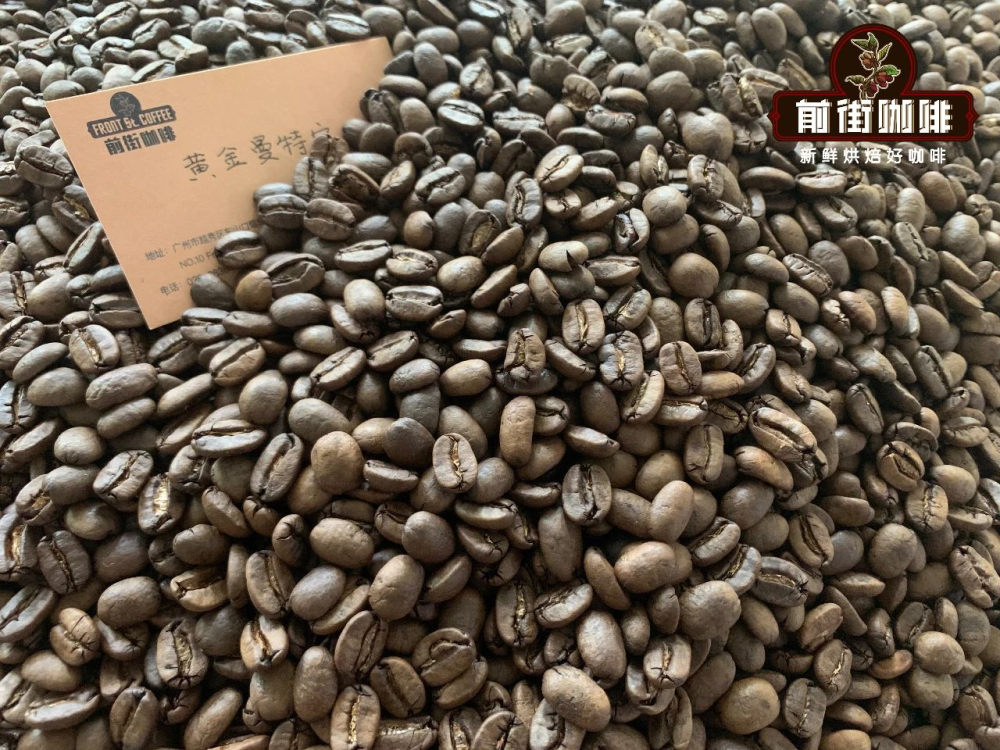
In Indonesia, coffee bean grades are primarily determined by the number of defects, with bean size serving only as a secondary reference. Generally, export-grade coffee beans must be free of live insects, mold, or foul odors, with moisture content controlled below 12.5% and impurity levels not exceeding 0.5%. Below is the official Indonesian defect grading standard (based on a 300g sample of green beans):
Indonesian Mandheling Defect Grading Table (based on a 300g sample)
- Grade G1: ≤ 11 defects
- Grade G2: 12–25 defects
- Grade G3: 26–44 defects
- Grade G4a: 45–60 defects
- Grade G4b: 61–80 defects
- Grade G5: 81–150 defects
- Grade G6: 151–225 defects
Notably, the PWN Golden Mandheling offered by this supplier belongs to the extremely rare Grade G1. This grade was originally custom-developed for the high-end Japanese market with even stricter criteria—allowing no more than 3 defects in a 300g sample. Compared to the general G1 standard, this benchmark is even more exacting, and beans that meet it are undoubtedly the finest of the fine.

Now let’s look at the actual product. The PWN Golden Mandheling currently sold by this vendor is grown in the Gayo Mountains of Aceh Province, Sumatra, at altitudes of approximately 1100 to 1600 meters. The variety planted is Ateng, and it is processed using the traditionalwet hulling method (Giling Basah).This processing method helps preserve a richer body while imparting unique spicy and herbal notes to the coffee.
The cup profile of this coffee highlightstoasted bread, nuts, pine, caramel, and herbsas its core characteristics. It has a smooth mouthfeel with distinct layers, and a finish that carries warm woody notes and a hint of sweetness. Compared to previous batches sourced from Lake Tawar, this batch from Gayo Mountain in Aceh shows a more pronounced roasted aroma and a fuller, thicker body—making it ideal for drinkers who prefer medium-to-dark roasts.
Additionally, the green bean specifications for this lot are set at18 mesh and above,with a defect rate controlled to within 3 (based on a 300g sample). The beans are dark green in color, uniformly shaped, and flat beans. After strict screening, consumers can clearly notice that it is significantly cleaner and purer than typical Mandheling, with fewer earthy or off-flavors. The flavor profile is more defined and focused, whether brewed via pour over or espresso, fully showcasing its intended complexity and depth.
The above content is compiled by CoffeeHunters, a coffee news website.


