







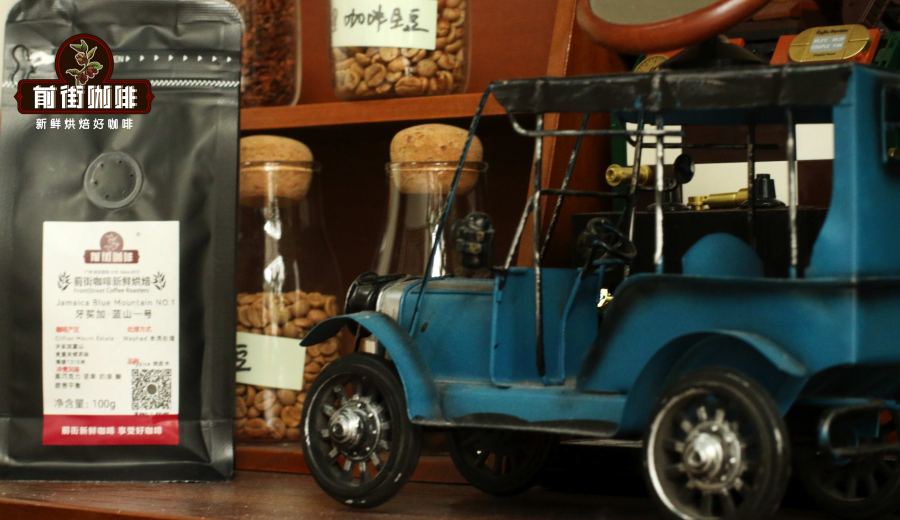
Introduction:Faced with the dazzling array of Chinese and English labels on coffee bean packaging, many consumers often don’t know where to start reading and end up making their selection based purely on intuition—only to be disappointed by the results. This article takes a practical approach, diving deep into the key information commonly found on packaging: country, region, variety, altitude, processing method, grading, roast level, and roast date. Using actual coffee bean examples, it will guide you step by step to understand the meaning behind each label, as well as the common patterns in green bean grading. With this knowledge, your next coffee bean purchase will be more precise, helping you enjoy coffee that truly suits your taste.
Have you ever stood in a convenience store or on an online platform, staring blankly at the mixed Chinese and English descriptions on coffee bean packaging, unsure of the difference between “washed Yirgacheffe” and “natural Brazil”? Or maybe you’ve been baffled by terms like “G1,” “AA,” or “medium-light roast,” and ended up picking a random bag—only to find the brewed coffee either too sour or too bitter, nowhere near what you were hoping for?
Don’t worry—this article will help you make sense of all the most important information on coffee bean packaging, from origin, variety, and processing method, to roast level and expiration date. Each one is closely tied to the final flavor of the coffee. We’ll use a commonly available washed Yirgacheffe as an example to break down the meanings behind the packaging labels, so you’ll never have to rely on luck when choosing beans again.
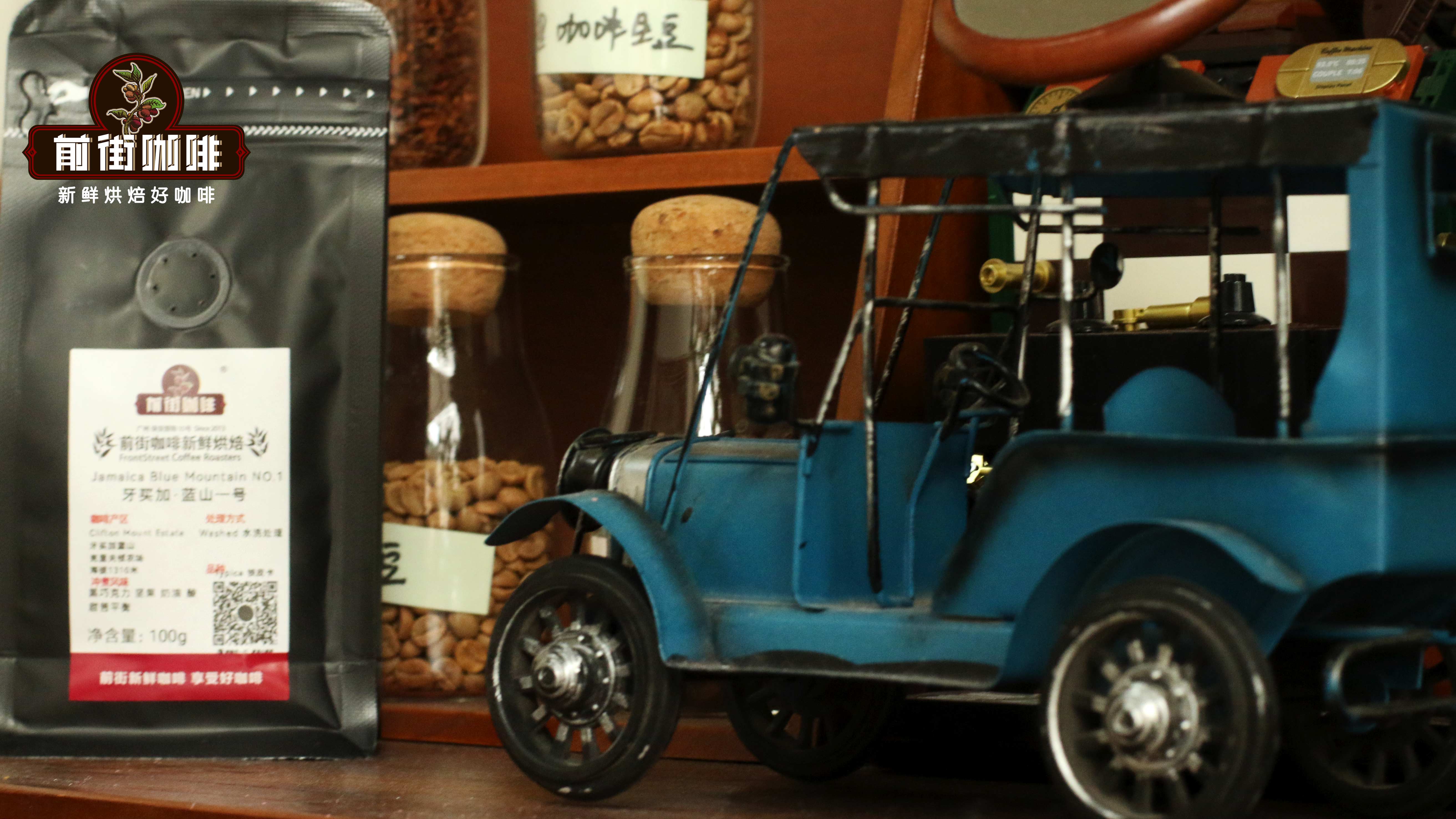
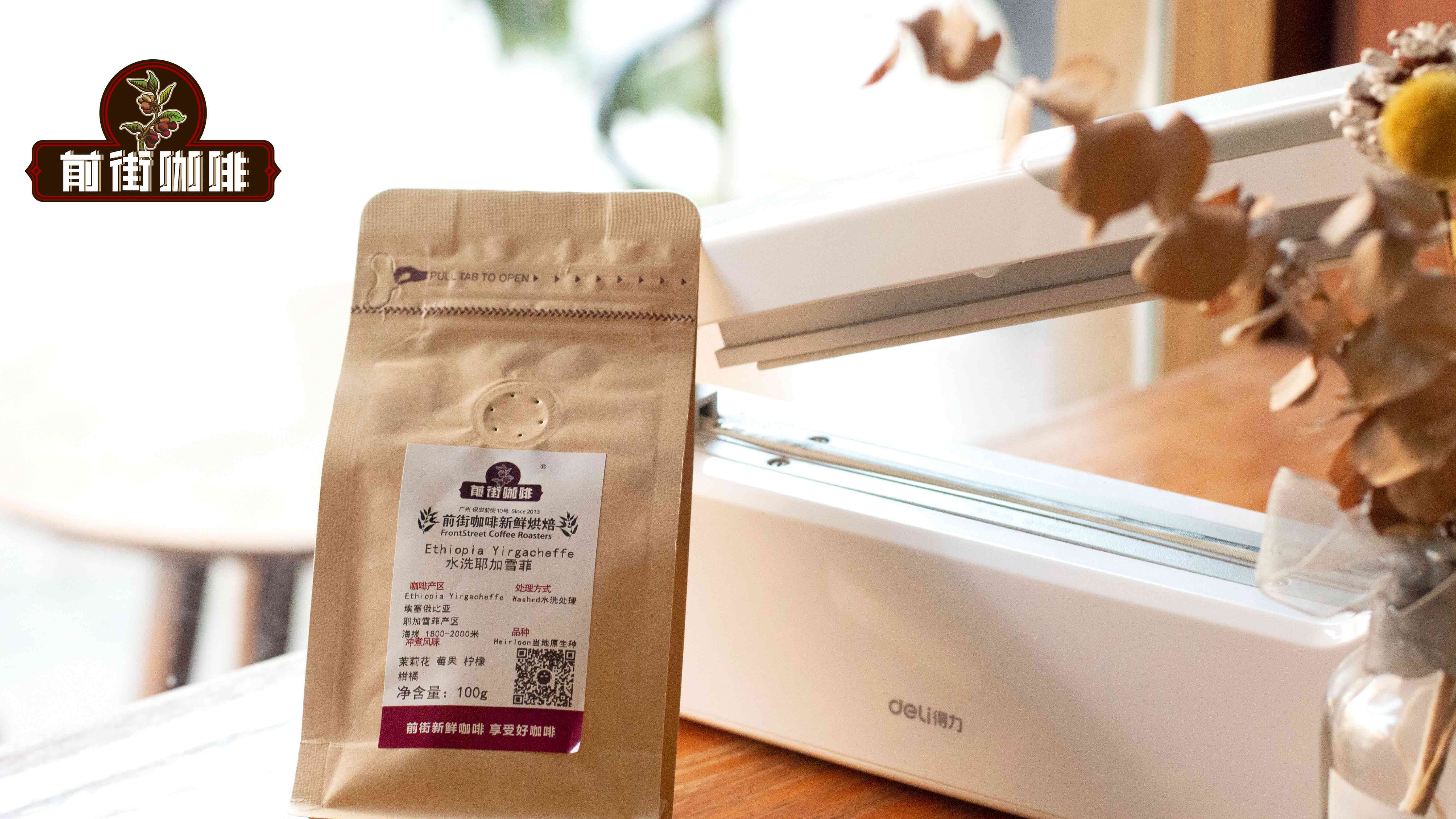
Generally speaking, coffee bean packaging will include at least the following basic information: country of origin, region, variety, altitude, processing method, and sometimes a flavor description. Take a washed Yirgacheffe from Ethiopia as an example—you can clearly see it states the country as Ethiopia, the region as Yirgacheffe, the variety as the local common Heirloom, grown at an altitude of over 2000 meters, and processed using the washed method. Additionally, the packaging may also briefly describe the flavors of the beans, such as a bright citrus acidity and an black tea-like finish.
For beginner coffee enthusiasts, this information already provides plenty of clues. For instance, the Yirgacheffe region is quite famous in the coffee world, known for its bright acidity and floral-fruity profile. The washed processing method usually results in a cleaner, crisper taste with fewer off-flavors compared to natural processing, making it suitable for those who prefer a balanced sweet-and-sour cup. Even if the beans come from a cooperative rather than a well-known large estate, as long as they’re processed properly, they can still showcase the typical flavor characteristics of the region.
However, for those who have been drinking specialty coffee for a while, you might find that this basic information isn’t comprehensive enough. You might wonder: What’s the grade of these beans? Is it G1 or G3? Is the roast level medium-light or medium-dark? More importantly, when were these beans roasted? This information actually plays a crucial role in assessing the quality and freshness of the beans.
First, let’s talk about green bean grading, which is especially important when purchasing high-end specialty beans. Different producing countries have different grading standards. For example, washed beans from Ethiopia are commonly graded G1 to G2—the smaller the number, the lower the proportion of defective beans and the higher the quality of the beans. Natural beans, on the other hand, might be graded G3 to G5. But be aware that in countries like Kenya, grading is based on bean size rather than defect rate—for instance, AA-grade beans are larger than AB-grade, but that doesn’t necessarily mean AA beans have better flavor. Sometimes AB-grade beans are even more popular due to their better cost-performance ratio.
When it comes to grading types, they can generally be categorized into three common models: the first is screening based on the physical size of the beans; the second is based on the altitude at which the beans are grown—generally, the higher the altitude, the denser the beans and the greater their flavor potential; the third is based on the ratio of defective beans, where fewer defects mean a higher grade. These grading logics affect the consistency of the quality of the beans you buy. It’s recommended that, within your budget, you prioritize G1, AA, or beans from high-altitude regions, as their flavors are usually more reliable.
Next, let’s look at roast level, another piece of information commonly found on packaging but often overlooked. Roast levels can generally be divided into light roast, medium-light roast, medium roast, medium-dark roast, and dark roast. Each stage affects the final balance of acidity, sweetness, and bitterness in the coffee. Take Yirgacheffe as an example—if a medium-light roast is used, it retains more fruity acidity and floral notes, such as pronounced citrus acidity and a gentle black tea tone. But if it’s over-roasted to a medium-dark level, the acidity is largely destroyed, resulting instead in caramelized and charred flavors, losing the lively character it should have. Therefore, if you prefer a fresh, sweet-and-sour taste, it’s recommended to choose Yirgacheffe labeled as medium-light roast, rather than dark roast versions.
Finally, never overlook the roast date—this is key information. Unlike wine, coffee does not get better with age—in fact, freshness directly impacts flavor. Most specialty coffee experts recommend that the peak flavor period is around 2–4 weeks after the roast date. After a month, the aromatic compounds inside the beans gradually dissipate, and the brewed coffee may turn out bland or even develop paper-like or rancid flavors. Therefore, when shopping, if the packaging clearly shows the roast date, it helps you determine whether the beans are within their optimal flavor window. Ideally, try to choose beans that were roasted 7–21 days prior to purchase to ensure their flavors are at their peak. In addition, many professional roasters also indicate a “recommended grind and brew-by period,” which is another important reference for assessing freshness.
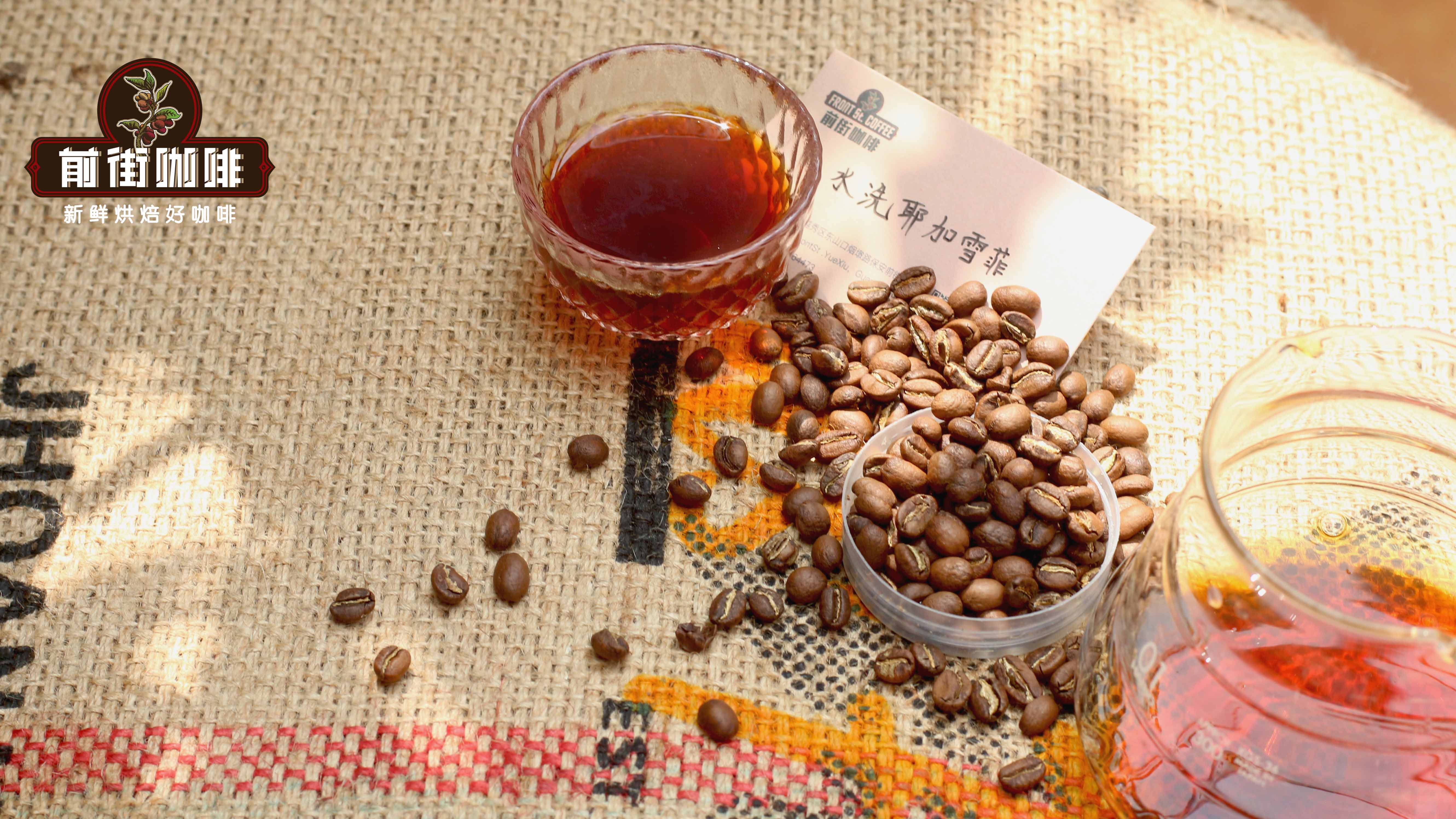
In summary, understanding every piece of information on coffee bean packaging can give you more direction when making your selection. Not only can you avoid beans that don’t suit your taste, but you can also choose the coffee that best matches your brewing method and flavor preferences based on origin characteristics, green bean grade, roast level, and freshness. These seemingly complex labels—from regional traits to freshness—all hold the key to helping you truly understand and enjoy your coffee. Next time before buying beans, take a few extra seconds to carefully read the packaging details. You’ll find that choosing the right beans really makes a difference in the cup.
The above content is compiled by CoffeeHunters, a coffee news website.


