







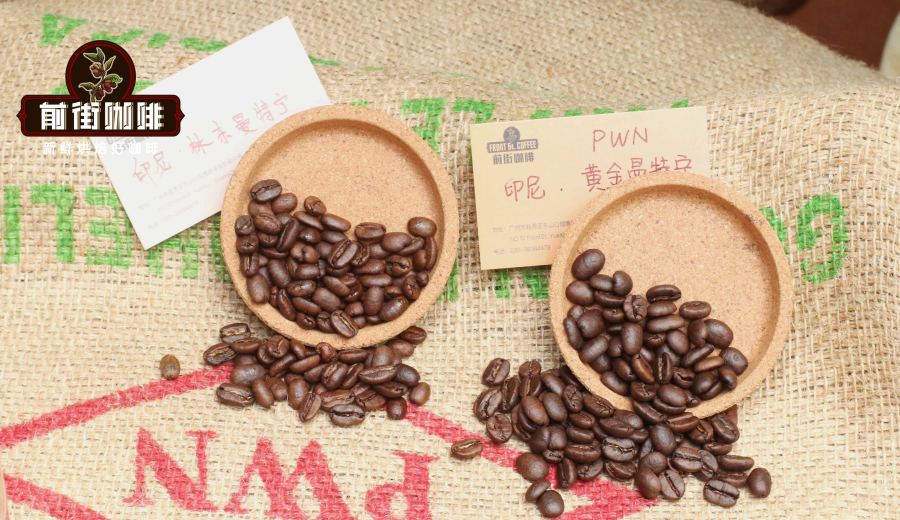
Introduction:Mandheling coffee is renowned for its intense smoky aroma and rich body, making it a favorite among coffee enthusiasts for evening enjoyment. With the rise of specialty coffee trends, high-grade Mandheling such as PWN Golden Mandheling, through rigorous selection and refined processing, showcases more diverse and clean flavor layers. This article delves into its regional background, premium selection process, wet-hulled processing characteristics, as well as professionally recommended Kono filters and three-stage pour over parameters to help you fully experience the layers and richness of this classic bean.
Mandheling coffee has always held a unique place in the world of coffee with its distinctive flavor profile. Its tobacco, charcoal, and earthy deep tones, along with a long aftertaste, often evoke the ambiance of an old tavern late at night. With the popularization of specialty coffee concepts, Mandheling is no longer just a representative of bold flavors but also exhibits a diverse and delicate side. Varieties such as Lin Dong Mandheling, PWN Golden Mandheling, aged Mandheling, and Tiger Mandheling launched by certain brands are all notable representatives in the specialty grade, among which PWN Golden Mandheling best embodies the potential and refinement of this bean.
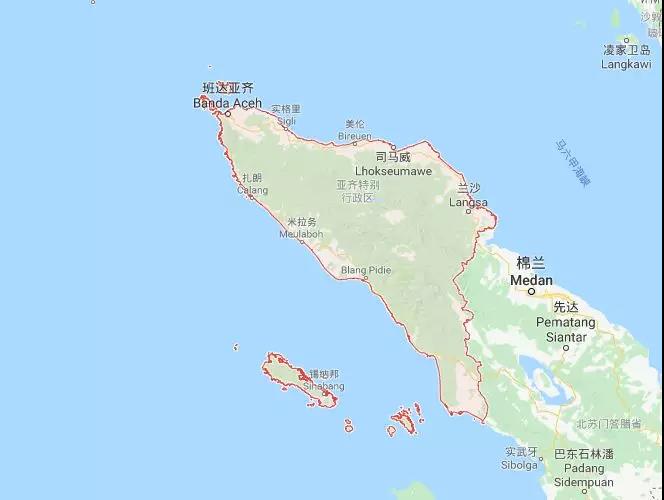
PWN (Pawani Coffee Company) is a well-known processor and exporter in Indonesia’s coffee industry and the trademark holder of the name “Golden Mandheling.” The company has extremely strict standards for coffee bean selection, conducting three rounds of manual sorting on Mandheling green beans sourced from surrounding regions, plus one mechanical screening, ensuring each bean meets high standards in size, appearance, and defect rate. As a result, PWN Golden Mandheling not only has a neat appearance and uniform color, but also performs exceptionally clean and bright after roasting, with a clearer flavor profile.
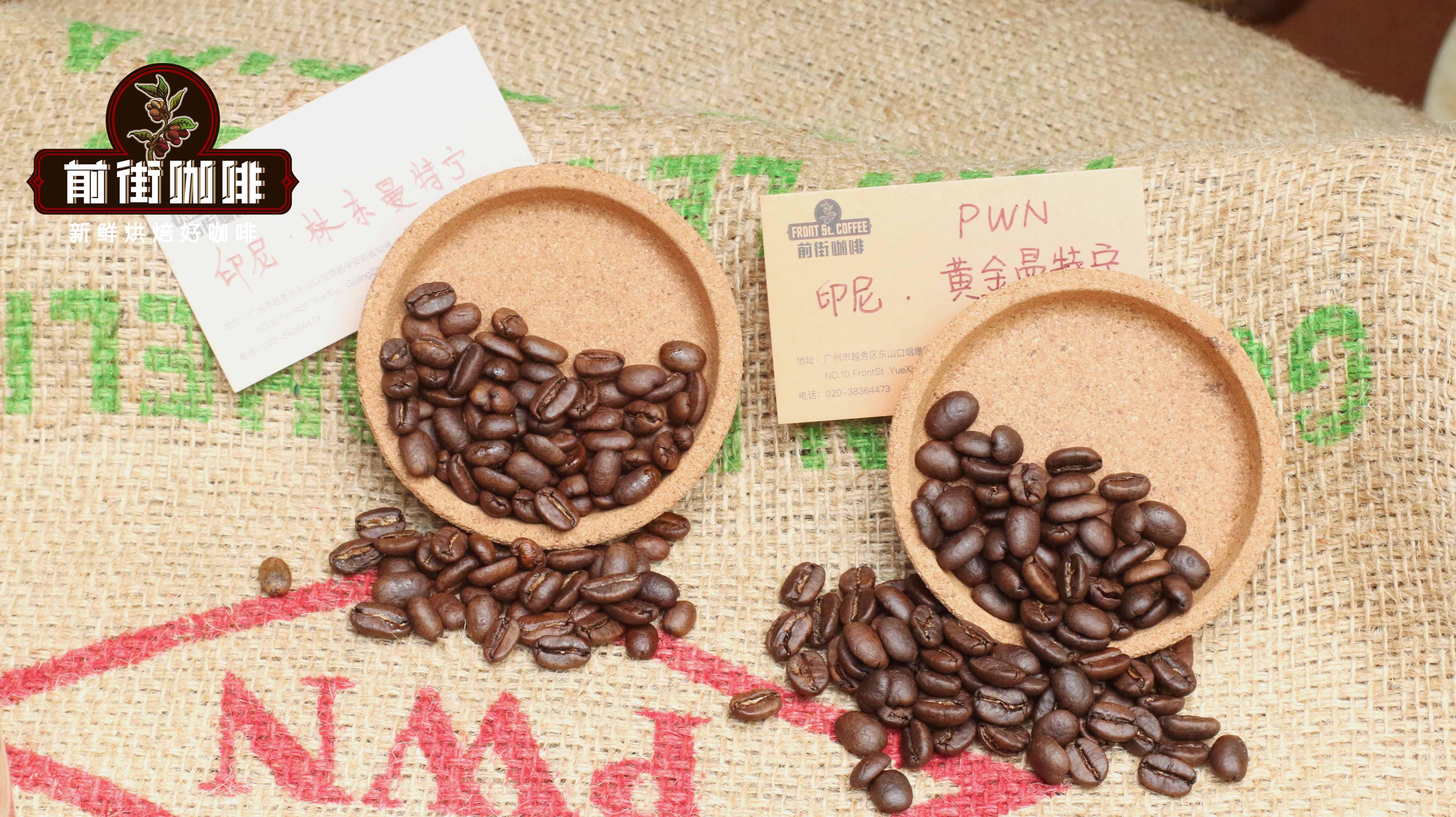
In the market, some merchants often sell large Indonesian beans as Golden Mandheling, leading many consumers to mistakenly believe this bean is abundant and easily obtainable. In reality, genuine PWN Golden Mandheling, due to its multiple rounds of selection, has limited production, and only those that have passed PWN’s strict certification—with the PWN logo and certificate printed both inside and outside the jute sack—can be considered authentic. The PWN Golden Mandheling used by a certain brand consists of green beans all above eighteen mesh size, with flat bean shapes and a dark green color, classified as G1 top grade, with an extremely low defect rate—no more than 3 defective beans in a 300g sample.
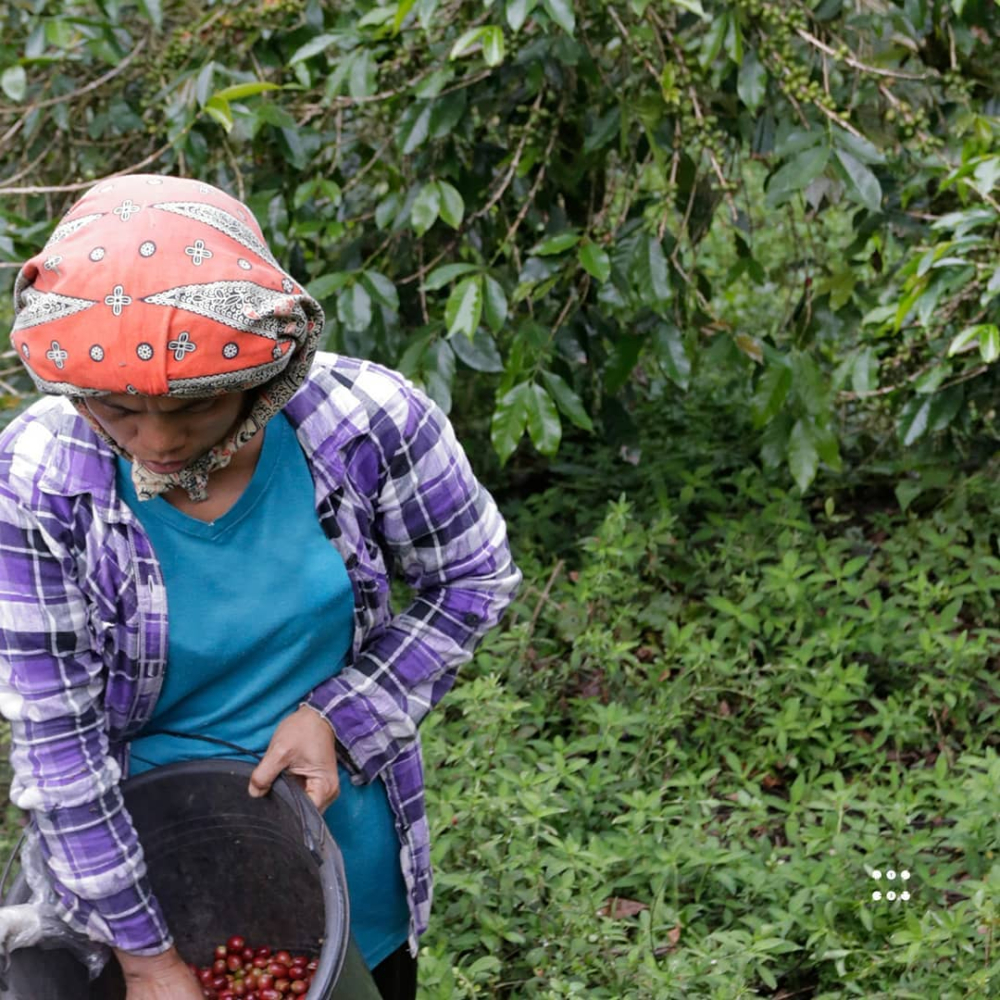
In terms of processing method, PWN Golden Mandheling adopts Indonesia’s unique wet-hulled process. This method originated from local economic conditions and climate factors, where the widespread use of washed processing was not feasible, leading to the development of first fermenting via water washing, then briefly sun-drying with the parchment layer still on (about 2–3 days, with moisture content controlled at 20–24%), followed by early removal of the parchment layer. While this approach can effectively shorten the processing time, it also tends to increase the defect rate. However, PWN Golden Mandheling, through strict selection, successfully overcomes this challenge, delivering extremely high consistency and purity.
For brewing recommendations, using a Kono filter along with a three-stage pour over technique can fully bring out the richness and layered profile of this medium-dark roasted bean. Specific parameters are as follows: water temperature set to88°C, recommended coffee dosage15 grams, coffee-to-water ratio of1:15, with a medium-fine grind size, approximately equivalent to a 20-mesh Chinese standard sieve passing rate of70-75%. The Kono filter, with its rib design concentrated at the bottom, allows the filter paper to adhere tightly, effectively slowing down the filtration speed and extending the water-coffee contact time, thereby enhancing extraction efficiency and body, making it very suitable for medium-dark roasted Mandheling types.
During actual operation, a segmented extraction method can be adopted—firstly performing a 30-second bloom with30 grams of water, then pouring in small circles, and performing the first segmentation when the total water volume reaches125 grams, waiting until the water level drops and is about to expose the coffee bed, then continuing to pour up to a total of225 grams, after which pouring stops, and the filter is removed once the water level drops again to near exposing the coffee layer. The overall extraction time is controlled between2 minutes 05 seconds and 2 minutes 15 seconds, which helps balance acidity and body while avoiding over-extraction or unwanted flavors.
The final flavor profile includes distinct spicy and herbal notes, with multi-layered depth. The taste is rich yet clean, with excellent balance, interwoven with intense nutty and brown sugar aromas, accompanied by a soft chocolate aftertaste and a long-lasting finish—making it a perfect choice for late-night indulgence or pairing with a good book.
The above content is compiled by CoffeeHunters, a coffee news website.


