








Introduction:Why do freshly bought espresso beans often taste subpar? It’s actually closely related to the degassing and resting process after roasting. This article delves into the principles of coffee bean resting, explains recommended resting times for different roast levels, and teaches you the correct steps for blooming your beans—so you can master the optimal extraction window and elevate the overall flavor performance of your coffee.
Many coffee enthusiasts have had this experience: as soon as they get freshly roasted espresso beans, they can’t wait to brew a cup, only to find the flavor is not concentrated enough, or even comes with noticeable off-notes or harshness. Yet after letting the beans sit for a few days, the coffee suddenly becomes surprisingly smooth and enjoyable. This is actually closely tied to the “degassing” process that occurs after roasting.
During the roasting process, high temperatures cause coffee beans to produce a large amount of carbon dioxide. This gas needs some time to gradually dissipate. If you extract the coffee before the gas has fully escaped, it can interfere with the interaction between water and coffee grounds, and easily bring out impure flavors. Especially when using an espresso machine for high-pressure extraction, too much gas can affect crema development and extraction uniformity, resulting in poor cup quality.
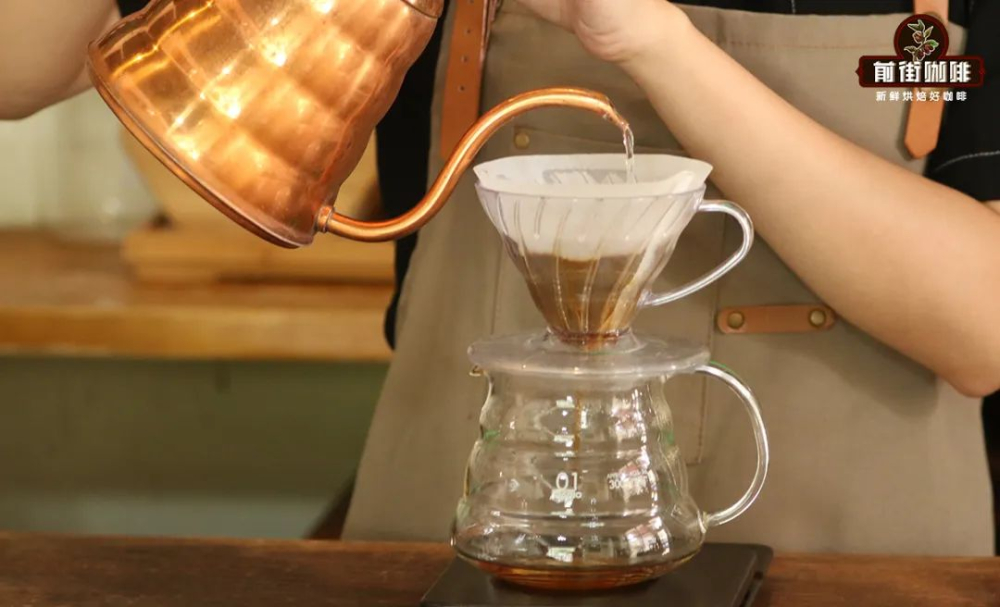
The so-called “resting” refers to the process where coffee beans naturally release carbon dioxide in a suitable environment, while allowing internal flavor compounds to stabilize and integrate. Generally speaking, medium to light roasted beans are recommended to rest for 4 to 7 days, medium to dark roasted beans around 7 to 10 days, and common espresso beans—which are often medium to dark or dark roasted—are advised to rest for at least 10 days or moreto achieve the best extraction performance and flavor balance.
The length of the resting period is directly related to roast level. The darker the roast, the longer the beans are exposed to high temperatures, and the more carbon dioxide builds up inside, hence requiring a longer time for degassing. Especially for dark roasted beans that go through the second crack stage, expansion is more pronounced, and the degassing period may be even longer. You might notice that newly bought coffee bags are slightly puffed up—that’s the one-way degassing valve at work, releasing excess gases to prevent the bag from bursting.
During the resting period, no special treatment is actually needed. It’s recommended to keep unopened coffee beans in their original packaging and store them in acool, dry, and darkplace. The one-way valve will naturally regulate gas release. Never put the beans in the fridge or transfer them to an airtight container after opening—the fridge won’t help with resting, and both temperature fluctuations and excessive oxygen exposure can accelerate flavor loss.
Also, avoid deliberately squeezing the coffee packaging. Although the aroma released when you squeeze it is intoxicating, those volatile compounds are actually precious aromatic substances. Excessive squeezing can also alter the pressure inside the bag, causing the beans to degas faster, which is counterproductive to stable resting.

The so-called “blooming” refers to the process of allowing properly rested coffee beans to moderately interact with air before use, further softening the flavors and enhancing overall performance. For medium to dark and dark roasted espresso beans, it’s recommended to let the beans sit in contact with air for3 to 4 hoursafter opening the bag. This helps dissipate residual off-notes, making the extraction smoother and more rounded.
When blooming, it’s suggested to place the coffee beans in acool, dry, and odor-freeenvironment, and gently stir or turn the beans every half hour or so to ensure each bean gets equal exposure to air. This prevents beans at the bottom from being affected by prolonged stacking, which could hinder the blooming effect. After blooming, it’s best to use the beans as soon as possible to avoid excessive air exposure leading to aroma loss.
If you simply can’t wait and want to try “not-yet-fully-rested” coffee beans ahead of time, it’s not entirely out of the question. You can adjust your extraction steps to minimize negative flavor impacts. For example, when performing espresso extraction, you canextend the pre-infusion timefrom the usual 30 seconds to about 40 seconds, giving the carbon dioxide in the coffee bed more time to release, which helps make subsequent extraction more stable.
Another practical tip is to let the ground coffee sit in the brewing device for about 1 to 2 minutesafter grinding, allowing the coffee particles more time to interact with air and release residual gases. However, be mindful that ground coffee has a significantly increased surface area, accelerating the evaporation of flavor compounds—so it’s best to brew soon after grinding to preserve the final flavor profile.
In summary, from resting to blooming, and then to actual extraction, every step influences the final flavor of your espresso. Understanding the degassing characteristics of coffee beans and appropriate resting times can help you enjoy the full depth and nuance of coffee within its prime window. Whether you’re just starting out or already have some experience, mastering these basic principles will allow you to brew professional-quality coffee right at home.

The above content is compiled by CoffeeHunters, a coffee news website.


