








Introduction:Why does some black coffee taste only of sourness and bitterness, while others naturally exude sweetness? This article delves into the sources of coffee’s sweetness, exploring everything from the sugar compounds in green beans, the chemical changes during roasting, to how orthonasal and retronasal olfaction together shape our perception of sweetness. In addition to debunking myths, it also provides methods for training your ability to discern sweetness, and recommends several pour over beans that are low in acidity, not bitter, and exhibit distinct sweet aromas—helping you more easily enjoy the sweet layers in coffee.
Have you ever had this experience: you order a cup of black coffee that’s advertised as having a “high sweetness level,” but upon drinking it, you only taste obvious sourness or bitterness, with no sweetness whatsoever? Where exactly does the sweetness in coffee come from? Many people assume it comes from sugar, but the truth is not so simple. This article will start with the composition of green coffee beans and step by step analyze how roasting affects sweetness, while also explaining why our sense of smell—especially orthonasal and retronasal olfaction—plays a key role in perceiving sweetness. At the same time, we’ll share a few tips for training your ability to identify sweetness, as well as recommend several coffee beans that reveal captivating sweet aromas after brewing, helping you better appreciate the sweet dimensions in coffee.

Once, a customer at a coffee shop sipped their coffee and asked in surprise, “Boss, is this cup not clean? Why is the coffee so sweet, as if there’s sugar residue left in it!” It was both laughable and understandable. In fact, it was precisely because the sweet aroma emitted by the coffee was so pronounced that the sense of smell mistook it for residual sugar. Many beginners to coffee have similar troubles: they hear that a certain bean is “high in sweetness,” but when they try it, it turns out to be sour and bitter, with no sweetness to be found. What’s the issue? Let’s start with the most basic components.
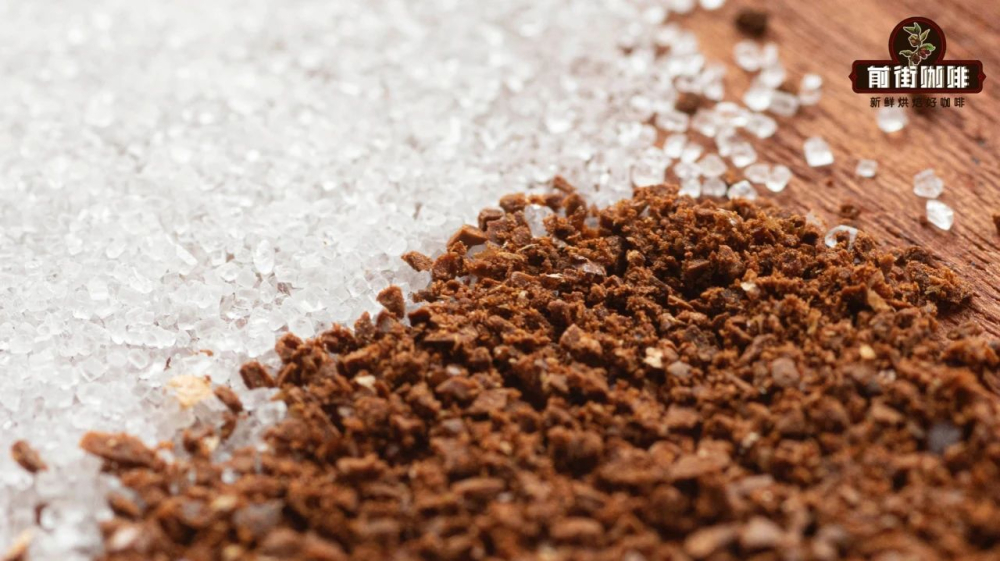
When it comes to sweetness, people usually immediately think of sugar. Indeed, green coffee beans contain quite a lot of sugar compounds, including monosaccharides, disaccharides, and polysaccharides, which make up about 50% of the total weight of the green beans. But not all sugars are sweet, nor are all of them water-soluble. For example, polysaccharides are the most abundant type in green beans, but they are actually the main components of cellulose—the very coffee grounds we often talk about. They are not only not sweet, but also completely insoluble in water. As for monosaccharides, such as glucose and fructose, they are not only water-soluble but also distinctly sweet; disaccharides such as sucrose and maltose are also water-soluble compounds with sweet flavors.
However, these sugars are not the main source of the sweetness we perceive when drinking coffee. Because during the roasting process, a series of complex chemical reactions occur inside the green beans, including Maillard reactions, caramelization, and others. These reactions break down and reorganize the original sugar compounds into a variety of flavor substances. By the time the beans are ready, the sugars that can be directly perceived by the taste buds have diminished significantly, and even if trace amounts remain, they are often too faint to detect. Therefore, taste buds alone are not enough to explain the sweetness we feel in coffee.
 So how do we perceive sweetness in coffee? The key lies in our sense of smell. Human olfaction can be divided into two types: orthonasal and retronasal. Orthonasal olfaction is when we smell the dry or wet aroma by directly inhaling aroma molecules through the nose; whereas retronasal olfaction occurs when, while swallowing coffee, the aroma travels from the back of the throat into the nasal cavity, allowing us to perceive another layer of aroma. These two types of olfaction work together to combine scent with taste, leading the brain to form a comprehensive flavor perception.
When we take a sip of coffee, our taste buds perceive basic flavors such as sourness, bitterness, and sweetness, while at the same time, the aroma is transmitted to the nasal cavity via retronasal olfaction. The brain then associates these signals with specific food flavors. If those aromas remind us of honey, caramel, fruit candy, or even toffee, we naturally perceive that cup of coffee as “sweet.” Therefore, the “sweetness” of coffee is not just a reaction of taste—it is also the result of olfaction and memory working together.
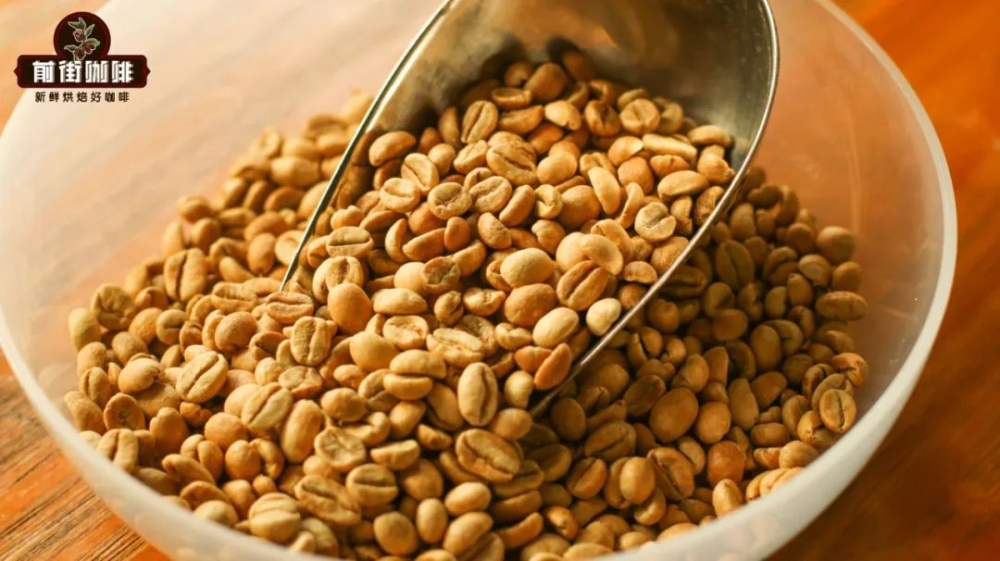
For example, some coffee beans emit distinct sweet aromas after roasting, such as strawberry, blackberry, caramel, or toffee—these are typical aromas that evoke associations with sweetness. Certain well-known beans, due to their prominent sweet aroma characteristics, have become representatives in the eyes of many coffee enthusiasts for their outstanding sweetness performance. In addition, some carefully roasted coffee beans also display aromas akin to brown sugar or caramel, further enhancing the overall sweet experience.
So, how can the average person train their sensitivity to the sweetness in coffee? First, “drinking more” is the foundation, but just drinking isn’t enough—you also need some techniques to assist. It’s recommended that before tasting, you carefully smell the dry and wet aromas of the coffee. This is when the aromas are most intense, helping you form your first impression of the coffee. Then, after sipping or swallowing, close your mouth and exhale through your nose to engage your retronasal olfaction. This helps you capture more nuanced aromas. If the orthonasal and retronasal aromas align and remind you of sweet foods, then the sweetness becomes easier to identify.
Additionally, tasting with friends is an effective way to enhance your perceptual abilities. Everyone has different sensitivities to aromas—sometimes a sweet aroma you didn’t notice might be clearly described by someone nearby. Through sharing and discussion, you can open up your senses and more quickly grasp the sources of sweetness. Training your olfactory senses and flavor memory is like learning a language: it requires continuous accumulation and practice to gradually become more acute.
The above content is compiled by CoffeeHunters, a coffee news website.


