







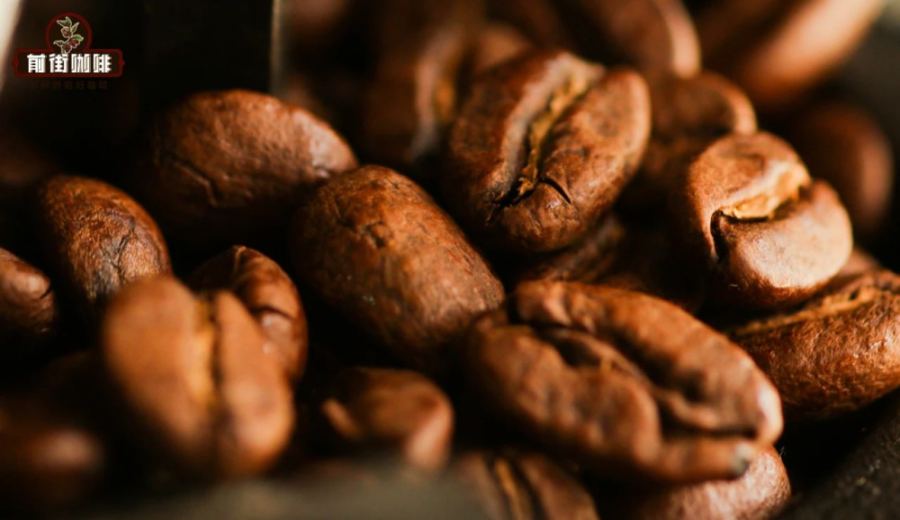
Introduction:A high-quality espresso shot hinges on precise extraction control and bean quality. This article delves into the ideal flavor characteristics of espresso—including sweetness, balance, and complexity—while using real-world examples to illustrate the differences between under-extracted, over-extracted, and perfectly extracted shots. Additionally, it breaks down the common issue of burnt flavors from five perspectives: extraction time, water temperature, bean condition, tamping technique, and resting period, helping you identify the root cause and improve extraction quality.
Espresso extraction is a detail-oriented technical skill. Due to the dense structure of coffee beans, only fine grinding and high-pressure extraction can release a rich array of flavor compounds in a short time. However, each coffee bean has a different roast level, requiring variations in grind size, coffee-to-water ratio, and extraction time. Improper parameter settings can easily lead to uneven extraction, resulting in sharp acidity, excessive bitterness, or even the dreaded burnt taste.
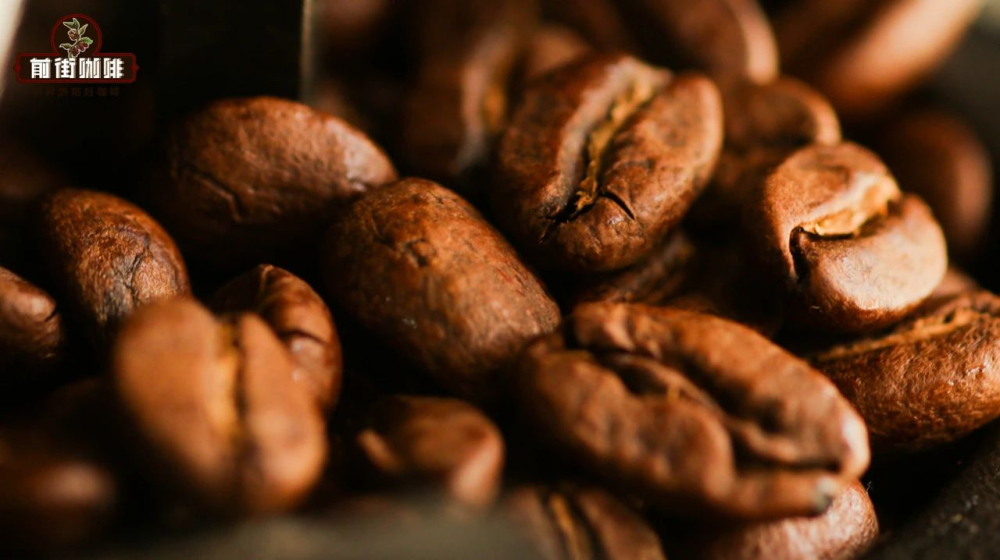
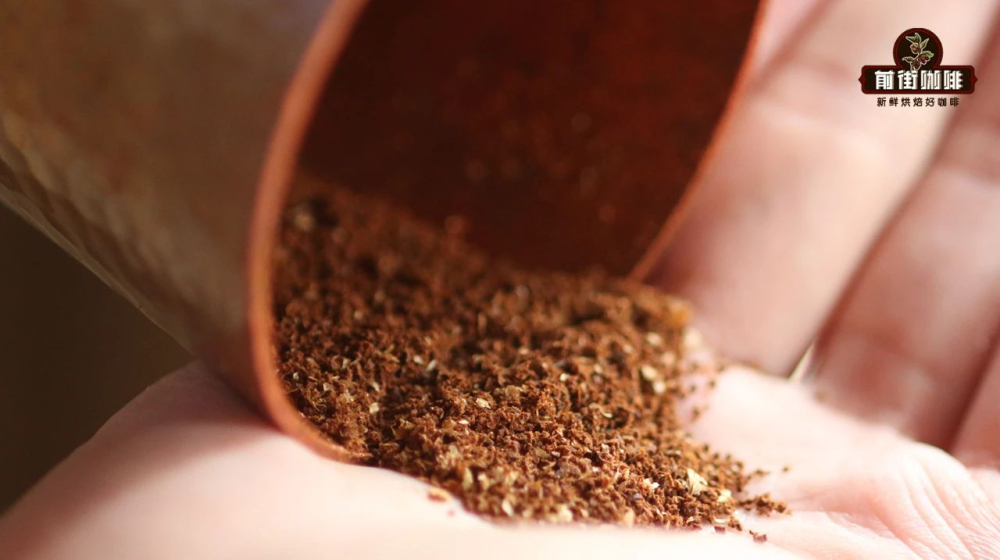
Before diving into extraction, let’s first understand the basic principles: Espresso is made by forcing high-pressure water through an extremely finely ground coffee puck, extracting a concentrated coffee liquid in a short time (usually 20 to 30 seconds). While the process may seem simple, every step affects the final flavor. From the bean’s roast level, grind fineness, and dose, to water temperature and pressure, any variable can drastically alter the outcome.
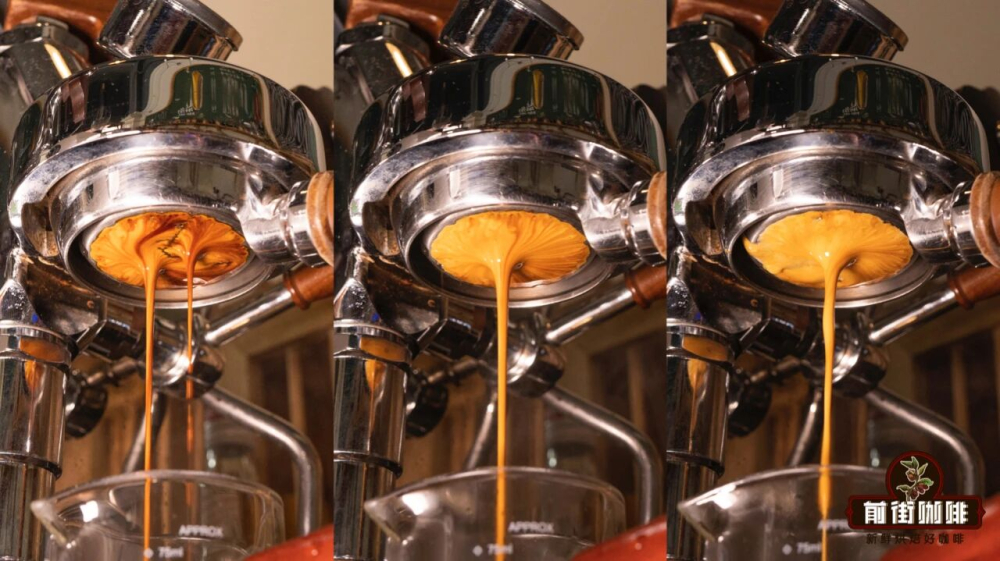
How do you determine if an espresso shot has reached its ideal state? Generally, we can categorize extraction results into three types: under-extracted, over-extracted, and ideal extraction. By observing the flavor profile, we can deduce what went wrong during extraction and adjust parameters to approach the perfect shot.
Under-extraction usually occurs when the grind is too coarse or the extraction time is too short, preventing sufficient soluble compounds from being released. Such espresso often exhibits sharp acidity, a harsh mouthfeel, fleeting flavors, and an accompanying burnt sensation, with a quickly fading aftertaste and an overall lack of smoothness. In this case, the sweetness and body of the coffee are also less pronounced, making it hard to achieve complexity.
Conversely, when the extraction time is too long, the grind is too fine, or the water temperature is too high, over-extraction can occur. This type of espresso often leaves a bitter, unbearable taste, especially with a dry, heavy sensation at the back of the tongue. Although the flavors linger, they are mostly unpleasant defects, lacking freshness and complexity, resulting in a dull and unbalanced overall impression.
So, what constitutes ideal extraction? Simply put, it’s when the three basic tastes—acidity, sweetness, and bitterness—are balanced, while also showcasing rich flavor layers and clarity. The ideal espresso should have a solid body, moderate sweetness, and a lingering aftertaste. Not only should it be smooth to drink, but it should also clearly highlight the coffee’s inherent characteristics, such as nutty, chocolatey, or caramel notes.
Sweetness is a key focus for many coffee enthusiasts. A good espresso, even without sugar, should carry natural sweetness, typically achieved through proper roasting and precise extraction. This sweetness isn’t just simple sugary sweetness but rather a balanced flavor that allows acidity and bitterness to complement each other, creating a harmonious taste experience.
Balance refers to flavors being evenly distributed across the palate, rather than confined to one area. High-quality espresso should allow the tip, sides, and back of the tongue to perceive different yet harmonious flavor layers. Additionally, flavor complexity is another crucial metric for evaluating a good espresso. From the initial flavors upon the first sip, to the mid-palate development, and the lingering finish, each stage should offer subtle changes rather than monotony.
Clarity is an aspect increasingly emphasized in specialty coffee. A clear espresso should deliver flavors as described—such as a coffee with creamy, sweet notes truly showcasing that milky sweetness and richness, rather than a blurred or muddled impression.
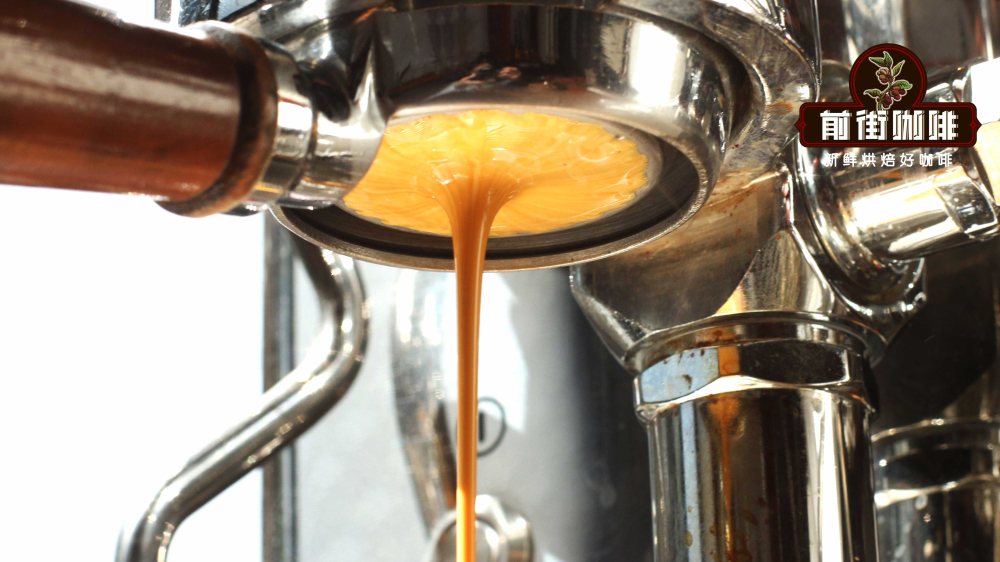
Now that we’ve understood the characteristics of ideal extraction, let’s explore how the common burnt flavors in espresso arise and how to avoid them.
First is extraction time. If the espresso extraction takes too long—such as exceeding 30 seconds—the prolonged contact between hot water and coffee grounds can release excessive impurities and caramelized substances, leading to a burnt, bitter taste. It’s generally recommended to keep double espresso extraction time between 20 to 30 seconds. If it exceeds this range, consider adjusting to a coarser grind to shorten extraction time and reduce burnt flavors.
Water temperature settings are equally critical. Excessively high temperatures accelerate the release of oils and impurities from the coffee, not only increasing bitterness but also potentially bringing out burnt notes. The recommended water temperature for espresso extraction is between 90 to 96°C, with slight adjustments based on the bean’s roast level. If you suspect temperature issues, check the machine’s temperature control settings or try slightly lowering the water temperature to observe flavor changes.

The quality and roast level of the coffee beans themselves are also significant factors in burnt flavors. If burnt tastes persist even after changing beans, it may be due to improper storage or roasting flaws. Especially with dark roasts, the longer roasting time and higher temperatures make them more prone to releasing burnt, carbonized flavors. Therefore, it’s advisable to use medium-roast beans for espresso—they retain moderate caramelization while being less likely to produce excessive burnt notes.
Tamping technique directly affects extraction uniformity. Tamping too forcefully can result in overly dense coffee pucks, preventing even water penetration and causing channeling—where water finds easy paths through the puck, leading to over-extraction in certain areas, producing bitterness and burnt flavors. It’s recommended to tamp with consistent, even pressure—around 30 pounds—to ensure the puck is flat and compact, but not overly compressed.
Lastly, coffee bean freshness is also a major factor. Beans that are too fresh retain more carbon dioxide post-roasting. Extracting them without an adequate resting period can disrupt water flow and extraction, leading to off-flavors or burnt sensations. It’s generally recommended to let roasted beans rest for 3 to 7 days, allowing the carbon dioxide to dissipate sufficiently before extraction, ensuring a more stable and clean flavor profile.
The above content is compiled by CoffeeHunters, a coffee news website.


