







Introduction:Many beginners in the world of coffee often find themselves confused about the differences between espresso, Americano, and black coffee. Although all three can be categorized as black coffee, they each have distinct characteristics in terms of preparation, flavor, and cultural background. This article will explain in detail the origins of their differences, delve into the authentic extraction conditions and reference data for espresso, and provide practical ratio suggestions for both iced and hot Americanos to help you master these classic coffee beverages from theory to practice.
For many first-time coffee drinkers, the terms "espresso" and "Americano" on restaurant or café menus can be quite puzzling. Although both are classified as black coffee, their brewing methods, flavor profiles, and cultural contexts actually differ significantly. This article will start with basic concepts to help you understand the distinctions among these three common coffee drinks, while also analyzing the authentic extraction parameters and practical procedures for espresso. Additionally, it offers standard recipes for both iced and hot Americanos, so you can not only understand the principles but also brew a well-balanced cup yourself.
For consumers who don’t often visit cafés, the simultaneous presence of "espresso" and "Americano" on the menu can be confusing. Although both belong to the black coffee category, many may struggle to articulate their differences. In the following sections, we’ll break down these questions step by step to help you better understand their unique features and relationships.
The Origin and Preparation of Americano Coffee
The birth of Americano coffee is actually closely related to American soldiers during World War II. Initially, American drip coffee makers were very common in American households, and the coffee brewed by these machines generally had a light, low-bodied flavor with a noticeable wateriness. However, when these officers traveled to Europe and tried espresso for the first time, its intense taste and strong stimulation were vastly different from the American coffee they were used to.
To mellow the strong flavor of espresso, they chose to dilute it with hot water. This reduced the intensity of the coffee and made its flavor more similar to the drip coffee they were familiar with. Since this preparation method was uncommon in Europe at the time, it came to be called "Americano." Interestingly, the name carries a slight hint of mockery, with the French even jokingly referring to it as "sock coffee," implying that its taste was as unpleasant as a sock.
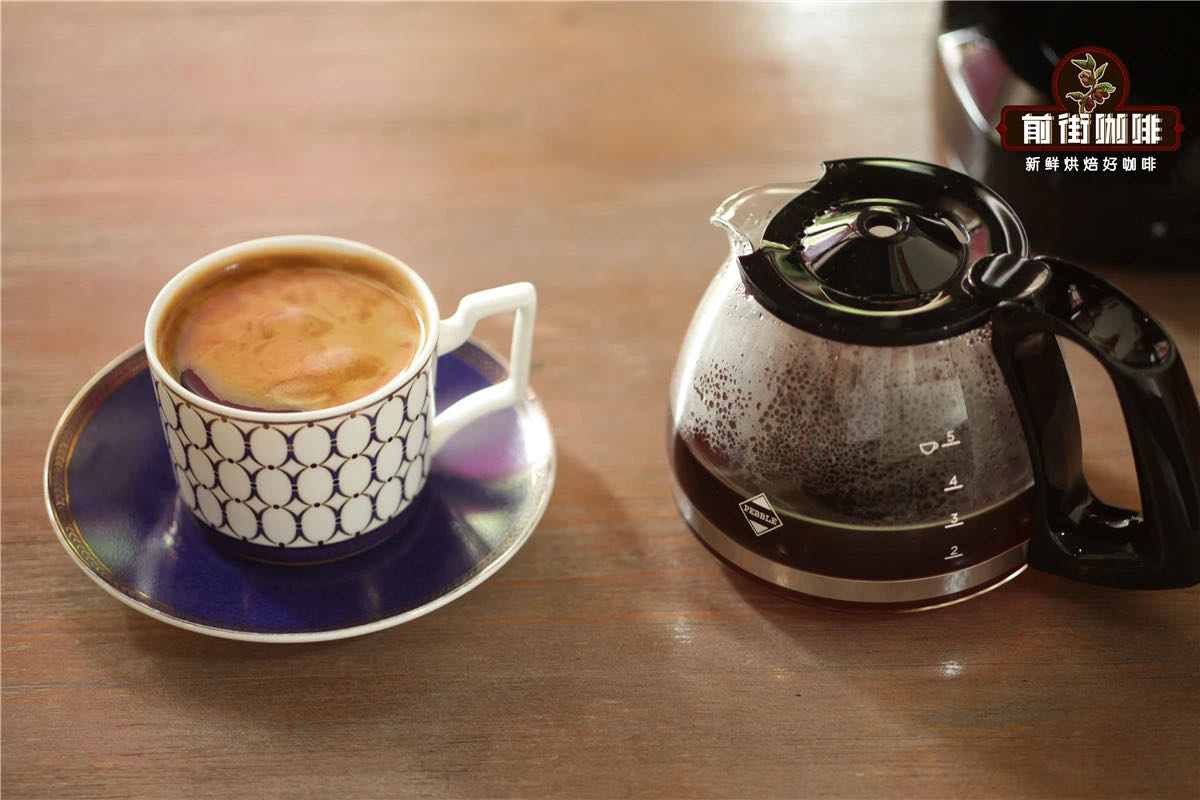
There are two ways to prepare Americano coffee: one is by directly brewing it using an American drip coffee machine, and the other is by mixing a shot of espresso with hot or iced water in a certain ratio. Both methods have their advocates and can showcase different layers of flavor.
What Is True Espresso?
True espresso must be made using a professional espresso machine capable of high-pressure extraction. This brewing method emphasizes precise coordination of pressure, time, and coffee-to-water ratio to produce a rich and layered cup of coffee.
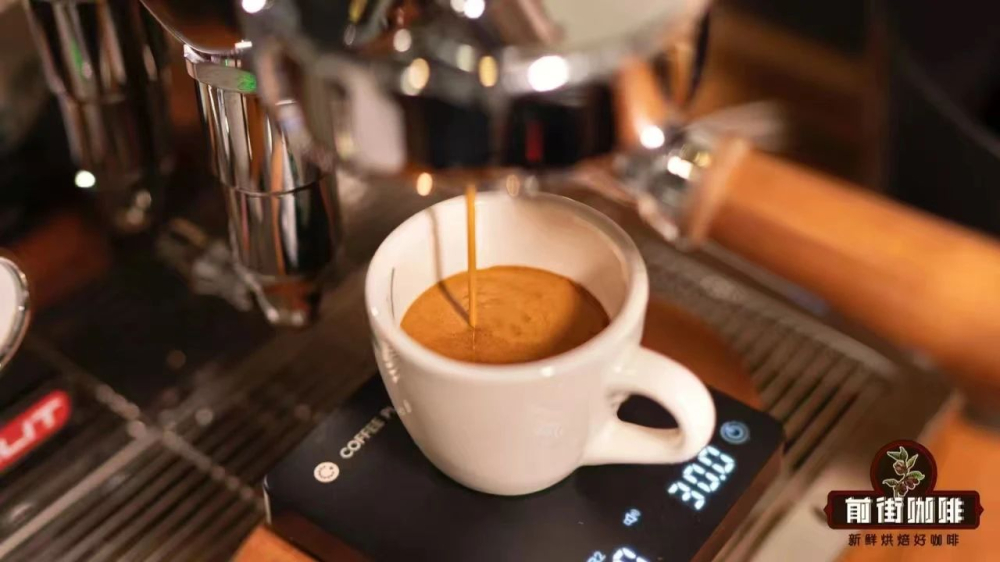
Taking a standard double shot as an example, it is recommended to use about20 grams of coffee grounds, extracted under9 bars of pressure, yielding40 grams of espresso, with the entire process lasting between25 to 30 seconds. Of course, these parameters may vary depending on the espresso machine model, grinder fineness settings, as well as the roast level and origin characteristics of the beans. Adjustments should be made based on actual flavor feedback.
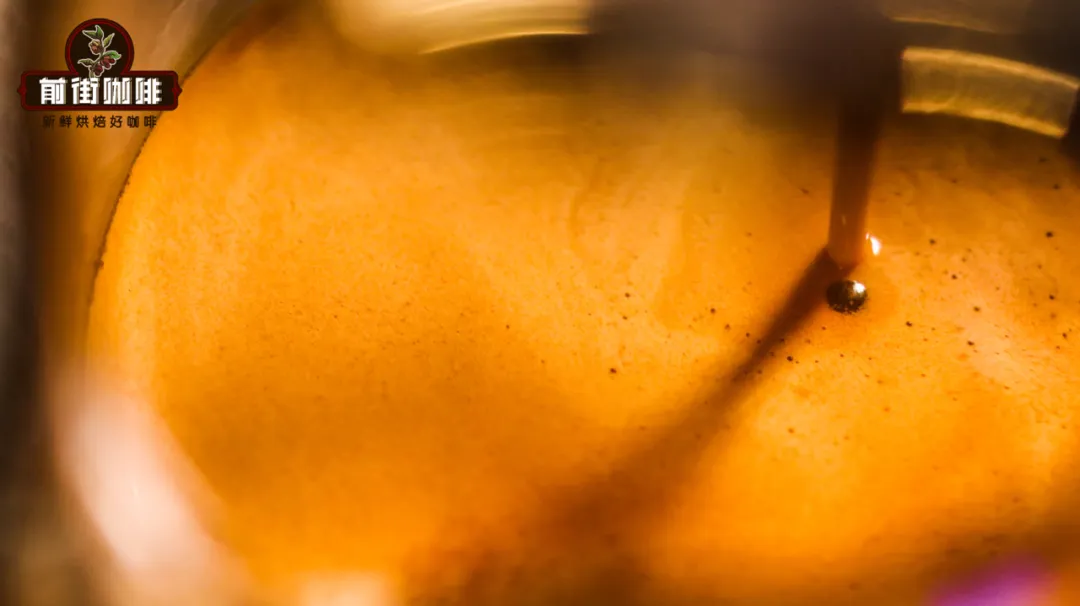
An ideal shot of espresso should have a rich and intact layer ofgolden cremaon top. This crema is not only a symbol of successful extraction but also an important source of flavor. A good espresso should feel smooth without any graininess, with a rich yet layered flavor, moderate acidity, and a distinct sweetness in the aftertaste, leaving a clean and sweet finish.
Coffee Bean Selection Suggestions for Espresso and Americano
When selecting coffee beans, it’s recommended to prioritize blends specifically designed for espresso extraction. These blends typically combine beans from different regions—such as Brazil and Colombia—to bring out a rich chocolatey tone, nutty aromas in the mid-palate, and a long-lasting sweet finish in espresso. They are suitable for making espresso and can also serve as the base for Americano.
If you’re more sensitive to bitterness in coffee, you might opt for a medium-roast blend, such as a mix of Costa Rican honey-processed beans and Ethiopian beans, with a small amount of Colombian beans. Such blends reduce the intensity while offering a soft, fruity acidity reminiscent of strawberry taffy, making them ideal for Americanos or milk-based drinks like lattes.
Practical Steps for Making Espresso
Although it may seem complex, the process of making espresso is actually quite systematic. Below is the standard operating procedure commonly followed in cafés:
Step 1: Ensure the portafilter basket is dry and free of residual moisture; you may lightly wipe it clean.
Step 2: Use an electronic scale to accurately weigh20 grams of coffee grounds, aiming for a weighing error within ±0.1 gram.
Step 3: Distribute the grounds evenly to ensure consistent distribution in the basket.
Step 4: Use a tamper or your fingers to press the coffee grounds with even and stable pressure.
Step 5: Securely attach the portafilter to the group head.
Step 6: Start the espresso machine and observe the extraction time and flow rate.
Step 7: After extraction, remove the portafilter and immediately clean the group head to prevent coffee residue buildup.
Recommended basic extraction parameters are:20 grams of coffee, 40 grams of espresso, 30 seconds. While the resulting espresso is rich, it is recommended to enjoy it combined with milk, hot water, or iced water for a more diverse flavor experience.
Ratios for Iced and Hot Americanos
In cafés, Americanos are often made using espresso as a base and mixed with liquids at different temperatures. A common method for iced Americano is: first add100 grams of ice, then pour in120 grams of cold water, and finally add a shot of espresso. This simple and quick method is perfect for summer.
As for hot Americanos, simply replace the cold water with160 to 200 grams of hot water, then pour in the espresso. This hot version retains the aroma of the espresso while reducing its overall intensity, making it ideal for those who prefer a warmer coffee experience.
The above content is compiled by CoffeeHunters, a coffee news website.


