







Introduction:Yunnan coffee has evolved from having sharply polarized reputations in its early days to gradually gaining attention in the specialty coffee market. This shift reflects advancements in variety cultivation and regional processing techniques. This article delves into the transition from Typica to Catimor plantings, explores the flavor profile of Yunnan’s small-grain coffee, and explains how washed processing highlights its terroir characteristics. Whether you’re trying Yunnan beans for the first time or want to understand the potential and challenges of the Catimor variety, this guide offers practical insights.
In recent years, Yunnan coffee has frequently become a hot topic in the industry. Some praise its pronounced sweetness and pleasant fruity notes, while others criticize its earthy or woody off-flavors. These seemingly contradictory evaluations actually stem from Yunnan coffee’s over-century-long evolutionary journey and the gradual shift from early Typica to Catimor varieties. This article will start with historical context, analyze the varietal traits and flavor profiles of Yunnan’s small-grain coffee, and use real-world examples of washed processing to introduce the unique charm of this producing region.
Many coffee enthusiasts often wonder when tasting Yunnan-grown beans: “Why do some people say Yunnan coffee tastes great, while others find it hard to enjoy?” This polarized reception is closely tied to the development trajectory of Yunnan coffee. With China’s rapidly expanding coffee consumption market, Yunnan—being the only region in the country that steadily produces Arabica beans—has naturally drawn significant attention. Some share their experiences with complex, anaerobically processed Yunnan beans, while others recall earlier encounters with earthy, off-putting flavors. To understand these differences, we must start with the evolution of Yunnan coffee varieties.
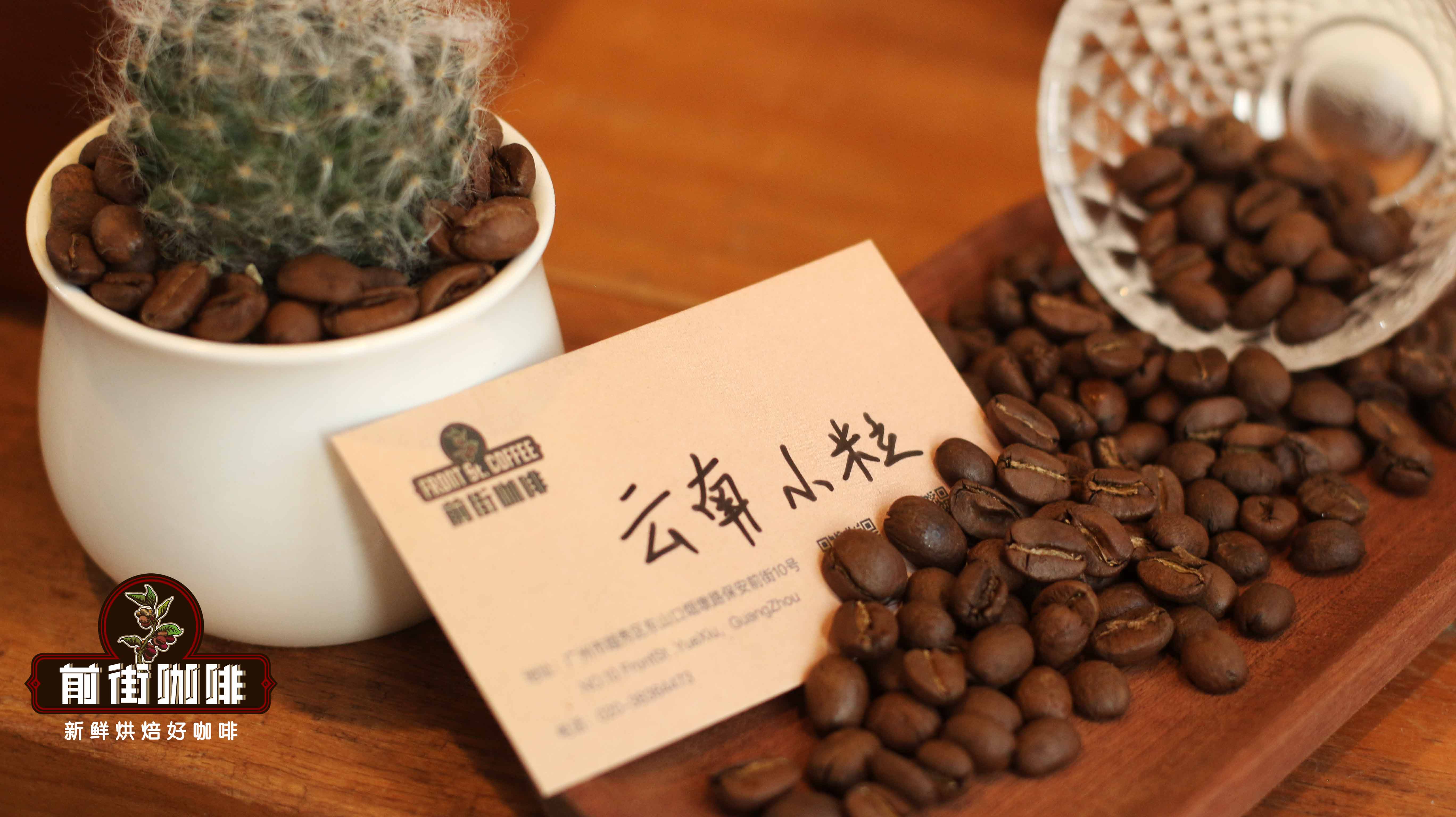
The so-called “Yunnan small-grain coffee” actually refers to Arabica. In China, Robusta also has a certain cultivation area and is commonly referred to as medium bean or Luodou, but its flavor is generally less refined than Arabica. As early as 1904, a French missionary planted the first Typica coffee trees in Yunnan’s Zhucula Village, marking the earliest recorded instance of coffee cultivation in the region. By the 1930s, overseas Chinese Liang Jinshan actively promoted Typica, which was further expanded in the 1950s and 1960s. Typica delivers excellent flavor performance and is considered a classic specialty coffee variety, but it has low yields and is highly susceptible to rust disease, requiring high cultivation management standards. When market conditions were unfavorable, farmers’ incomes were limited, reducing their willingness to grow it—so much so that in many areas, coffee trees were left to grow wild.
A turning point for Yunnan’s coffee industry came with the involvement of the international brand Nestlé. In 1988, to expand its market in China and support local coffee cultivation, Nestlé introduced the Catimor 7963 variety from Portugal’s CIFC (Coffee Rust Research Centre) and trialed it in Hainan, Baoshan’s Longjiang Dam, and Ruili. Later, in 1991, Nestlé imported the Catimor P1 to P4 series from the same research center. Among these, P4 stood out for its yield performance and was widely promoted in Pu’er starting in 1994. Experts later confirmed that P1 to P4 corresponded respectively to 7960 to 7963. Additionally, T5175 and T8667 were strains introduced by Nestlé from Central America in 1994, but they had lower yields than 7963 and were only trialed in small quantities in Pu’er.
Thanks to Nestlé’s push, up to 99% of Yunnan’s coffee is now of the Catimor variety, commonly referred to as “Yunnan small-grain.” It’s worth noting that these beans were initially mainly supplied to Nestlé as raw material for instant coffee, where flavor complexity was not a primary concern. For this reason, Catimor is often regarded as lacking in flavor performance, with some batches even exhibiting woody or earthy off-notes. The root cause lies in the fact that although Catimor is classified as Arabica, it has four sets of chromosomes and contains about one-quarter Robusta genetics. This gives Catimor advantages in yield, disease resistance, and environmental adaptability, but at the expense of refined flavor, leading it to be primarily used as commercial-grade beans or blending bases for a long time.
In recent years, with rising domestic demand for specialty coffee, more people have begun to ask: “Can Yunnan also produce high-quality specialty beans?” The industry is currently improving flavor through two main approaches: one is using post-harvest techniques such as anaerobic fermentation and enzymatic treatment to mask undesirable off-flavors; the other is addressing the issue at the agricultural root by reverting to traditional premium varieties like Typica, Bourbon, or Geisha. However, these varieties still have small-scale plantings in Yunnan and are mostly in experimental stages. They are unlikely to overturn Catimor’s dominance anytime soon or instantly change the existing perception of Yunnan coffee. It must be recognized that varietal improvement in agriculture often takes at least three to five years—or even longer—and consistently producing high-flavor beans still requires time and accumulation.
A coffee brand that has long followed developments in the Yunnan producing region believes that every origin’s beans carry unique terroir-driven flavor personalities. At the current stage where Catimor still dominates, selecting items that represent Yunnan’s characteristics is especially important. In the brand’s “Everyday Bean Series,” it offers washed Catimor sourced from Baoshan. As a region with a long history of coffee cultivation in Yunnan, Baoshan has relatively mature growing and processing techniques, and washed processing better highlights the intrinsic flavors of the origin beans while minimizing impurity interference.
[Brand Name] Everyday Bean Series – Yunnan Small-Grain Coffee Beans
Origin: Baoshan, Yunnan, China
Elevation: 1200 meters
Processing Method: Washed
Variety: Catimor
In addition to single-origin beans suitable for pour over, the brand also offers an espresso blend combining Yunnan small-grain and Brazilian Red Bourbon, roasted to a medium-dark level to create the “Dark Cocoa Base Blend” for use in espresso machines and moka pots. This blend features nutty, chocolatey, and creamy notes with balanced crema and a smooth mouthfeel, making it ideal for various specialty coffee drinks.
To fully experience the flavor potential of Yunnan washed Catimor, it is recommended to use freshly roasted beans for pour over. Freshness greatly impacts coffee performance, and the brand ships all its coffee beans within five days of roasting to ensure customers receive them at peak flavor. Generally, coffee beans have an optimal resting period of about four to seven days, during which flavors are most balanced. A Hario V60 dripper is recommended, with water temperature controlled at 90°C, 15 grams of coffee, a 1:15 coffee-to-water ratio, and a grind size of 75% passing through a No. 20 Chinese standard sieve. The specific steps are as follows: start with a 30-second bloom using 30 grams of water, then slowly pour in a thin stream in circular motions from the center until the total water reaches 125 grams. When the water level is about to expose the coffee bed, continue pouring in circles until 225 grams are reached, with a total extraction time of about two minutes.
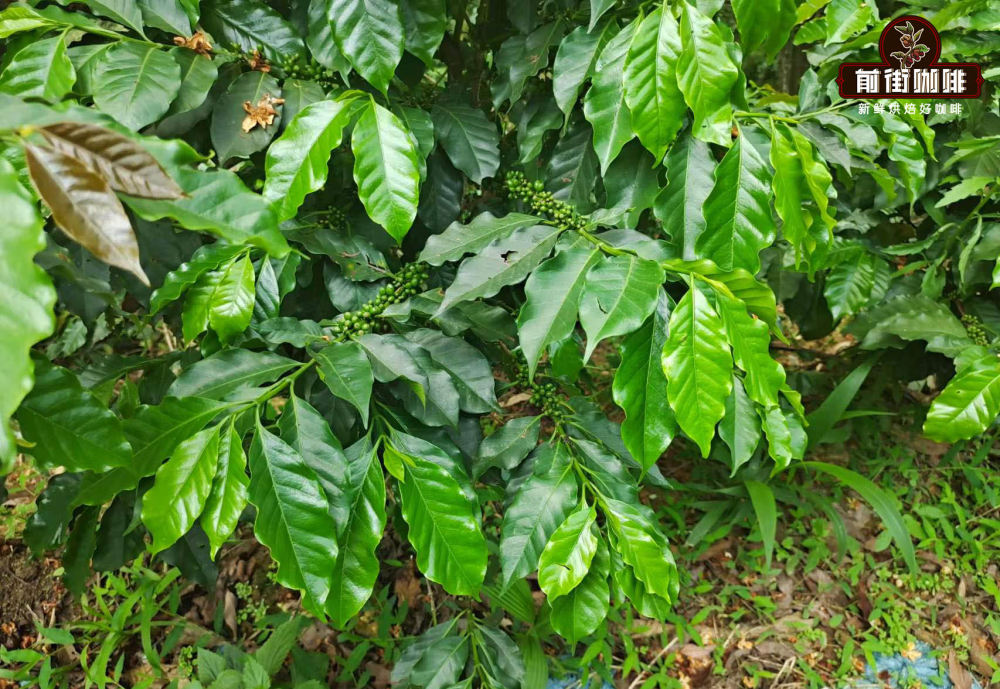
This Yunnan washed Catimor has a clear flavor profile, often showcasing notes of melon-like sweetness, red fruit aromas, a brown sugar finish, bright plum acidity, and a tea-like richness reminiscent of black tea. The overall profile is balanced and layered, making it an essential entry-level choice for getting to know Yunnan small-grain coffee.
The above content is compiled by CoffeeHunters, a coffee news website.


