








Introduction:To brew an excellent shot of espresso at home or in a café, selecting the right coffee beans and mastering the extraction parameters are key. This article delves into four major aspects of choosing espresso beans—from roast level to the differences between blends and SOEs (single origin espressos)—and explains the characteristics of four classic blend recipes. It also explores twelve core factors that affect extraction, including dose, brew ratio, time, flow rate, pressure, and temperature. This comprehensive guide will help you master the essence of espresso from bean selection to brewing.
Espresso is renowned for its intense flavor and rich crema. It is made by forcing hot water at approximately 92°C through finely ground coffee under 9 bar of pressure, extracting its layered, bold flavors. However, many coffee enthusiasts often feel overwhelmed when faced with a wide variety of beans. This article will guide you step-by-step from bean selection logic to practical extraction parameters, helping you unlock the secrets to crafting the perfect espresso.

I. How to Choose Espresso Beans? Four Key Directions Explained
The first consideration when selecting beans suitable for espresso is the roast level. Generally speaking,Light roast beans retain more acidic compounds and have less crema,which can result in sharp acidity and a thin body when brewed with an espresso machine—thus, they are not recommended as the first choice for espresso. In contrast, medium-dark to dark roast beans better showcase the bold, rich characteristics needed for pressure extraction.
Next, it’s important to understand the difference between SOEs (single origin espressos) and blends. SOEs use beans from a single origin, often offering more distinct and recognizable flavors. However, certain undesirable notes may also be highlighted depending on the origin’s characteristics, which requires higher precision in bean selection and roasting. Choosing a single origin bean with strong flavors can highlight its unique regional traits, but if the flavors lack cohesion, flaws may be magnified.
On the other hand, blends are crafted by combining beans from multiple origins in specific proportions, aiming tobalance flavors and ensure consistency.Blends can mitigate flavor fluctuations caused by climate or harvest variations in a single origin, and can also be tailored to achieve desired profiles such as boldness, creaminess, fruitiness, or other specific directions. They are a practical choice for many cafés and home users.
II. Introduction to Four Classic Espresso Blend Recipes
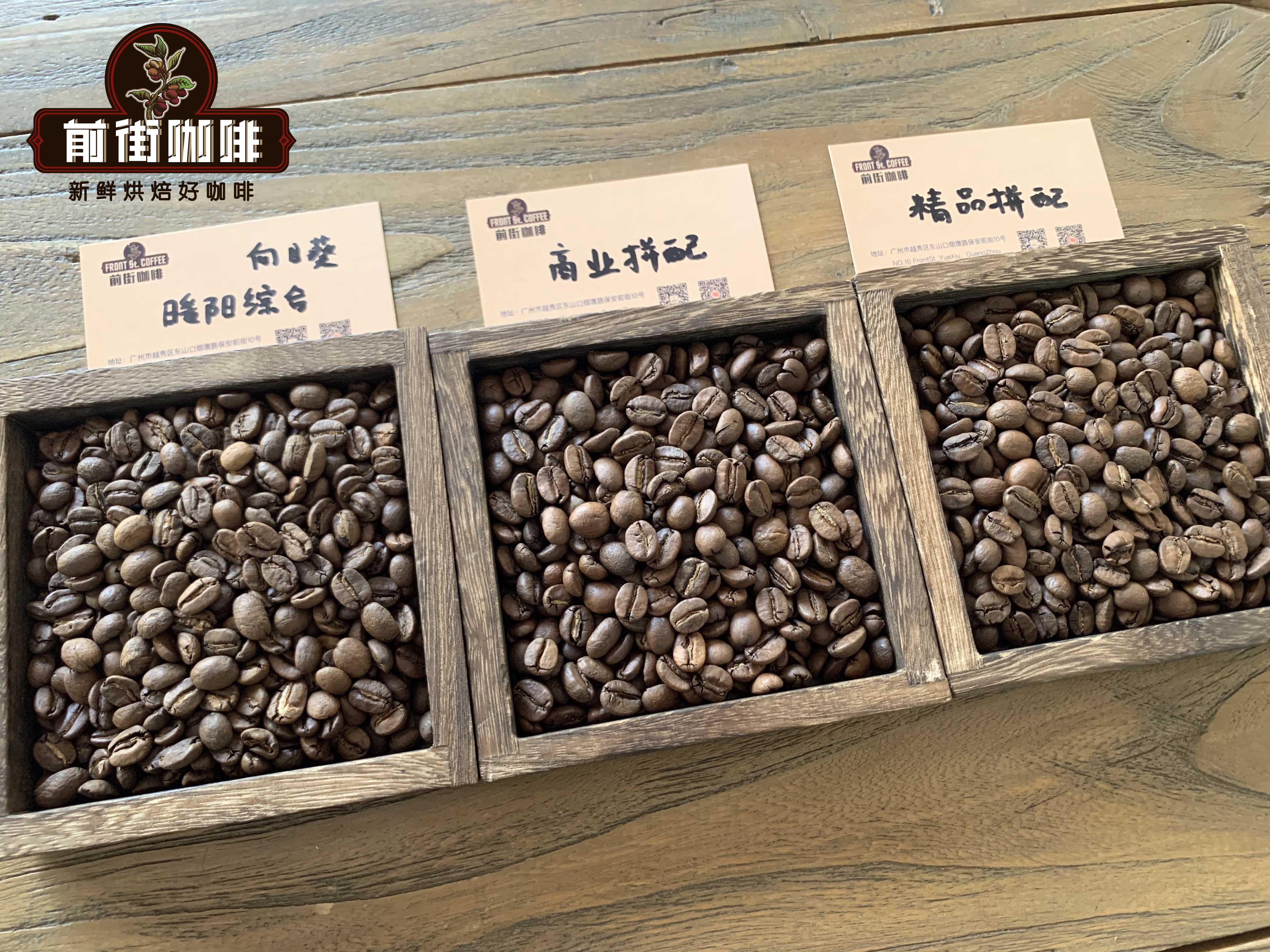
Below are four common espresso blend styles and recipes, suitable for different user needs:
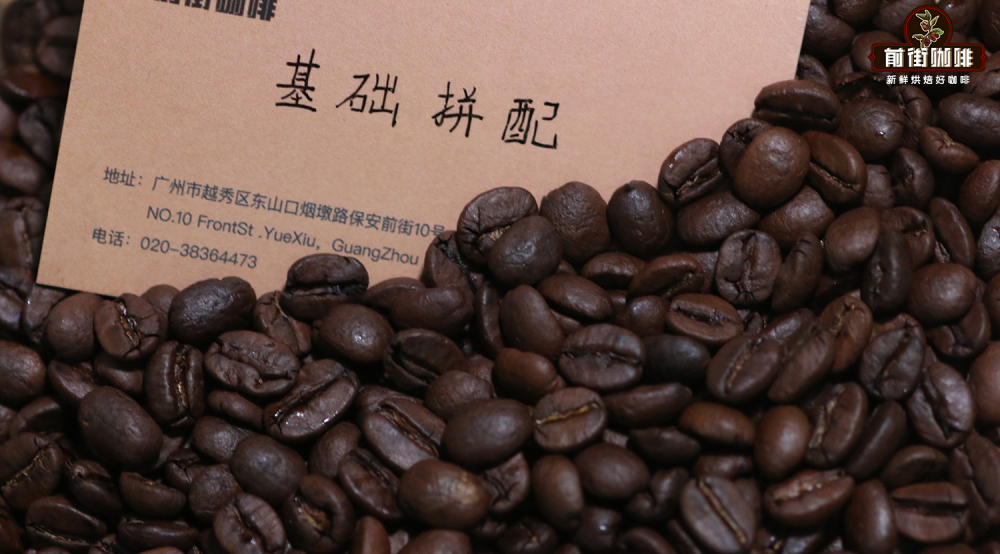
1. Budget-Friendly Option: Basic Blend (70% Brazil + 30% Yunnan)
Focused on high cost-performance, this blend uses 100% Arabica beans, delivering classic nutty and creamy aromas, with a long finish of dark chocolate. It’s suitable for everyday drinking or for users on a budget, and works well both at home and in cafés.
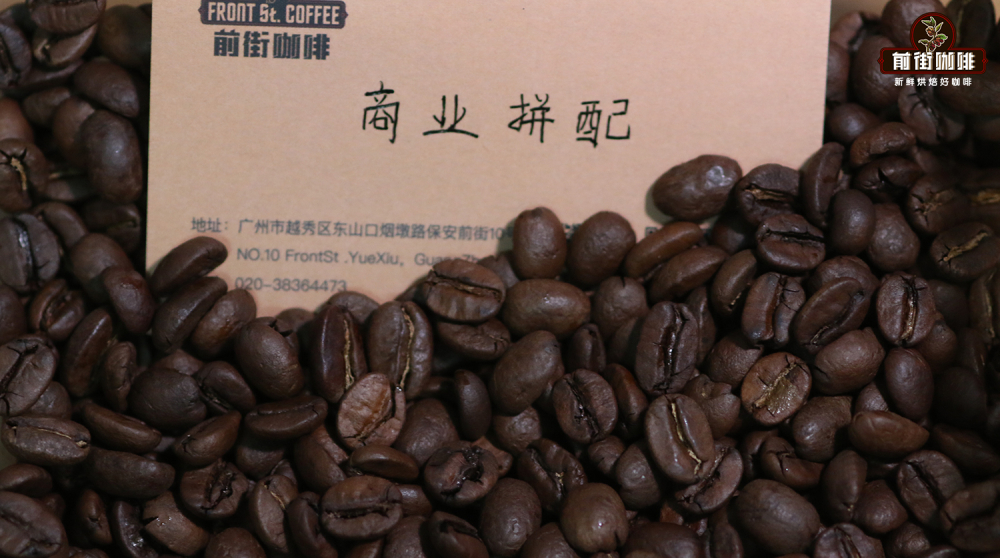
2. Rich Crema Option: Commercial Blend (30% Colombia, 60% Brazil, 10% Robusta)
Combining Colombia’s nutty-chocolate notes, Brazil’s mild bitterness, and Robusta’s rich crema, this blend offers a bold, solid flavor with noticeable bitterness but balanced taste. It’s a top choice for coffee lovers and cafés seeking a strong, intense profile.
3. Classic Premium Option: Specialty Blend (70% Brazil + 30% Colombia)
Centered around stability and classic flavor, this blend provides rich nuttiness and delicate acidity, with smooth and refined crema. It’s ideal for users who value flavor complexity and quality, and serves as a reliable daily option for cafés.
4. Unique Flavor Option: Sunflower Warmth Blend (70% Honduras Sherry + 30% Yirgacheffe Red Cherry)
Based on Honduras Sherry beans with pronounced fermented winey notes, paired with the vibrant acidity of Yirgacheffe Red Cherry, this blend delivers a unique warm, sunny character and rich layers. It’s perfect for those who enjoy special flavors and fruity profiles.

III. Twelve Key Factors Affecting Espresso Extraction
Once you’ve selected your beans, the next step is using the correct extraction parameters to fully realize their potential. Below are twelve important variables that influence espresso extraction, covering everything from basics to advanced techniques.
1. Coffee Dose
The dose should be adjusted based on the portafilter basket capacity. Common double baskets hold 16g–22g, with a recommended fill range within ±1g—for example, a 18g basket is best used with 17–19g. Too little coffee leads to a loose puck and fast flow, causing under-extraction; too much compresses the puck too densely, restricting water flow and affecting extraction evenness.
2. Brew Ratio
Usually expressed as the ratio of coffee grounds to extracted liquid weight, a common ratio is 1:2 (e.g., 20g of coffee yields 40g of liquid). A higher ratio (e.g., 1:3) results in weak, watery coffee, while a lower one (e.g., 1:1.5) can be overly intense and prone to over-extraction. The right ratio balances strength and flavor layers.
3. Extraction Time
A general recommendation is 20–30 seconds. Too long leads to over-extraction; too short may result in under-extraction. The ideal time depends on grind size and brew ratio.
4. Flow Rate
Ideal extraction should produce the first drop around the 5-second mark, followed by a steady, even flow. If the flow is too slow, the grind might be too fine or the tamp too firm; if too fast, the grind may be too coarse or channeling is occurring.
5. Extraction Pressure
Most semi-automatic espresso machines operate at a standard pressure of 9 bar. Pressure that is too high or too low affects extraction efficiency and flavor expression. Some machines support variable pressure brewing, allowing further refinement of flavor profiles.
6. Extraction Temperature
The recommended water temperature range is 90–94°C. Too high can extract excessive bitter compounds, while too low may lead to under-extraction, resulting in thin, sour flavors.
Other advanced variables include:
7. Grind Size
Adjust according to portafilter type, pressure, and desired flavor. Espresso typically requires an extremely fine grind, but avoid going too fine and causing clogging.
8. Tamping Pressure
It’s generally advised to tamp with 30–40 pounds (approximately 13–18 kilograms) to ensure a compact and even puck, aiding stable extraction.
9. Puck Evenness
Distribute and tamp the coffee as evenly as possible to avoid channeling, which impacts water flow and extraction consistency.
10. Pre-Infusion
Some advanced machines offer pre-infusion features, which help uniformly wet the coffee grounds and enhance stability and flavor in subsequent extraction.
11. Water Quality
Use filtered or soft water to avoid impurities or excessively high mineral content, which can affect extraction and machine lifespan.
12. Coffee Bean Freshness
It’s recommended to use beans roasted within 7–21 days. Stale or improperly stored beans can significantly diminish aroma and extraction performance.
In summary, crafting the perfect espresso involves more than just selecting the right beans—it requires precise control over every stage from grinding and tamping to brew ratio, water temperature, and pressure. Only by thoroughly understanding these variables can you tailor your espresso to your personal taste preferences.
The above content is compiled by CoffeeHunters, a coffee news website.


